1701
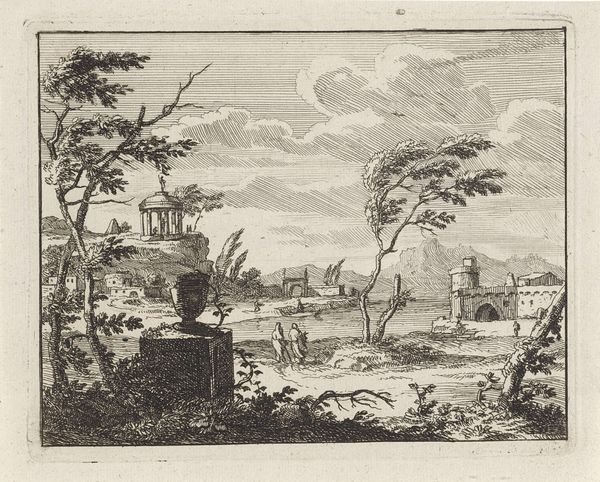
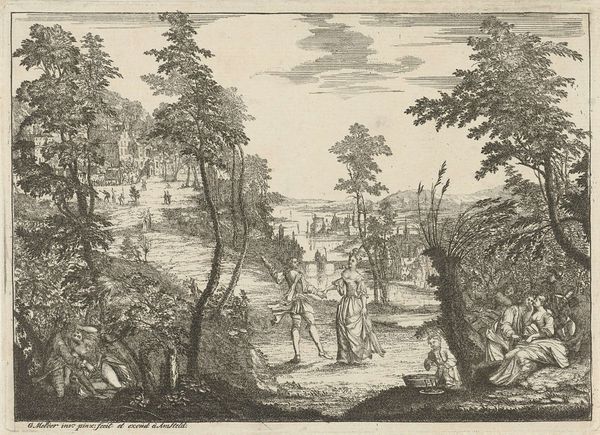
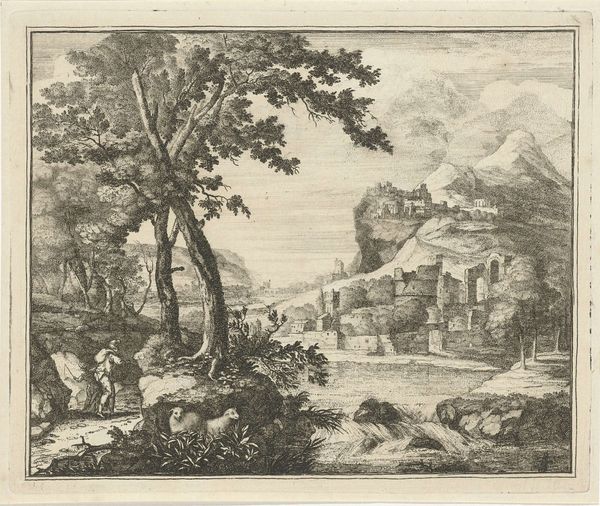
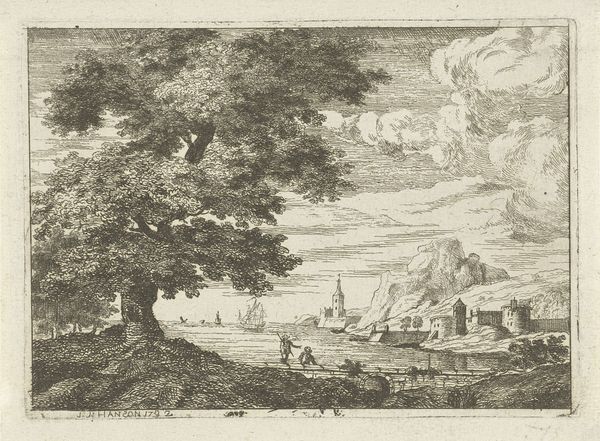
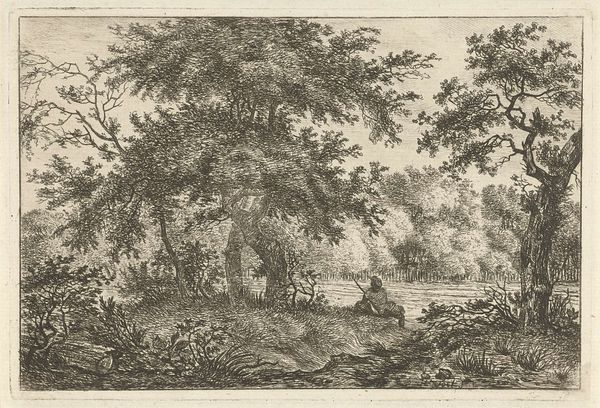
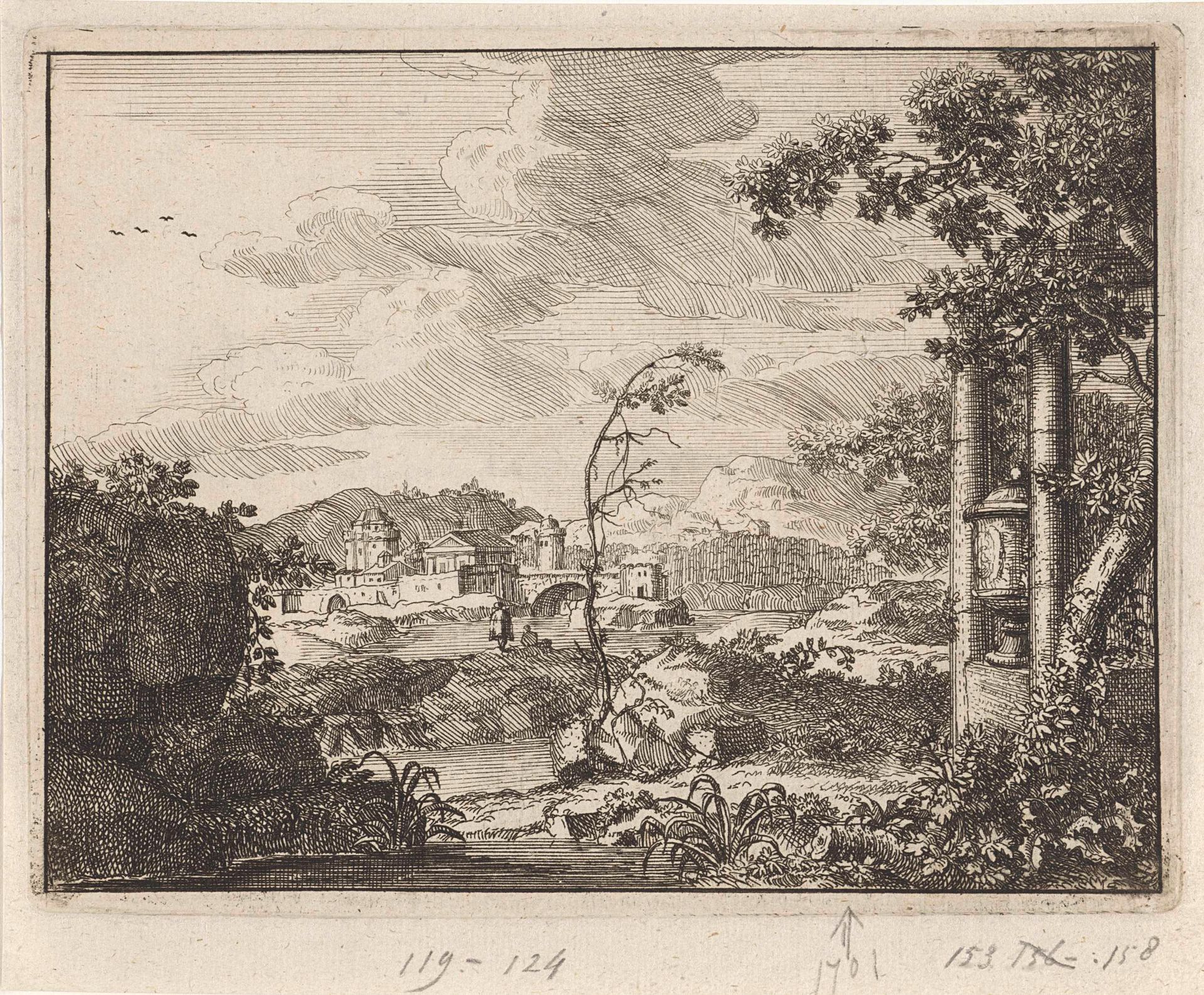
Rivierlandschap met heuvels en een stad

Listen to curator's interpretation
Curatorial notes
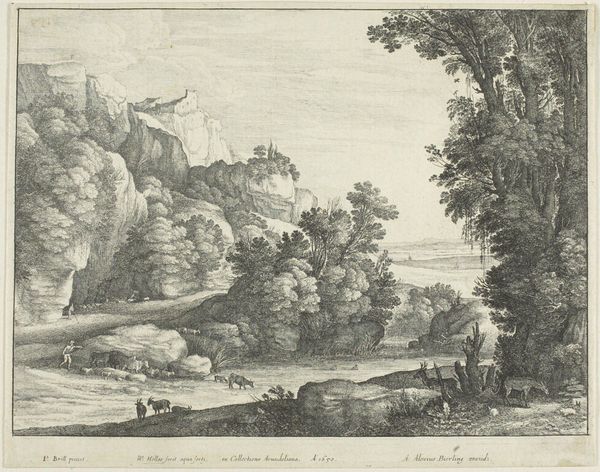
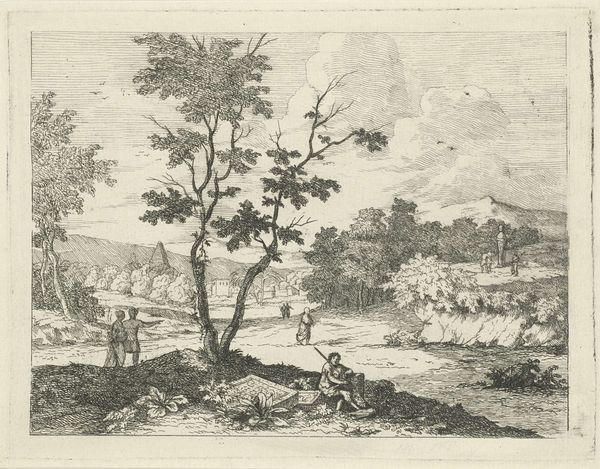
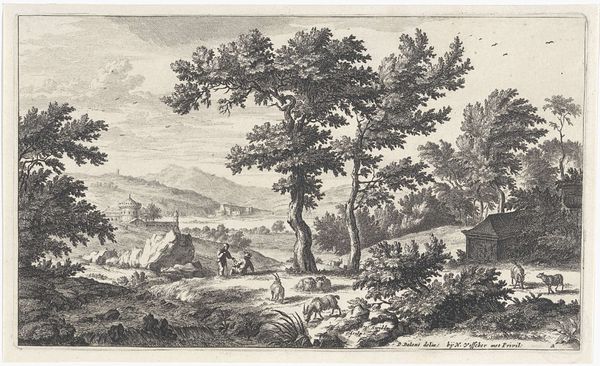
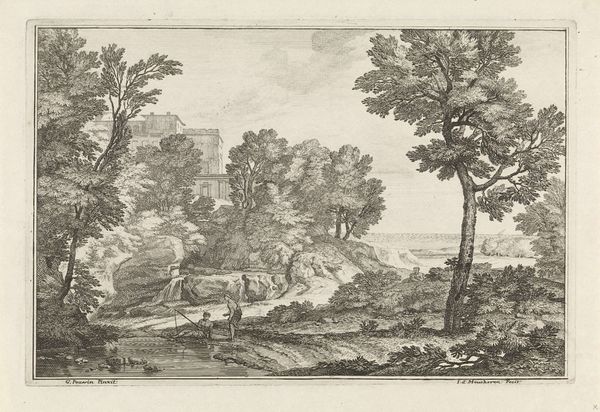
Editor: So, here we have an anonymous engraving from 1701 called "River Landscape with Hills and a City". The detail is incredible for such a small print. What do you make of the overall composition? Curator: I'm struck by how this idealized landscape subtly reinforces hierarchical social structures. Think about the city in the background, almost a fantasy. How accessible was this 'beautiful' scene to the working classes? How does the print romanticize rural life? Editor: That's a really interesting point. I hadn’t considered the socio-economic aspect. Curator: The print presents a particular viewpoint, doesn’t it? Land ownership and its inherent power. Who could afford art like this? Who *controlled* the land represented? Do you see any indication of labour, of the true cost of maintaining this seemingly idyllic space? Editor: Not really, everyone in it is simply there enjoying it. Do you think the lack of identifiable figures or activities obscures those realities? Curator: Exactly. The “anonymous” artist has chosen to highlight nature and architecture while erasing signs of human labor. This absence serves a purpose. How can we analyze this in terms of power structures and who benefited from that vision? Editor: So, the print becomes a statement about control, even if it appears passive. Curator: Precisely. The landscape isn't just scenery, it is a reflection, a carefully constructed visual argument meant to reaffirm social positions. What have we learned, thinking about it that way? Editor: That even seemingly simple landscapes can have complex stories to tell. That makes me think differently about how landscapes today continue these kind of hidden arguments. Thanks!