About this artwork
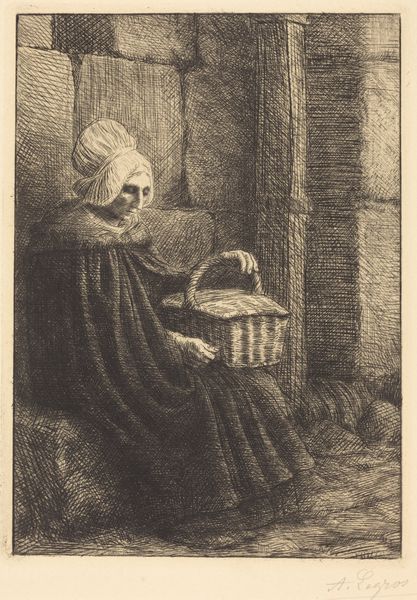
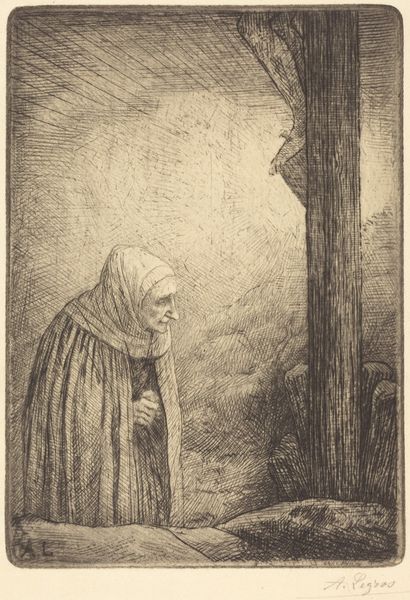
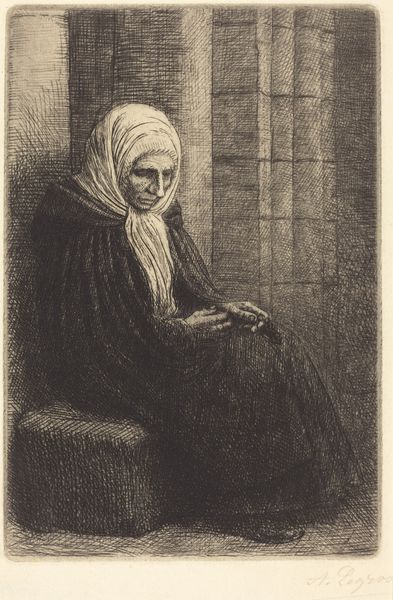
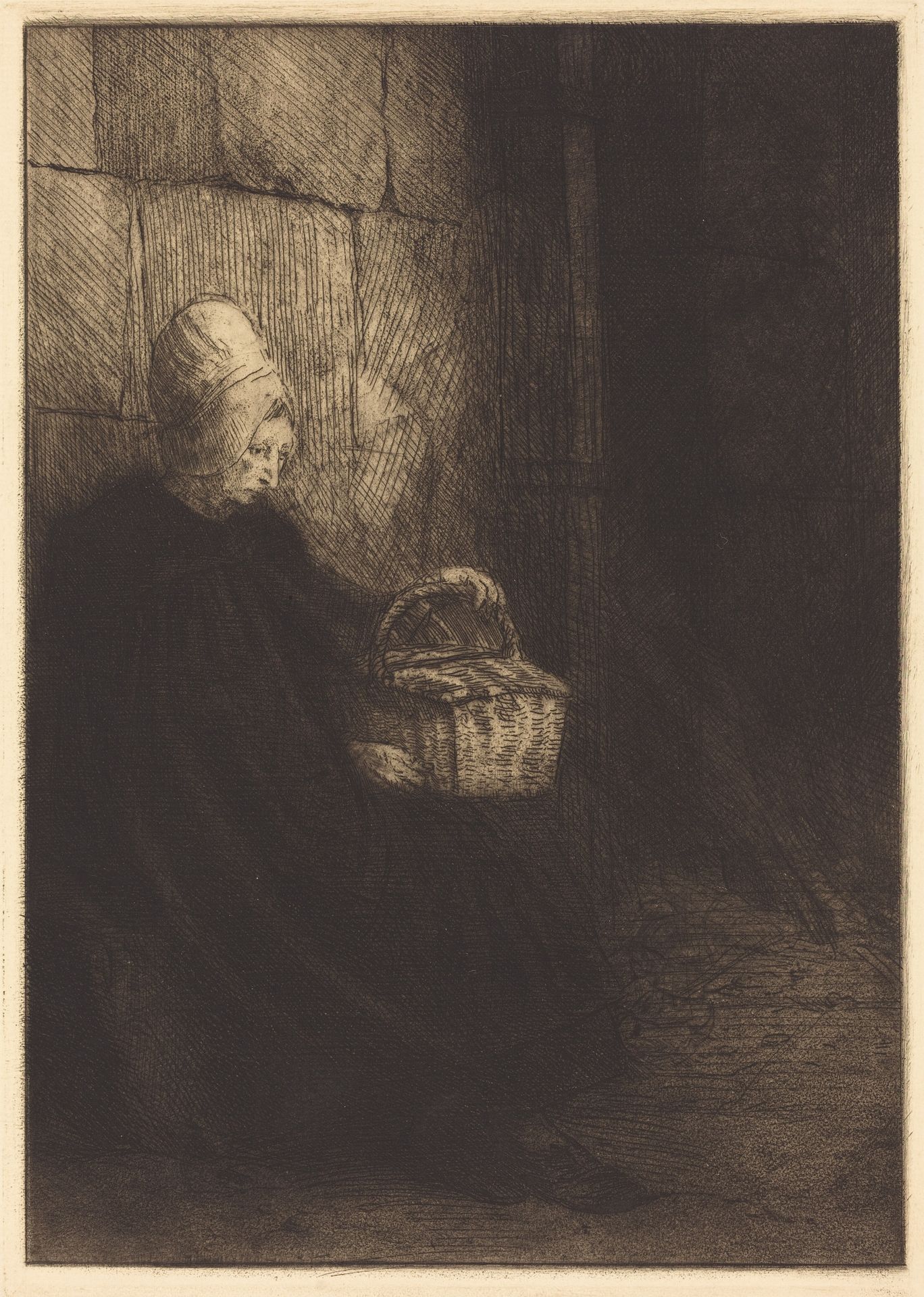
Alphonse Legros created this print of a peasant woman with etching. It presents a figure of rural France, capturing the hardship and dignity of peasant life during the 19th century. The image uses visual codes to evoke the social conditions of its time. The woman's simple clothing and the stark, shadowy environment speak to the economic struggles of the working class. France in the 1800s was a society marked by significant class divisions, with rural populations often facing poverty and limited opportunities. The art institutions of the time, like the Salon, played a role in shaping artistic tastes and often favored more idealized portrayals of French life. Legros challenges this norm by presenting a raw, unromanticized view. The historian can research the socio-economic conditions of rural France during the 19th century. The meaning of art is contingent on its social and institutional context.
Peasant Woman of Boulogne (Paysanne des environs de Boulogne dite La femme au panier)


Artwork details
- Medium
- drawing, print
- Copyright
- National Gallery of Art: CC0 1.0
Tags
Comments
Share your thoughts
About this artwork
Alphonse Legros created this print of a peasant woman with etching. It presents a figure of rural France, capturing the hardship and dignity of peasant life during the 19th century. The image uses visual codes to evoke the social conditions of its time. The woman's simple clothing and the stark, shadowy environment speak to the economic struggles of the working class. France in the 1800s was a society marked by significant class divisions, with rural populations often facing poverty and limited opportunities. The art institutions of the time, like the Salon, played a role in shaping artistic tastes and often favored more idealized portrayals of French life. Legros challenges this norm by presenting a raw, unromanticized view. The historian can research the socio-economic conditions of rural France during the 19th century. The meaning of art is contingent on its social and institutional context.
Comments
Share your thoughts