About this artwork
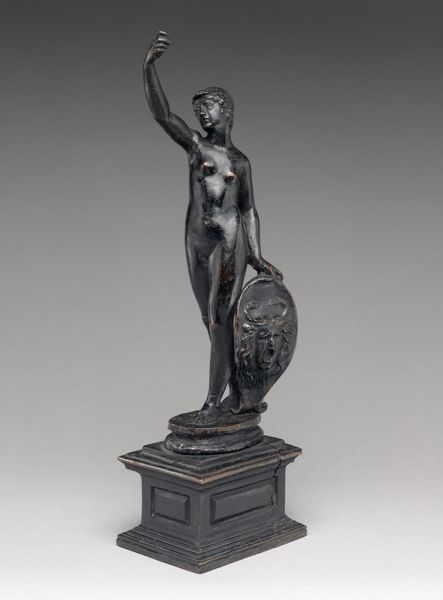
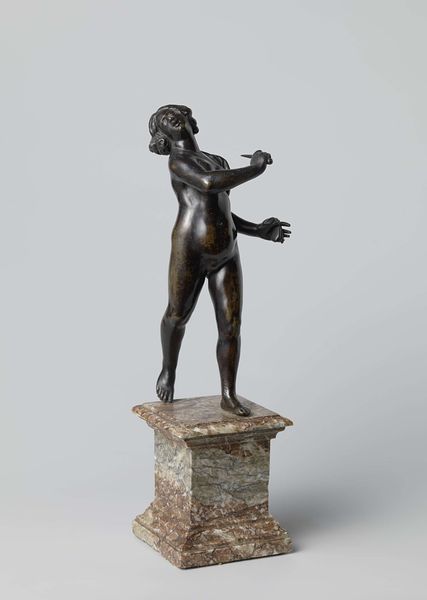
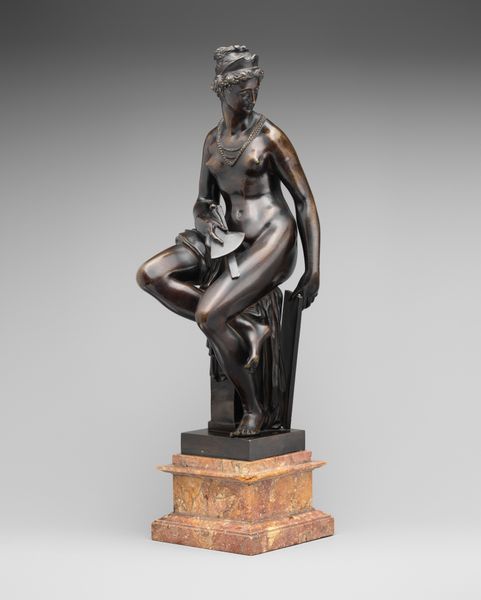
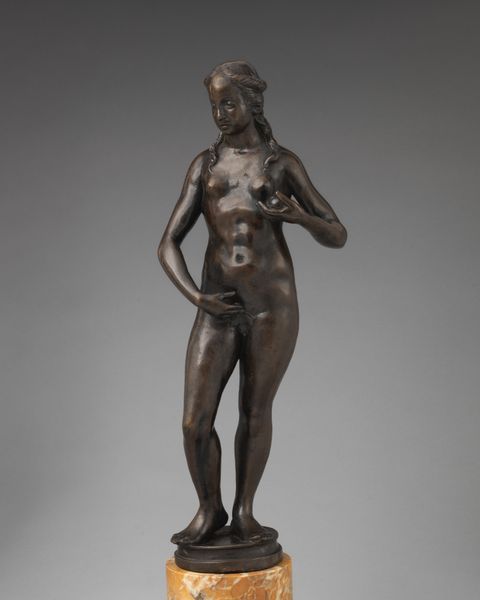
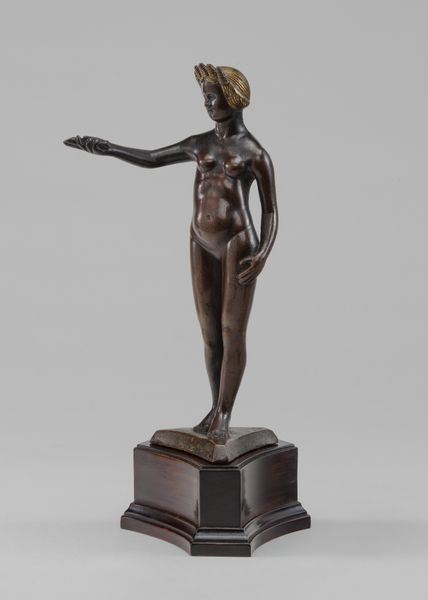
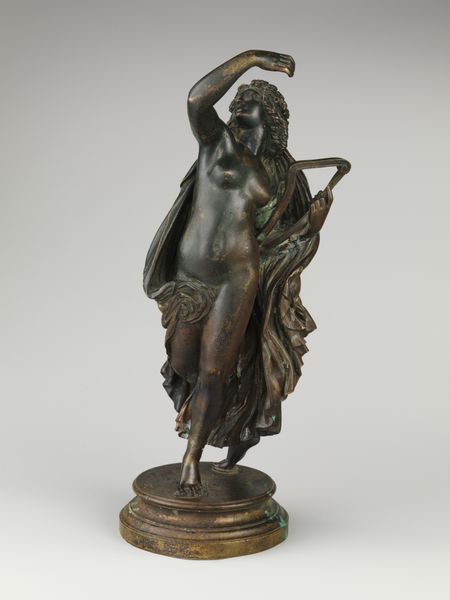
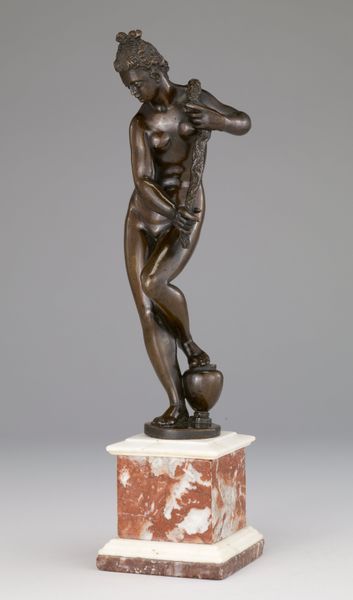
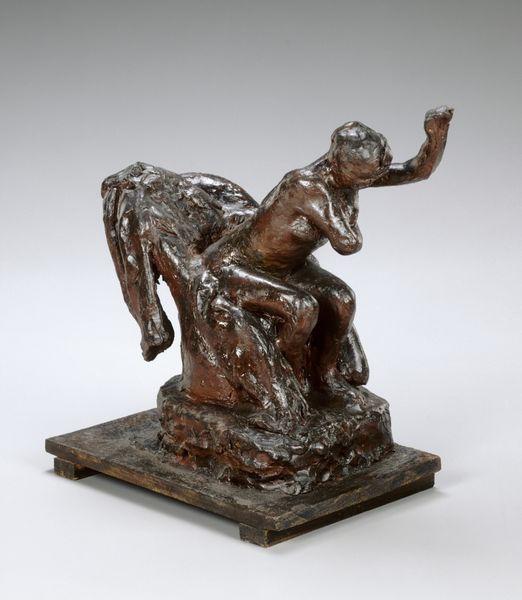
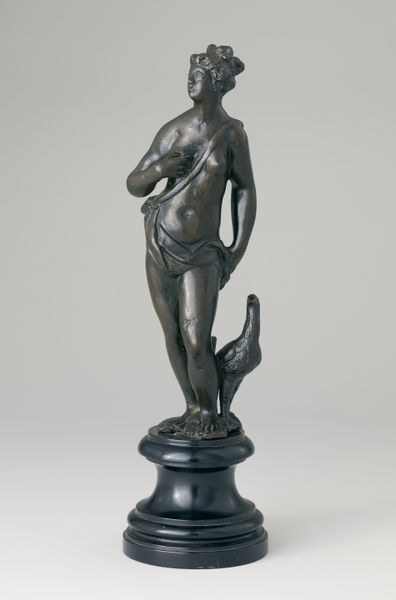
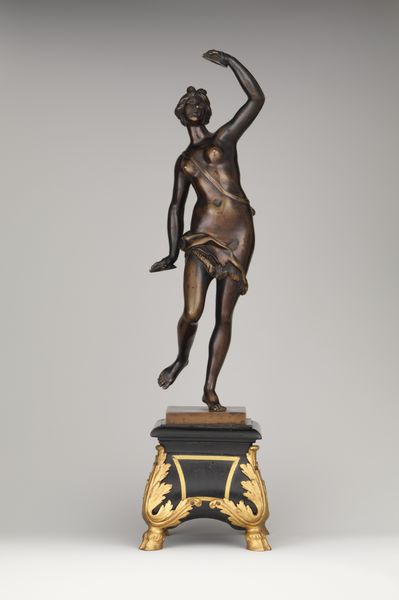
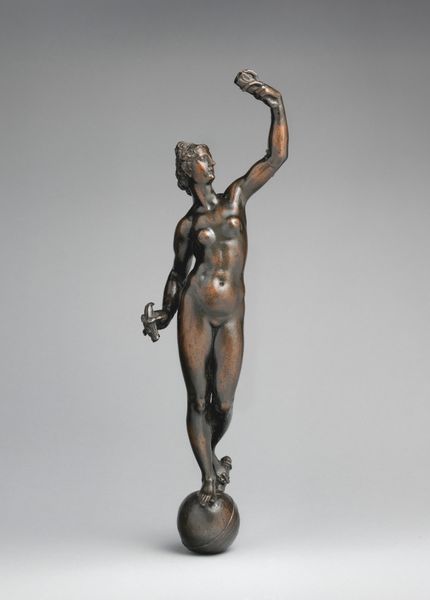
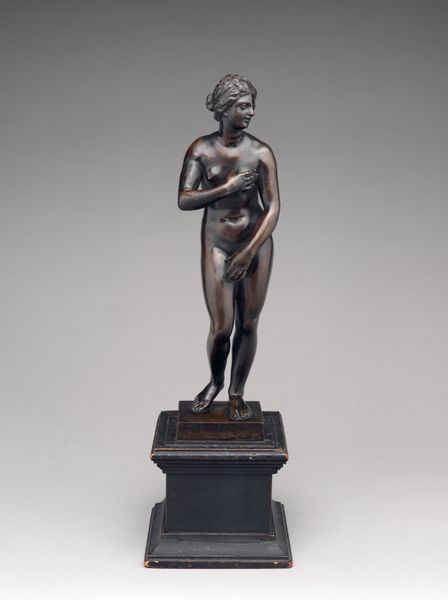
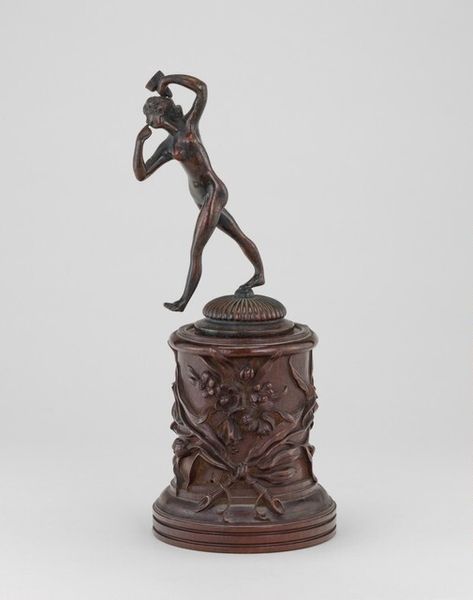
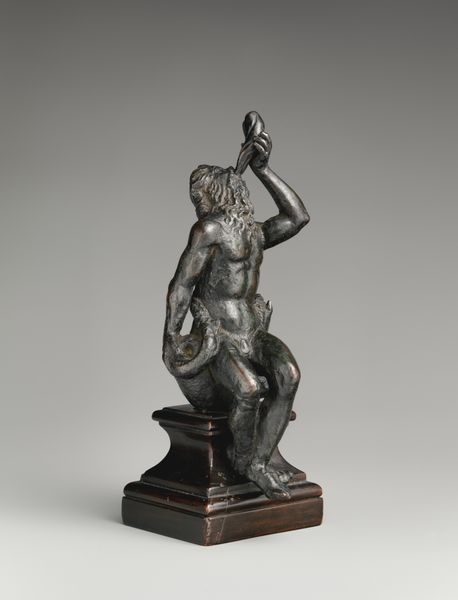
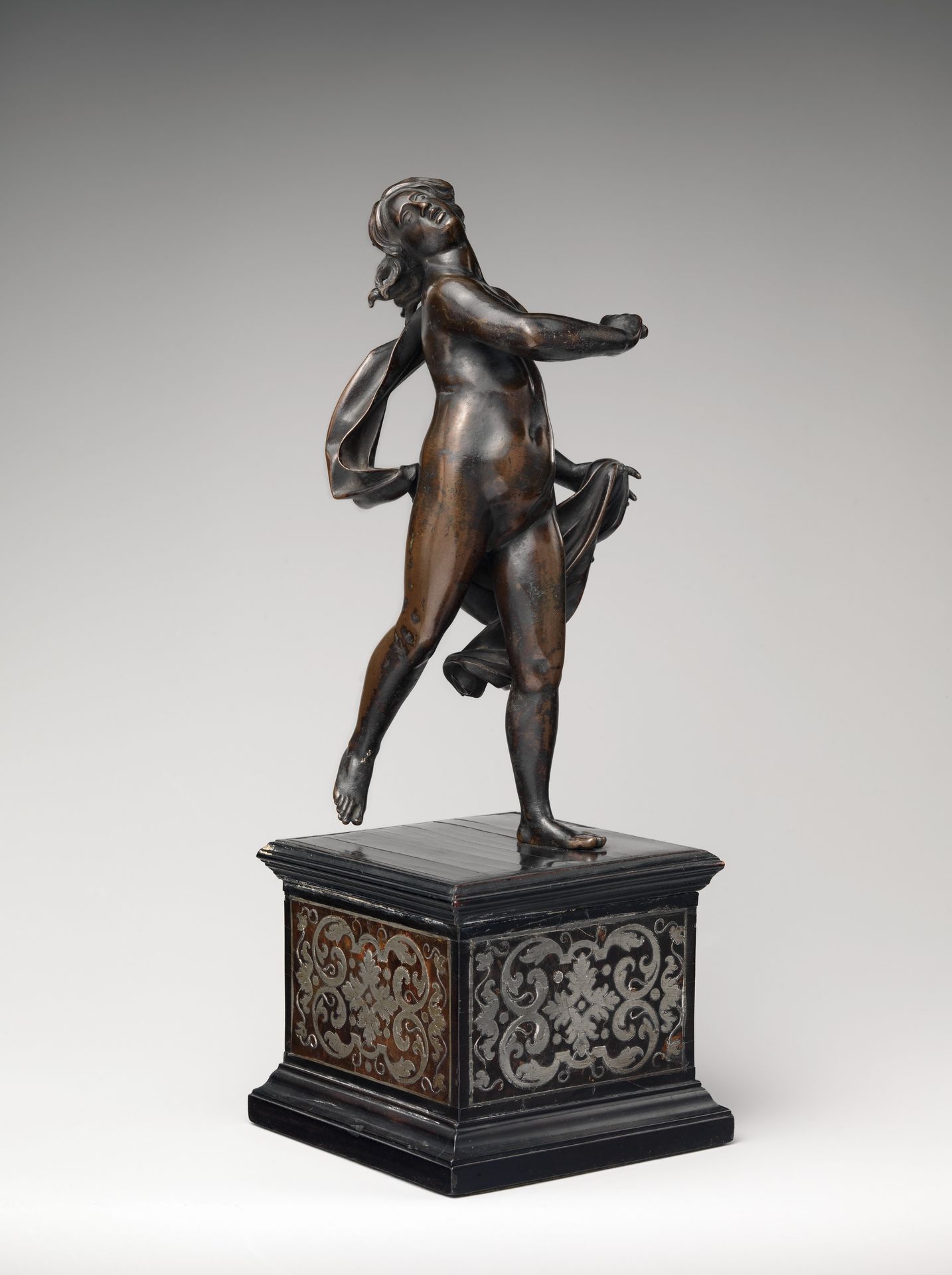
Ferdinando Tacca created this bronze sculpture of Dido, Queen of Carthage in the 17th century. Tacca here captures a pivotal moment from Virgil's Aeneid, a foundational text in Western culture that recounts the story of Aeneas, a Trojan hero who would eventually found Rome. Made in Florence, Italy, this sculpture reflects the city's fascination with classical antiquity and its role as a center of artistic production under the patronage of the Medici family. Bronze sculptures like this one were luxury objects, often commissioned by wealthy patrons to demonstrate their refined taste and social status. Dido’s story would have resonated with the 17th century courtly audiences: the sculpture illustrates the perils of love and the burden of leadership. In understanding this artwork better, scholars consult not only Virgil's Aeneid but also inventories of Medici collections, and other documents that shed light on the artistic and social context in which Tacca worked. By examining these kinds of resources, we can start to understand the complex interplay of art, power, and social identity in early modern Europe.
The suicide of Dido, Queen of Carthage
1675 - 1699


Artwork details
- Medium
- bronze, sculpture
- Dimensions
- Overall with base (confirmed): 13 × 4 3/4 × 4 3/4 in. (33 × 12.1 × 12.1 cm); overall without base (confirmed): 9 1/16 × 4 3/4 × 3 3/4 in. (23 × 12.1 × 9.5 cm)
- Location
- Metropolitan Museum of Art, New York, NY
- Copyright
- Public Domain
Tags
Comments
Share your thoughts
About this artwork
Ferdinando Tacca created this bronze sculpture of Dido, Queen of Carthage in the 17th century. Tacca here captures a pivotal moment from Virgil's Aeneid, a foundational text in Western culture that recounts the story of Aeneas, a Trojan hero who would eventually found Rome. Made in Florence, Italy, this sculpture reflects the city's fascination with classical antiquity and its role as a center of artistic production under the patronage of the Medici family. Bronze sculptures like this one were luxury objects, often commissioned by wealthy patrons to demonstrate their refined taste and social status. Dido’s story would have resonated with the 17th century courtly audiences: the sculpture illustrates the perils of love and the burden of leadership. In understanding this artwork better, scholars consult not only Virgil's Aeneid but also inventories of Medici collections, and other documents that shed light on the artistic and social context in which Tacca worked. By examining these kinds of resources, we can start to understand the complex interplay of art, power, and social identity in early modern Europe.
Comments
Share your thoughts