About this artwork
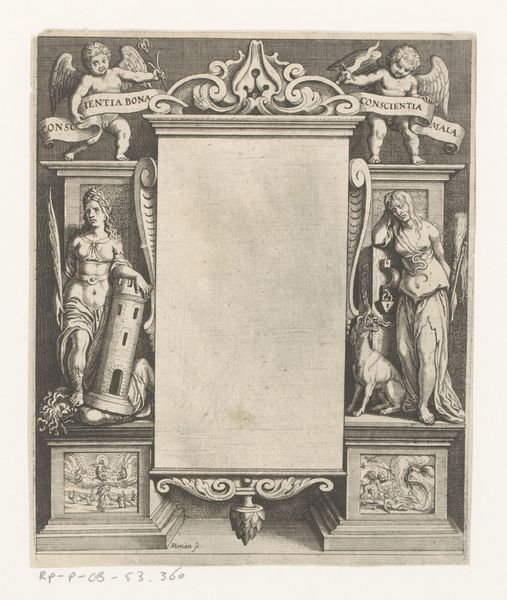
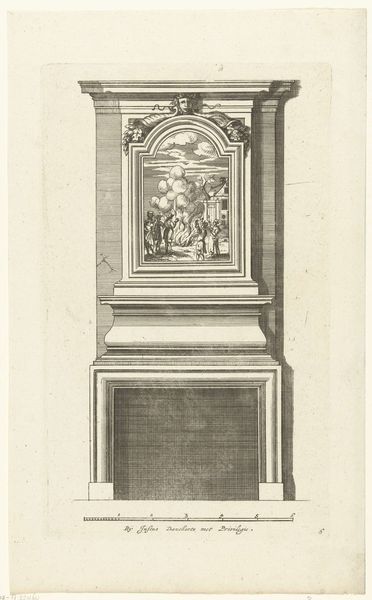
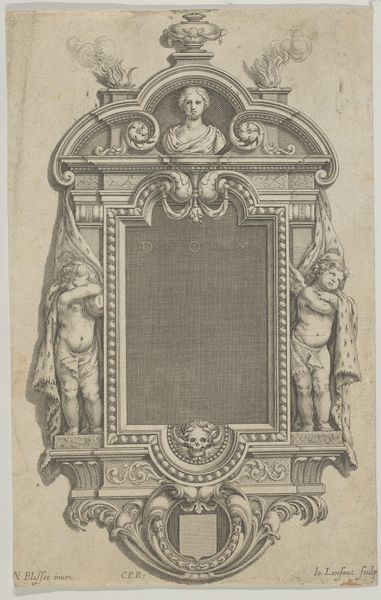
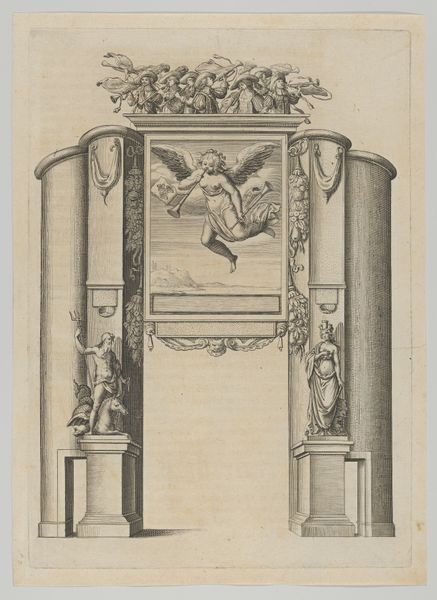
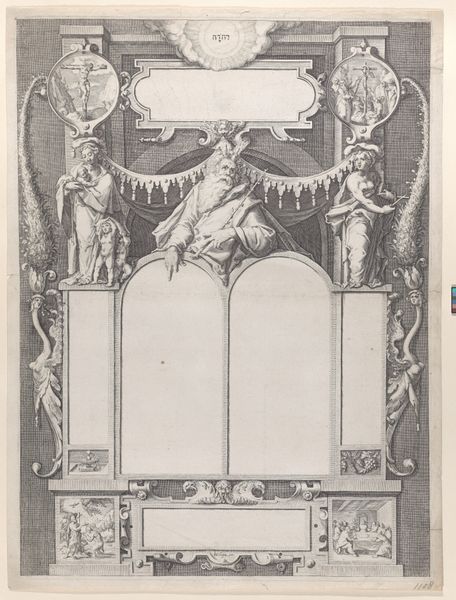
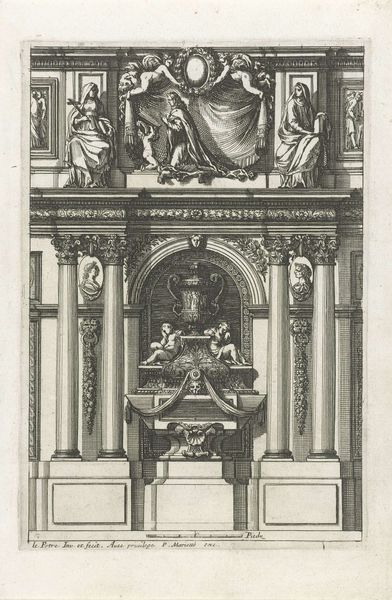
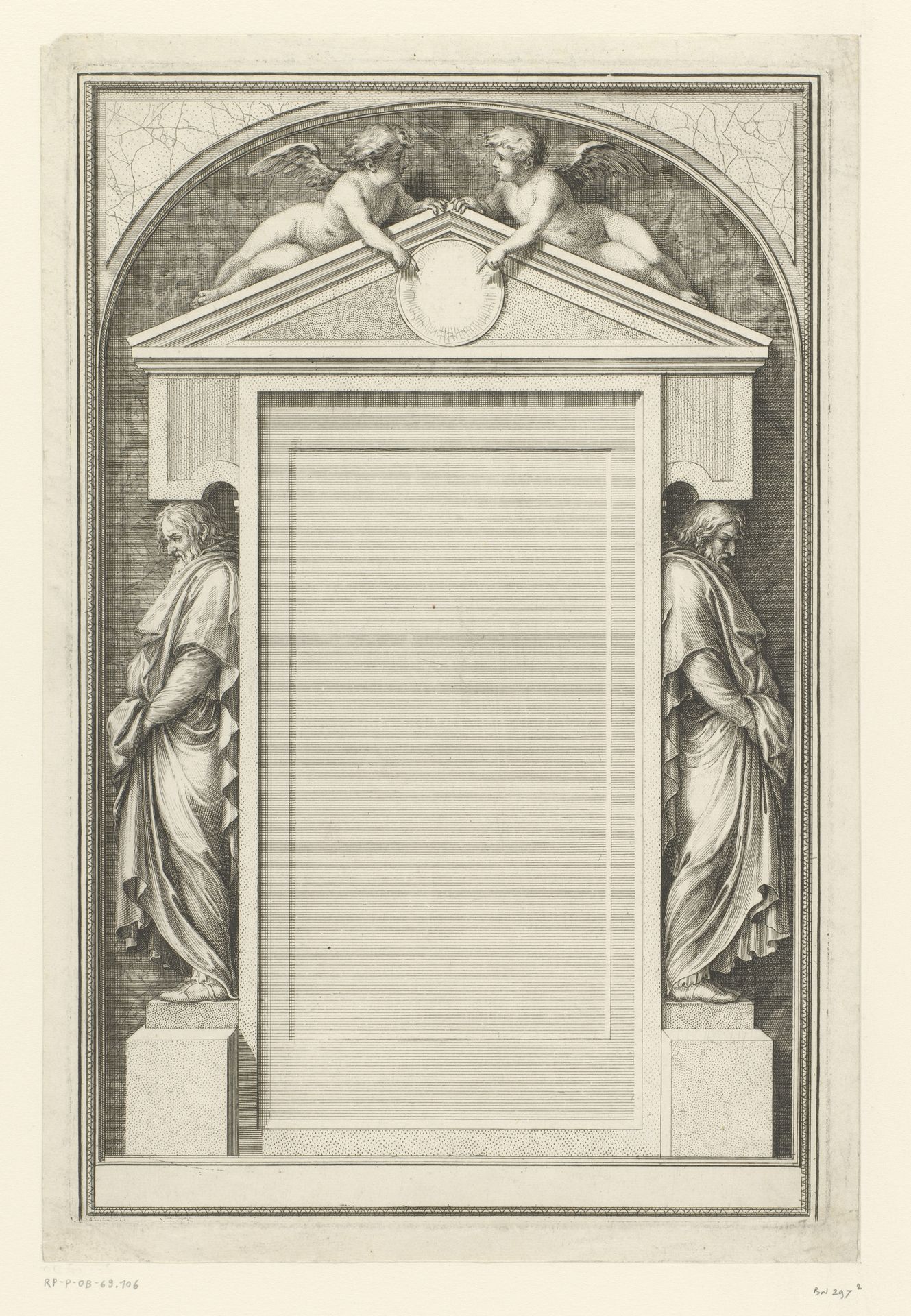
Sébastien Leclerc I made this print with etching around the late 17th century. It depicts a title page with a pediment flanked by two saints and two putti. Prints like this one played a crucial role in disseminating knowledge and shaping cultural tastes in the 17th century. France, during this time, was under the reign of Louis XIV and experienced a flourishing of the arts and sciences, heavily influenced by classical antiquity. The print’s architectural structure, the cherubic putti, and the classical figures are visual codes reflecting this cultural context. These title pages served as the public face of books, visually framing the content. The institutional history of the book trade, including publishers and libraries, is therefore deeply intertwined with the history of prints. Understanding these images requires us to consider the social conditions of artistic production and the role of institutions in shaping artistic practices. Resources like historical archives, library collections, and scholarly publications can offer valuable insights into the meaning and purpose of prints like this one.
Titelprent met fronton geflankeerd door twee heiligen en twee putti
1647 - 1714

Sébastien Leclerc I
1637 - 1714Location
RijksmuseumArtwork details
- Medium
- drawing, print, engraving
- Dimensions
- height 330 mm, width 215 mm
- Location
- Rijksmuseum
- Copyright
- Rijks Museum: Open Domain
Tags
Comments
Share your thoughts
About this artwork
Sébastien Leclerc I made this print with etching around the late 17th century. It depicts a title page with a pediment flanked by two saints and two putti. Prints like this one played a crucial role in disseminating knowledge and shaping cultural tastes in the 17th century. France, during this time, was under the reign of Louis XIV and experienced a flourishing of the arts and sciences, heavily influenced by classical antiquity. The print’s architectural structure, the cherubic putti, and the classical figures are visual codes reflecting this cultural context. These title pages served as the public face of books, visually framing the content. The institutional history of the book trade, including publishers and libraries, is therefore deeply intertwined with the history of prints. Understanding these images requires us to consider the social conditions of artistic production and the role of institutions in shaping artistic practices. Resources like historical archives, library collections, and scholarly publications can offer valuable insights into the meaning and purpose of prints like this one.
Comments
Share your thoughts