About this artwork
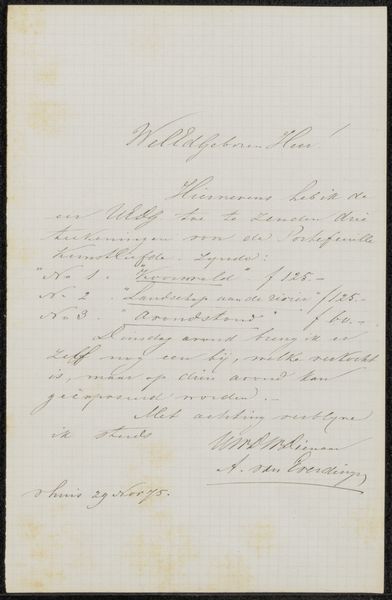
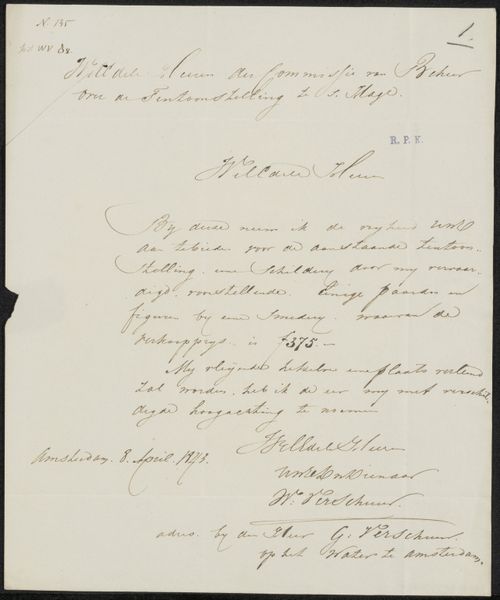
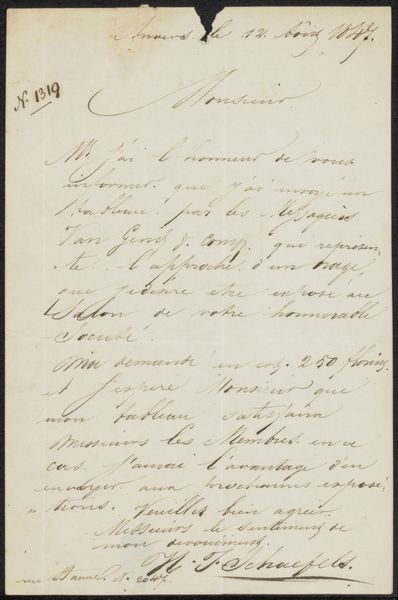
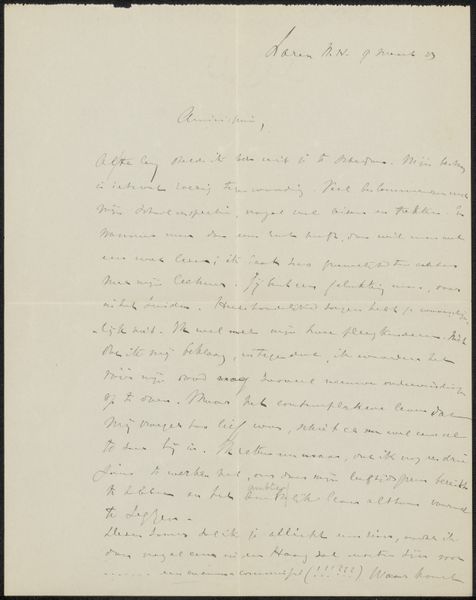
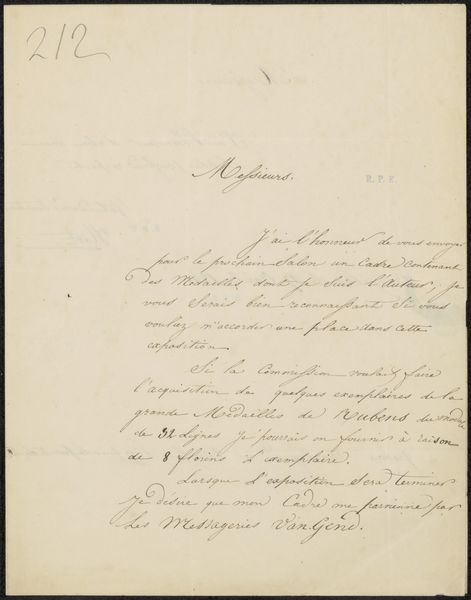
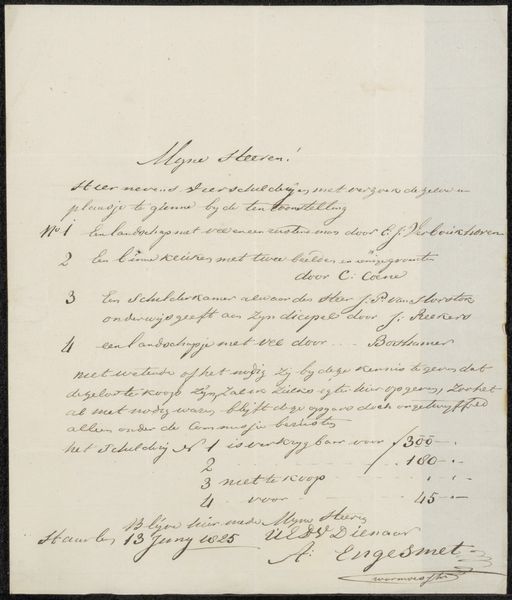
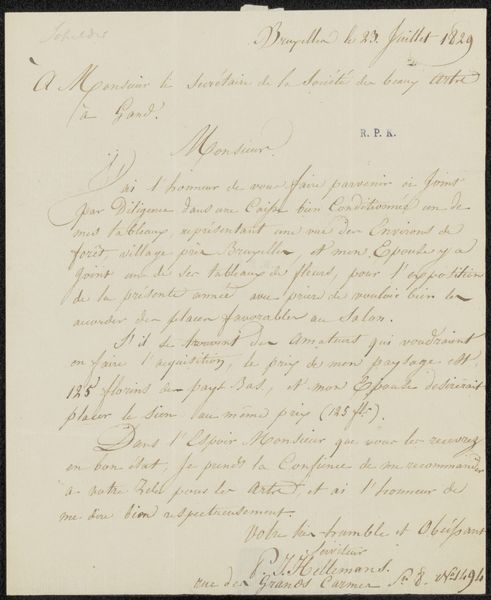
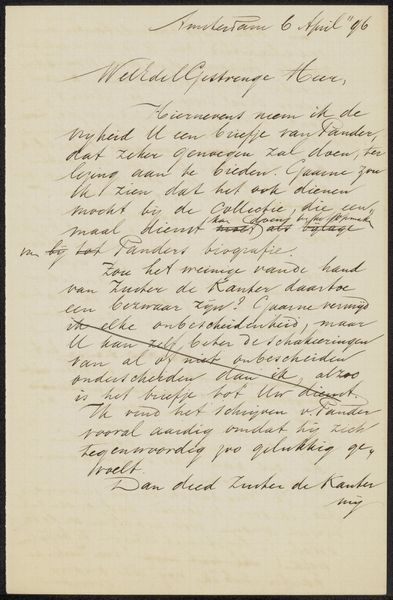
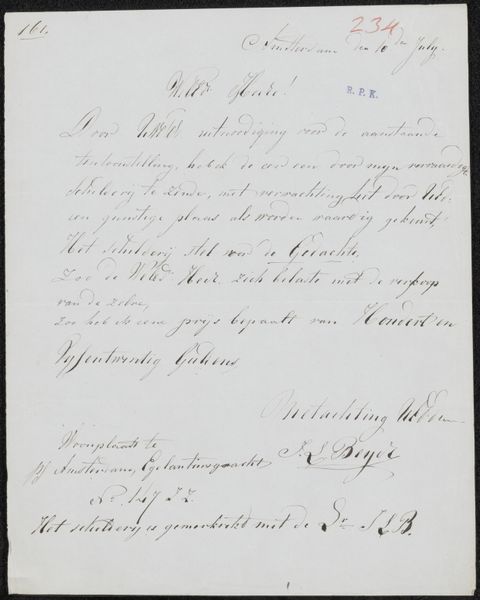
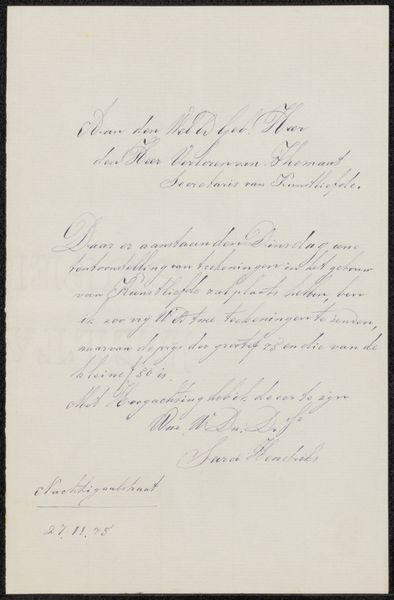
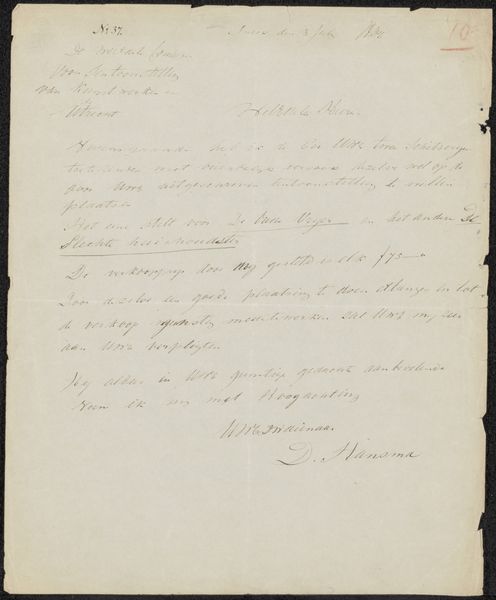
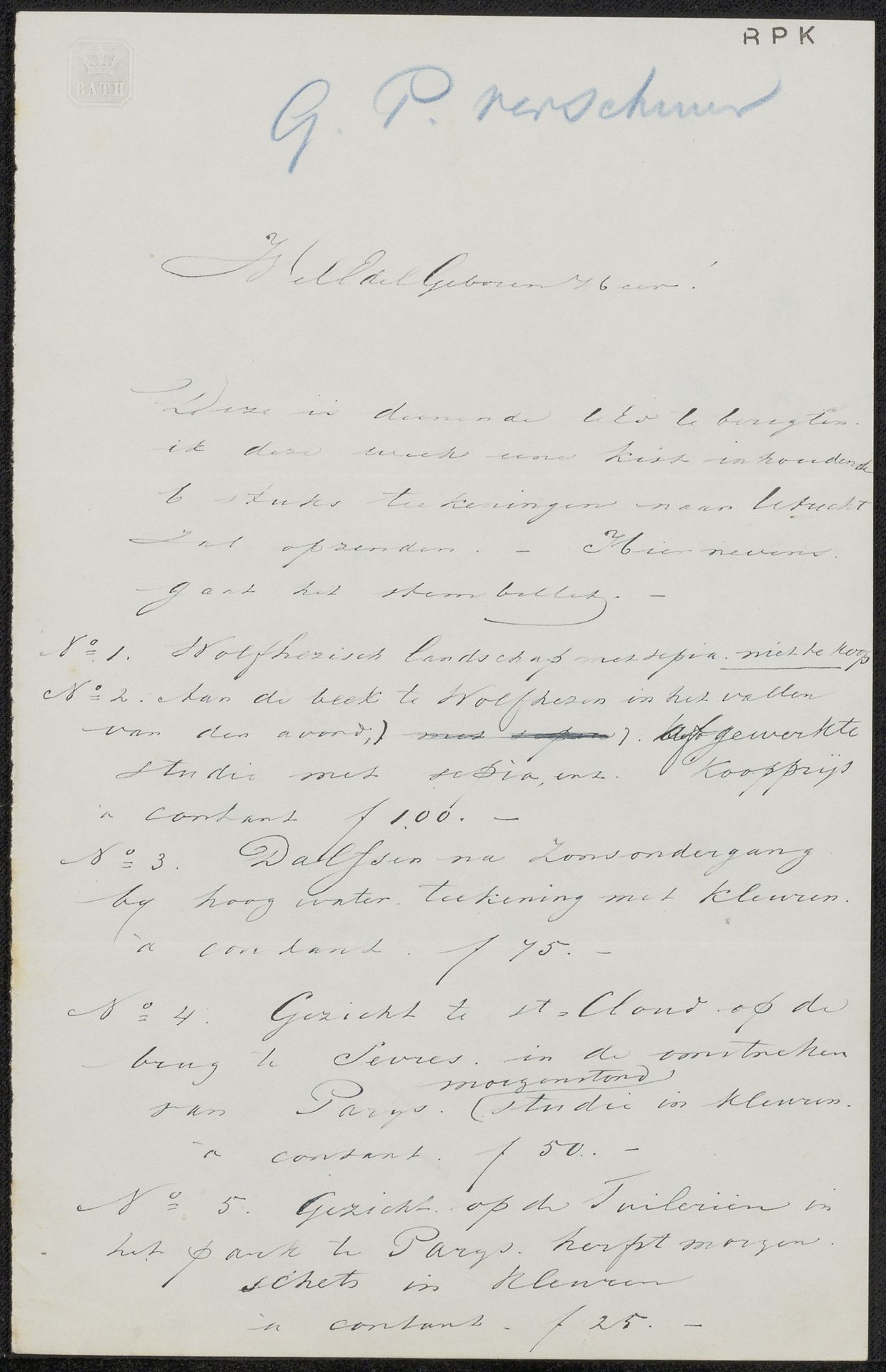
This is Gerrit Pieter Verschuur's letter written with ink on paper. Within the letter, beyond its immediate context, lurks a symbol as old as civilization itself: commerce. The pricing out of Verschuur’s works invokes the ancient practice of exchanging goods, a symbolic dance of value and desire. This act echoes through time, from the bartering systems of antiquity to the digital marketplaces of today. Consider the snake, once a potent symbol of healing in ancient Greece, now also slithering through our collective consciousness as a sign of deceit in the Garden of Eden. The act of selling art has undergone a similar metamorphosis. Initially associated with patronage and prestige, it has also become mired in anxieties about commodification and artistic integrity. Ultimately, the letter engages us on a deeper psychological level. We project our own hopes and fears onto the art market, imbuing it with a power that transcends its material reality. This practice resurfaces, evolves, and takes on new meanings in different historical contexts.

Artwork details
- Medium
- drawing, paper, ink, pen
- Copyright
- Rijks Museum: Open Domain
Tags
Comments
Share your thoughts
About this artwork
This is Gerrit Pieter Verschuur's letter written with ink on paper. Within the letter, beyond its immediate context, lurks a symbol as old as civilization itself: commerce. The pricing out of Verschuur’s works invokes the ancient practice of exchanging goods, a symbolic dance of value and desire. This act echoes through time, from the bartering systems of antiquity to the digital marketplaces of today. Consider the snake, once a potent symbol of healing in ancient Greece, now also slithering through our collective consciousness as a sign of deceit in the Garden of Eden. The act of selling art has undergone a similar metamorphosis. Initially associated with patronage and prestige, it has also become mired in anxieties about commodification and artistic integrity. Ultimately, the letter engages us on a deeper psychological level. We project our own hopes and fears onto the art market, imbuing it with a power that transcends its material reality. This practice resurfaces, evolves, and takes on new meanings in different historical contexts.
Comments
Share your thoughts