c. 1910 - 1925
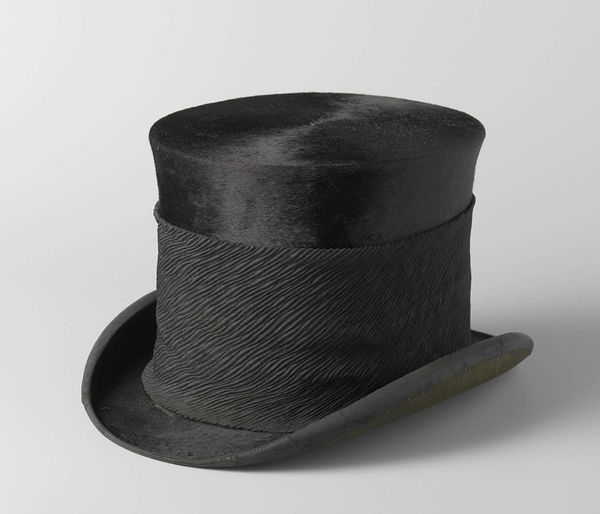
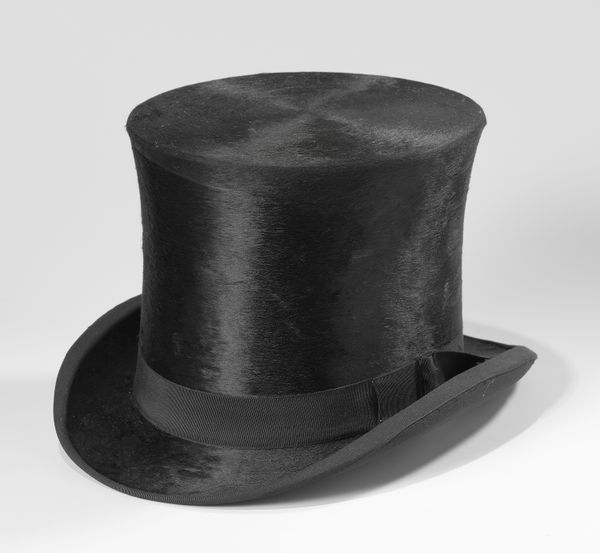
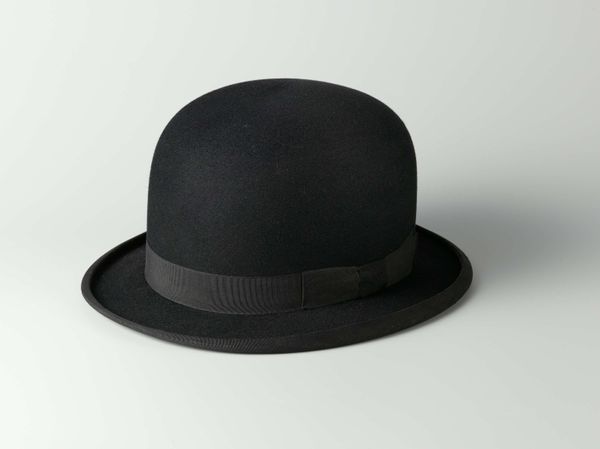
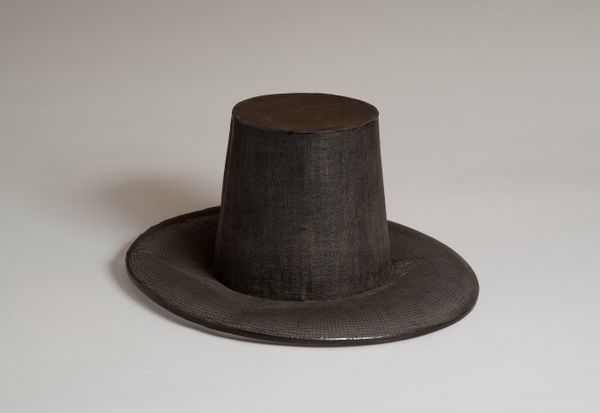
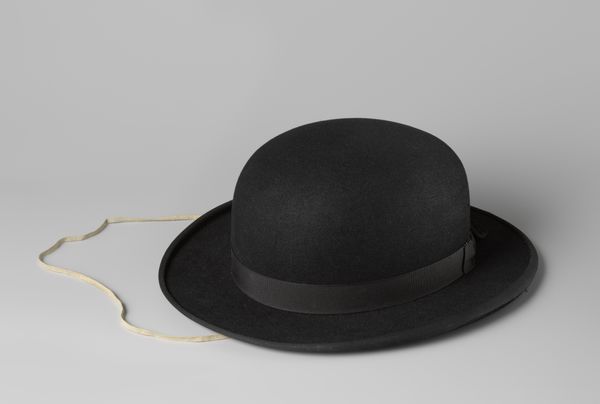
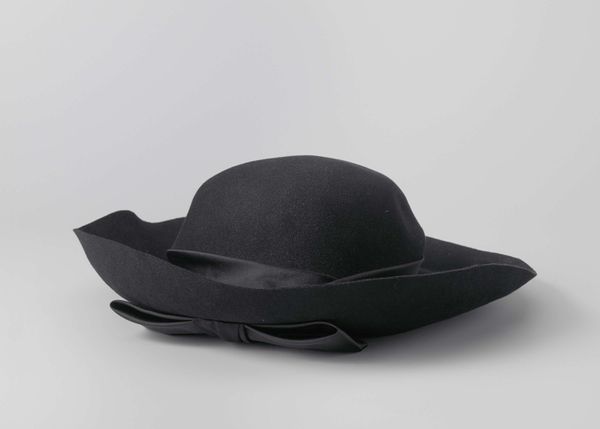
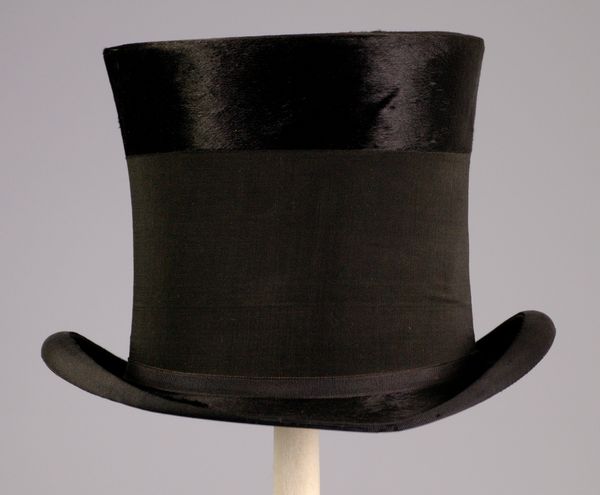
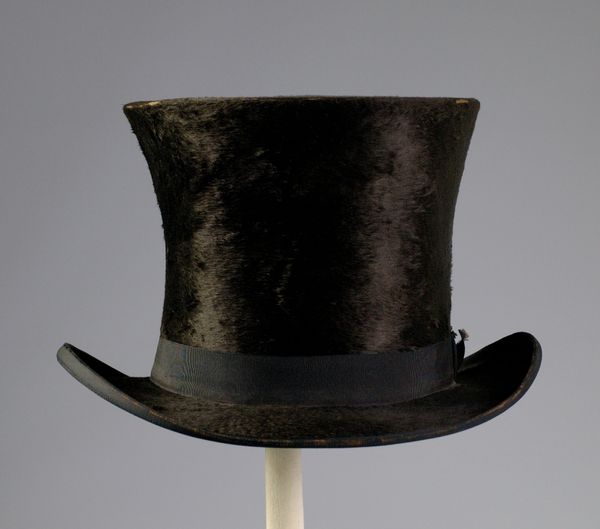
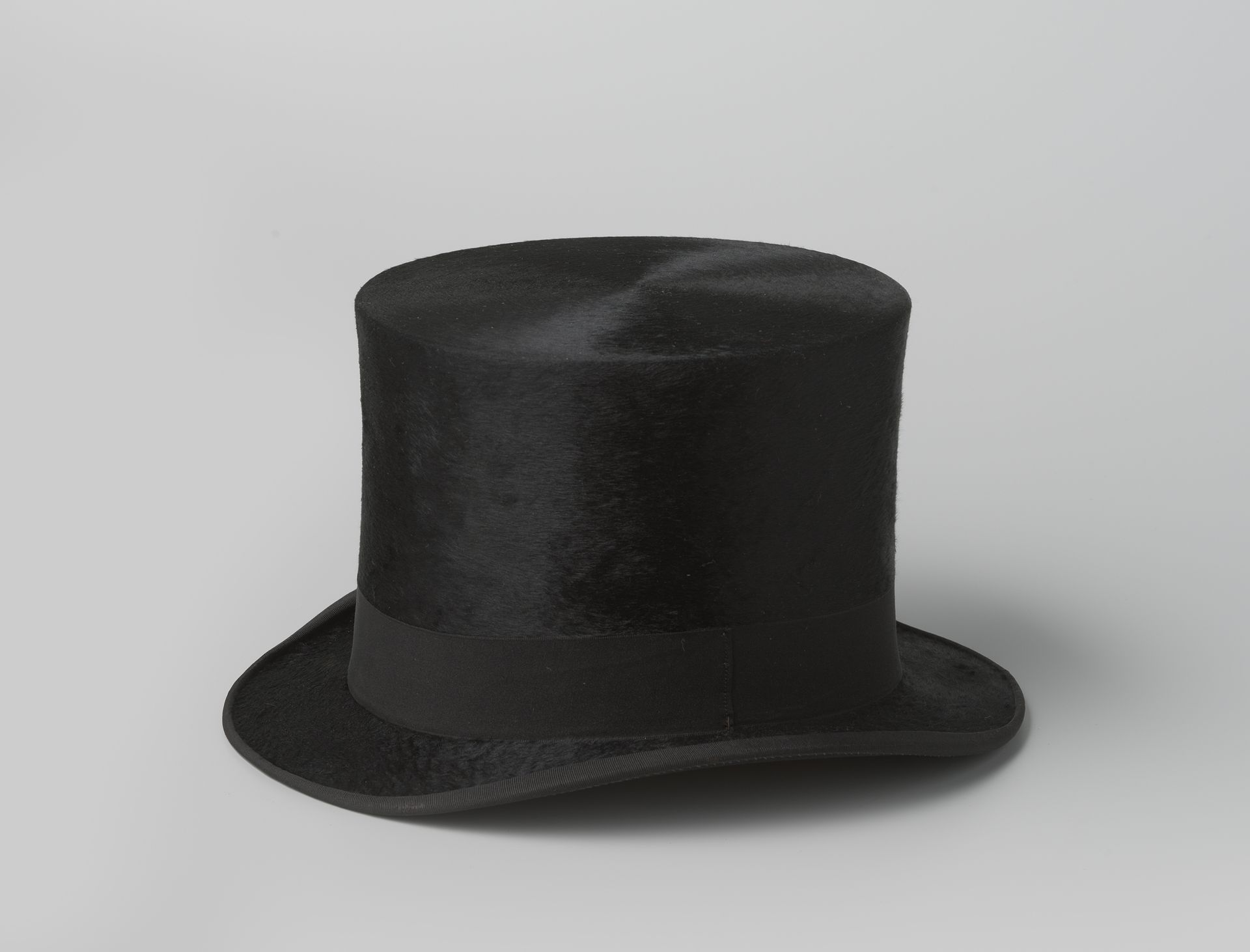
Hoge hoed van zwarte hoogglanzende zijden pluche, met band van zwart ripslint, en van binnen gevoerd met witte zijde

Listen to curator's interpretation
Curatorial notes
This top hat, crafted with black, high-gloss silk plush and lined with white silk, comes from the workshop of Fa. Spoorenberg. It embodies the sartorial elegance of its era, but it is more than mere fashion. Consider the hat as a symbol of status and authority. Throughout history, headwear has signified power—think of royal crowns or papal mitres. The top hat, popularized in the 19th century, became a potent emblem of the bourgeoisie, a marker of social and economic standing. Yet, such symbols are never static. Recall the Phrygian cap, worn by freed slaves in ancient Rome, resurrected during the French Revolution as a symbol of liberty. Similarly, the top hat evolved, appearing in myriad contexts, from the music hall stage to political cartoons. Its cyclical journey reflects our collective memory, constantly reshaping meanings, revealing the dynamic interplay between past and present.