1800 - 1830
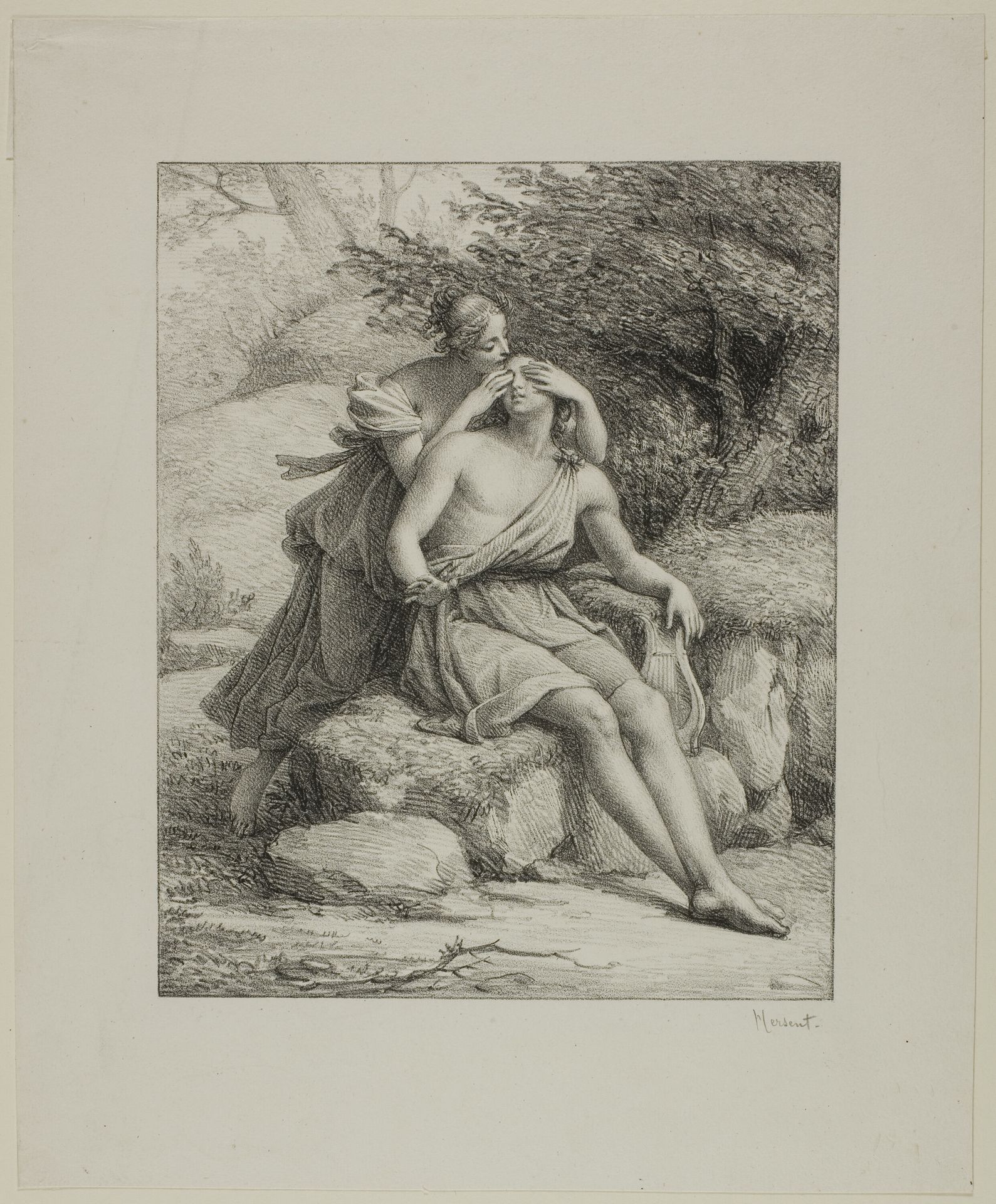
Orpheus and Eurydice


Listen to curator's interpretation
Curatorial notes
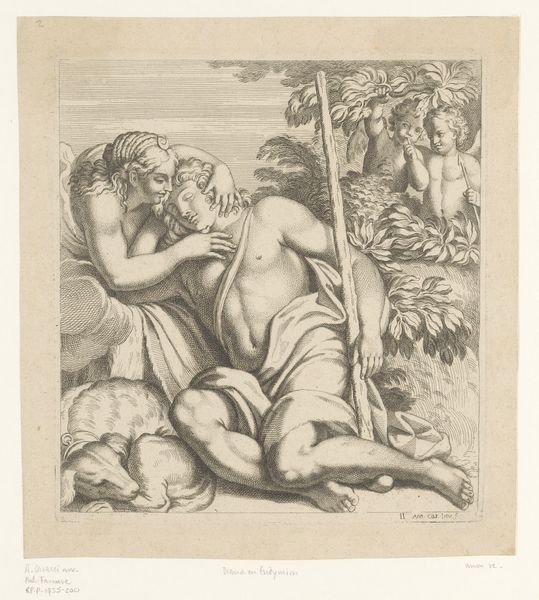
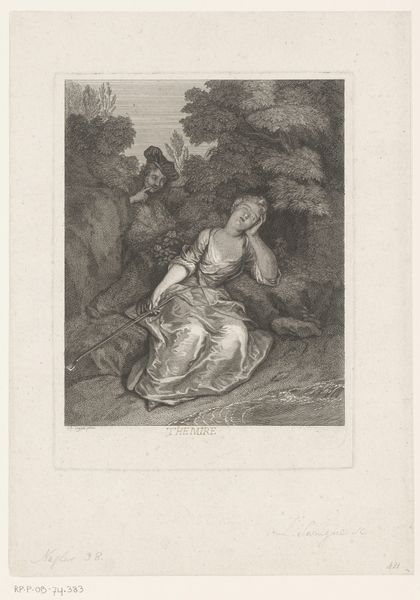
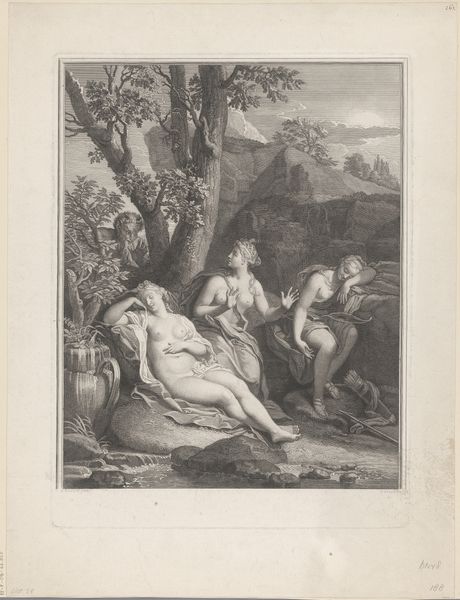
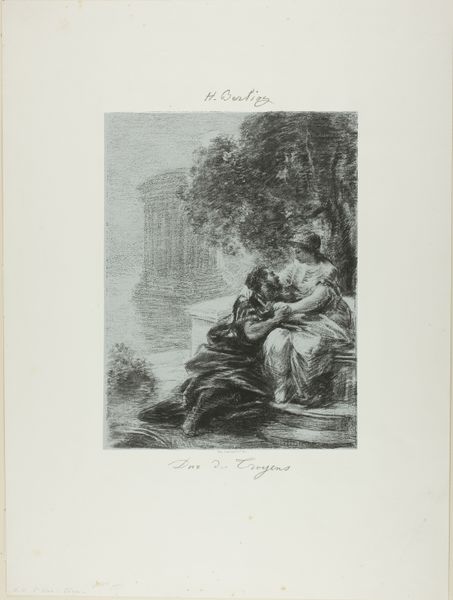
Louis Hersent created this print, Orpheus and Eurydice, depicting a moment of intimacy from Greek mythology. But consider: how might its setting and style reflect its own time? Made in France, its neoclassical aesthetic recalls a fascination with ancient Greece and Rome, a common thread in European art of the 18th and 19th centuries, particularly during periods of political and social upheaval. In this print the idyllic setting and the figures' idealized forms reflect a longing for a perceived classical harmony, away from the revolutionary discord of the time. The story of Orpheus and Eurydice—of love, loss, and the power of art—resonated deeply in this period, reminding us how artists use historical and mythological narratives to comment on their contemporary world. Examining salon records, exhibition reviews, and other documents helps us interpret the image within its original cultural and political context. It emphasizes that art is a mirror reflecting society's aspirations, anxieties, and values.