About this artwork
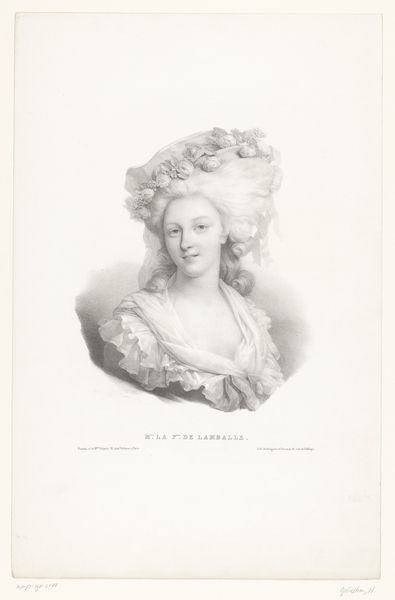
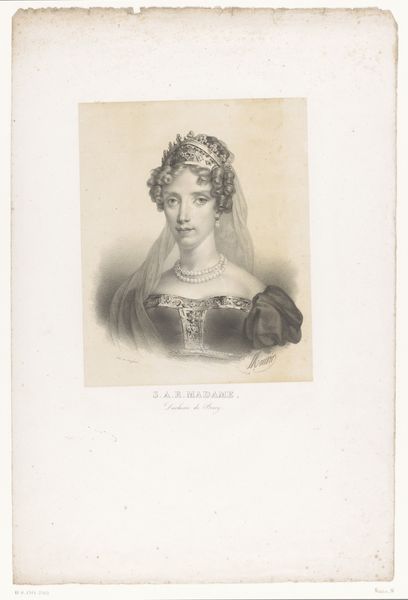
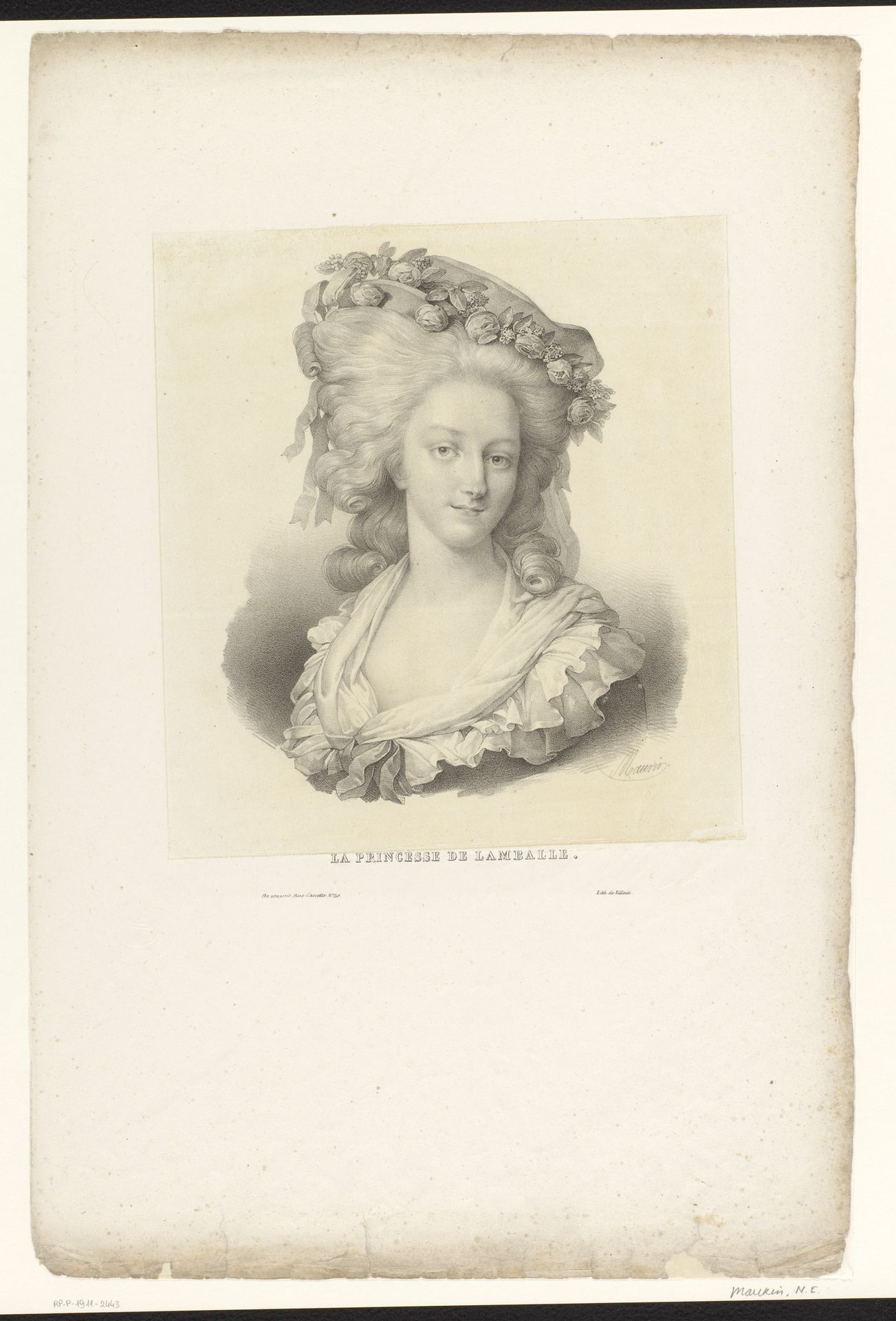
Nicolas Maurin created this print of Marie-Thérèse-Louise de Savoie-Carignan, Princesse de Lamballe in the early 19th century, a period marked by the aftershocks of the French Revolution and the rise of print culture. This print immortalizes a woman whose fate was deeply entwined with the French monarchy and the revolutionary fervor that consumed it. As a close confidante of Queen Marie Antoinette, the Princesse de Lamballe became a symbol of aristocratic loyalty during a time of immense social upheaval. Her brutal execution by a Parisian mob during the September Massacres of 1792 shocked Europe. Maurin's portrait, created after her death, presents the princess as a figure of grace and serenity, with a nod to the opulence and grandeur of the French court. The softness of the printmaking medium lends an air of vulnerability to her image, perhaps hinting at the tragic end that awaited her. It serves as a poignant reminder of the human cost of revolution, inviting reflection on the intersections of power, gender, and violence during a pivotal moment in European history.
Portret van Marie-Thérèse-Louise de Savoie-Carignan, prinses van Lamballe
1827 - 1852

Artwork details
- Medium
- print, engraving
- Dimensions
- height 548 mm, width 362 mm
- Copyright
- Rijks Museum: Open Domain
Tags
Comments
Share your thoughts
About this artwork
Nicolas Maurin created this print of Marie-Thérèse-Louise de Savoie-Carignan, Princesse de Lamballe in the early 19th century, a period marked by the aftershocks of the French Revolution and the rise of print culture. This print immortalizes a woman whose fate was deeply entwined with the French monarchy and the revolutionary fervor that consumed it. As a close confidante of Queen Marie Antoinette, the Princesse de Lamballe became a symbol of aristocratic loyalty during a time of immense social upheaval. Her brutal execution by a Parisian mob during the September Massacres of 1792 shocked Europe. Maurin's portrait, created after her death, presents the princess as a figure of grace and serenity, with a nod to the opulence and grandeur of the French court. The softness of the printmaking medium lends an air of vulnerability to her image, perhaps hinting at the tragic end that awaited her. It serves as a poignant reminder of the human cost of revolution, inviting reflection on the intersections of power, gender, and violence during a pivotal moment in European history.
Comments
Share your thoughts