About this artwork
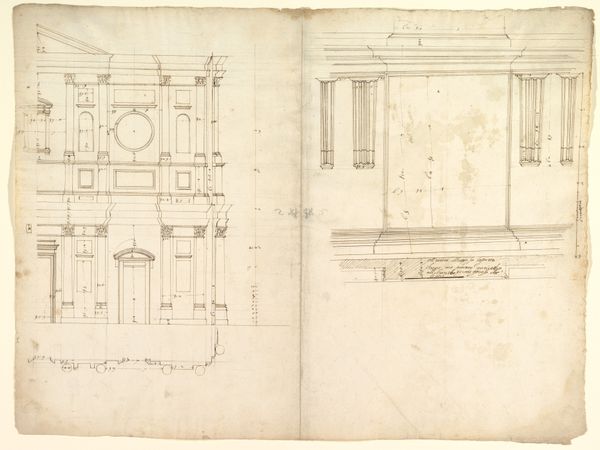
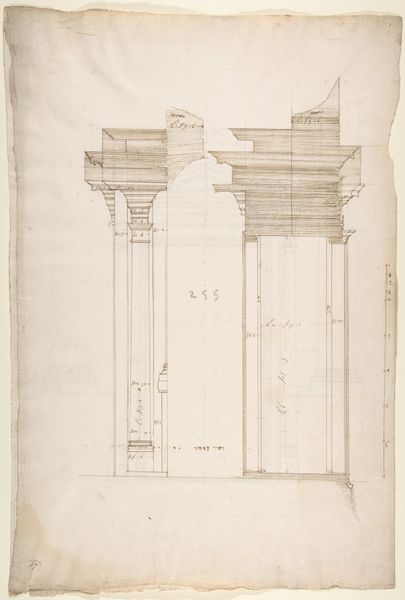
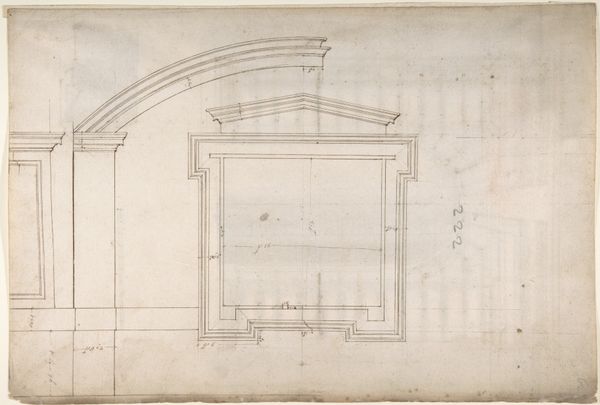
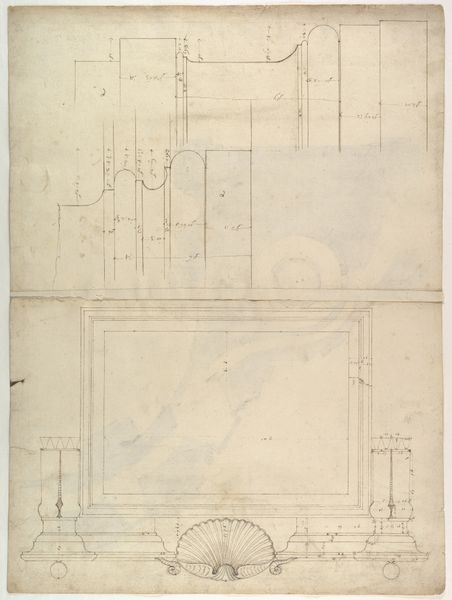
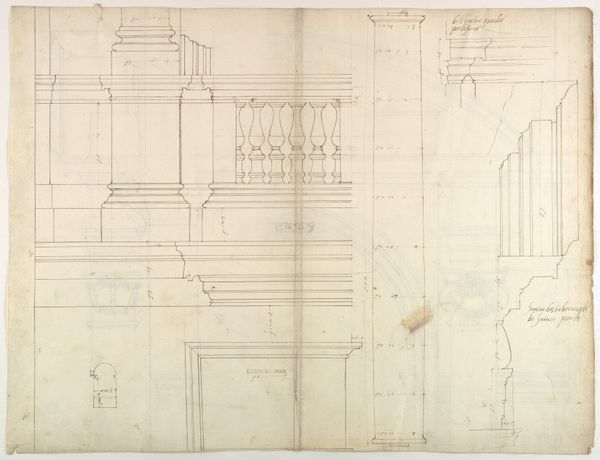
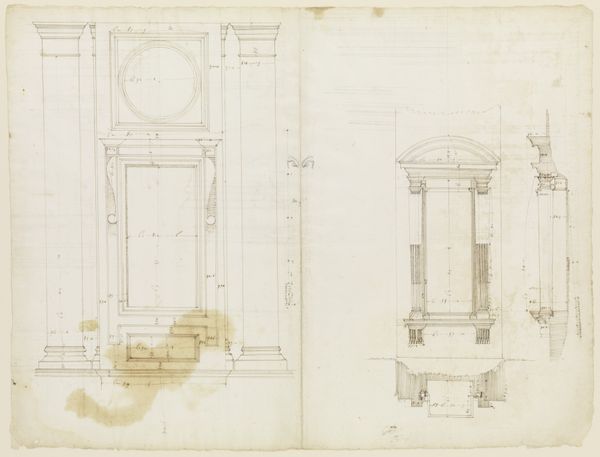
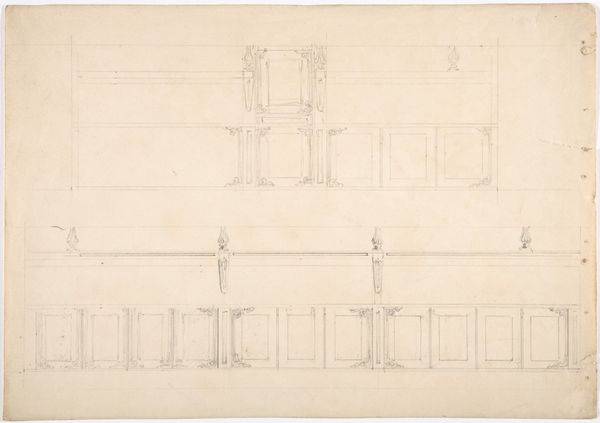
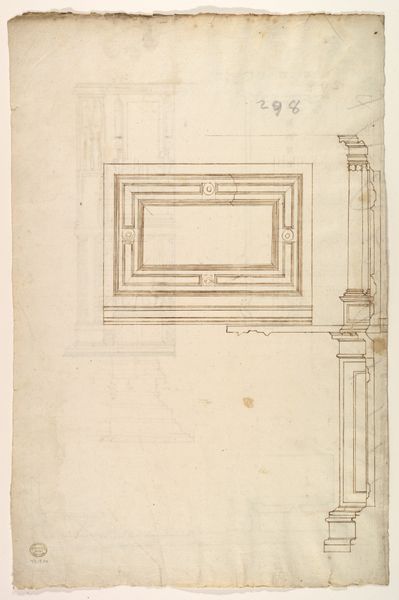
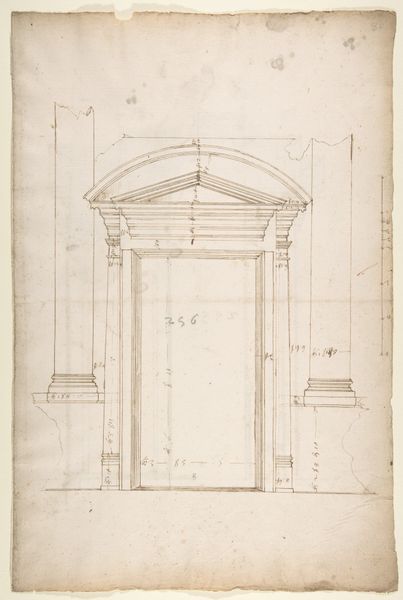
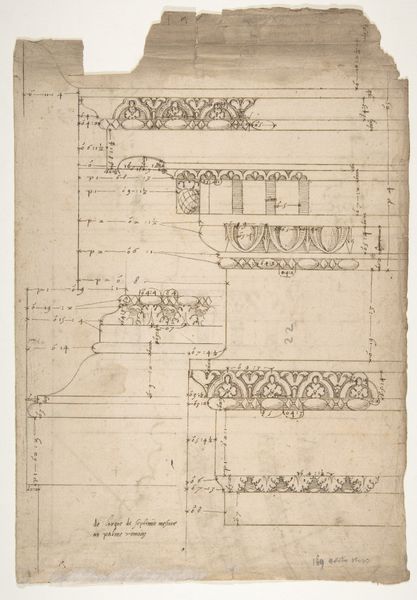
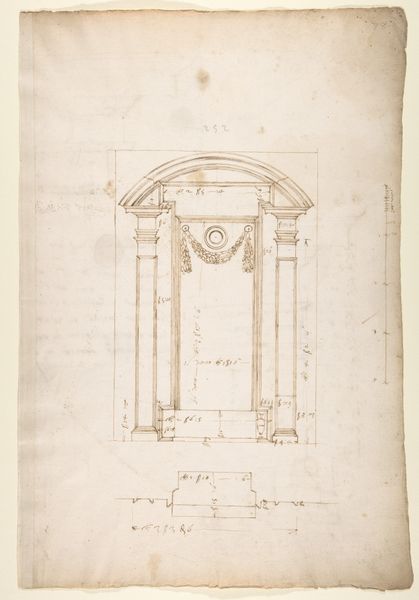
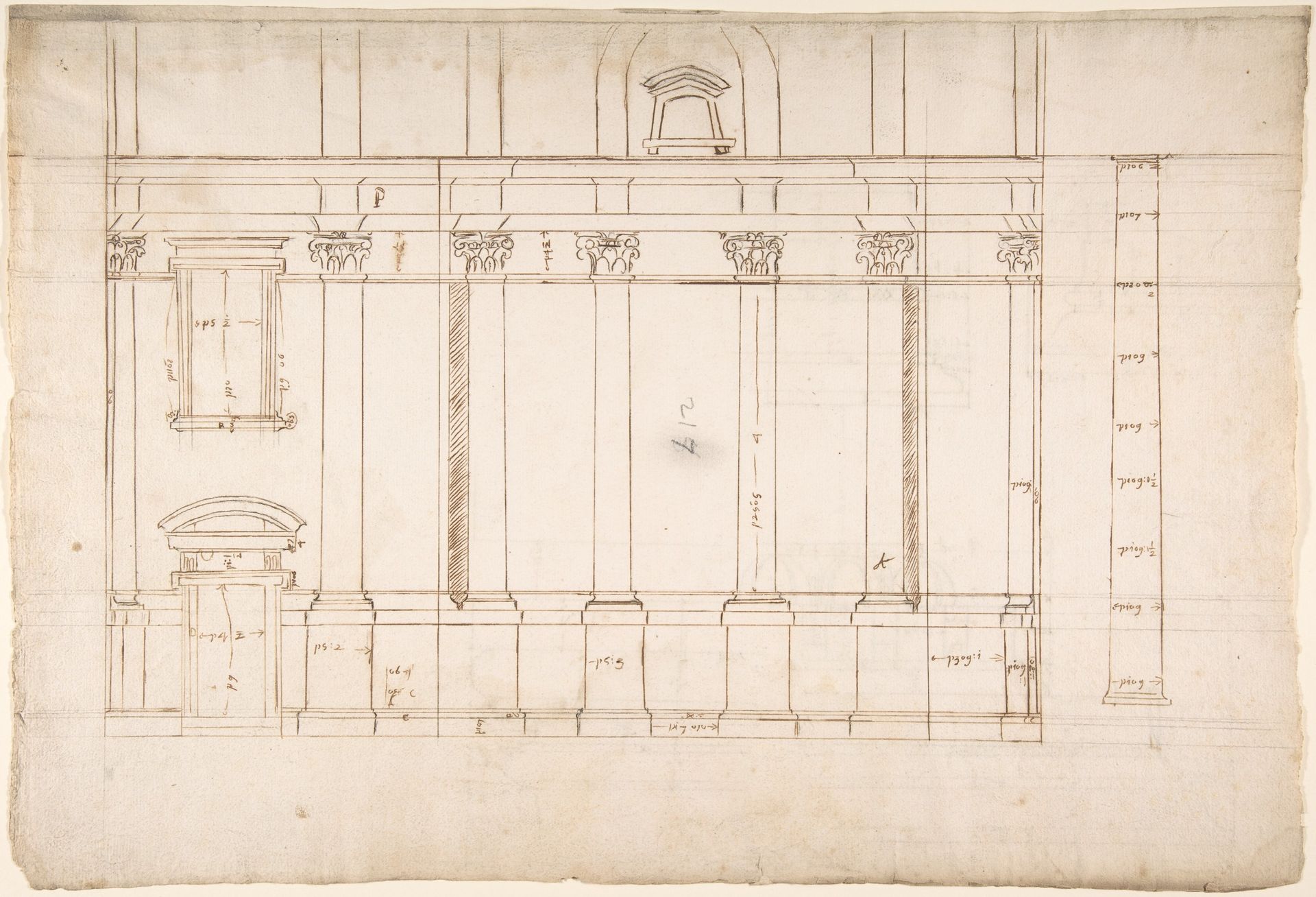
This ink drawing shows the Santa Maria Maggiore Sforza Chapel's elevation, created by an anonymous artist. The drawing’s strength lies in its clear and systematic rendering of architectural forms. Observe how the anonymous artist meticulously uses line to articulate the chapel's design. The repetitive columns rhythmically divide the space, emphasizing the classical architectural principles in play. The entablature, with its partial cornice, sits atop these columns, showcasing the artist’s understanding of classical proportion and detail. This detailed elevation reflects a deep engagement with architectural form and structure. The drawing provides insight into the architectural thought of the time, where clarity and precision were valued in conveying design ideas. Though anonymous, the drawing speaks volumes about the intellectual environment in which it was created, revealing how architectural knowledge was documented and disseminated.
Santa Maria Maggiore, Sforza Chapel, elevation (recto) Unknown, entablature, partial cornice, and column or pilaster base profile (verso)
1500 - 1560


Artwork details
- Medium
- drawing, print, ink, pen, architecture
- Dimensions
- sheet: 11 13/16 x 17 5/16 in. (30 x 44 cm)
- Location
- Metropolitan Museum of Art, New York, NY
- Copyright
- Public Domain
Tags
Comments
Share your thoughts
About this artwork
This ink drawing shows the Santa Maria Maggiore Sforza Chapel's elevation, created by an anonymous artist. The drawing’s strength lies in its clear and systematic rendering of architectural forms. Observe how the anonymous artist meticulously uses line to articulate the chapel's design. The repetitive columns rhythmically divide the space, emphasizing the classical architectural principles in play. The entablature, with its partial cornice, sits atop these columns, showcasing the artist’s understanding of classical proportion and detail. This detailed elevation reflects a deep engagement with architectural form and structure. The drawing provides insight into the architectural thought of the time, where clarity and precision were valued in conveying design ideas. Though anonymous, the drawing speaks volumes about the intellectual environment in which it was created, revealing how architectural knowledge was documented and disseminated.
Comments
Share your thoughts