1825 - 1861
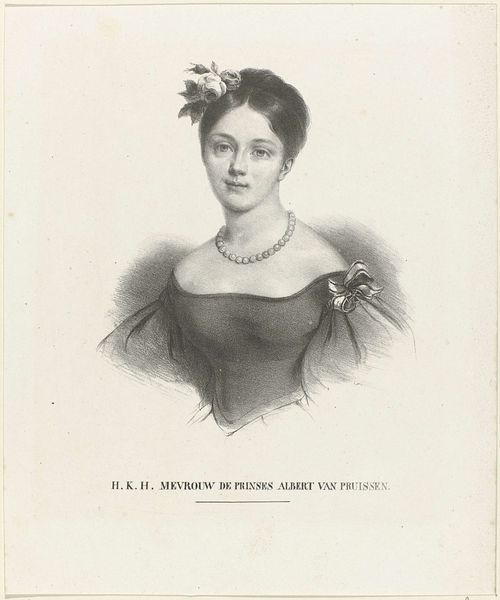
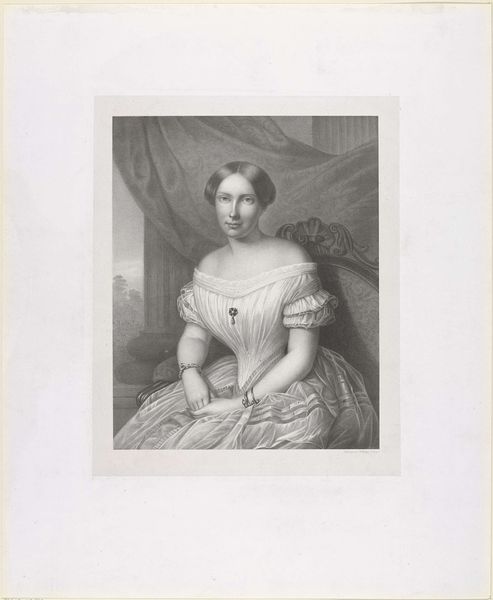
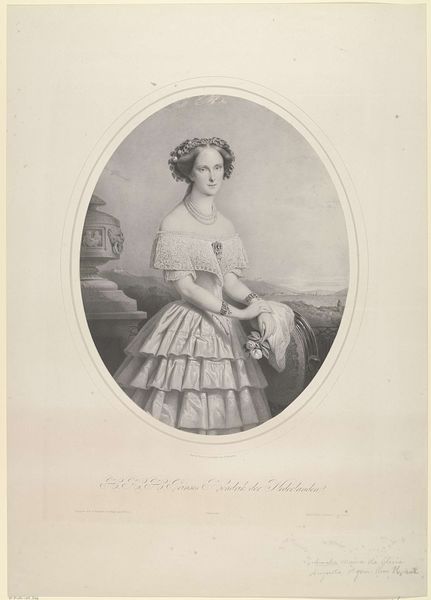
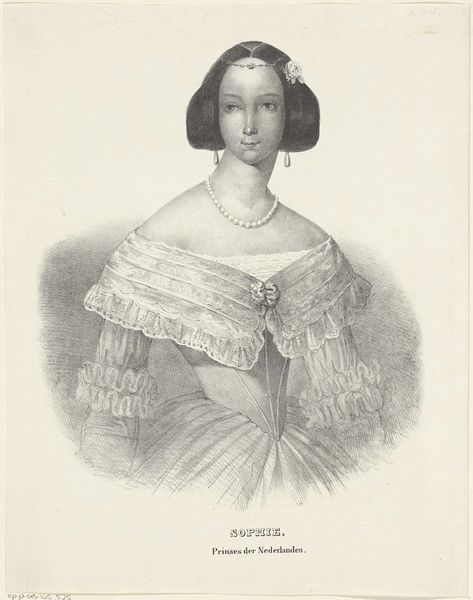
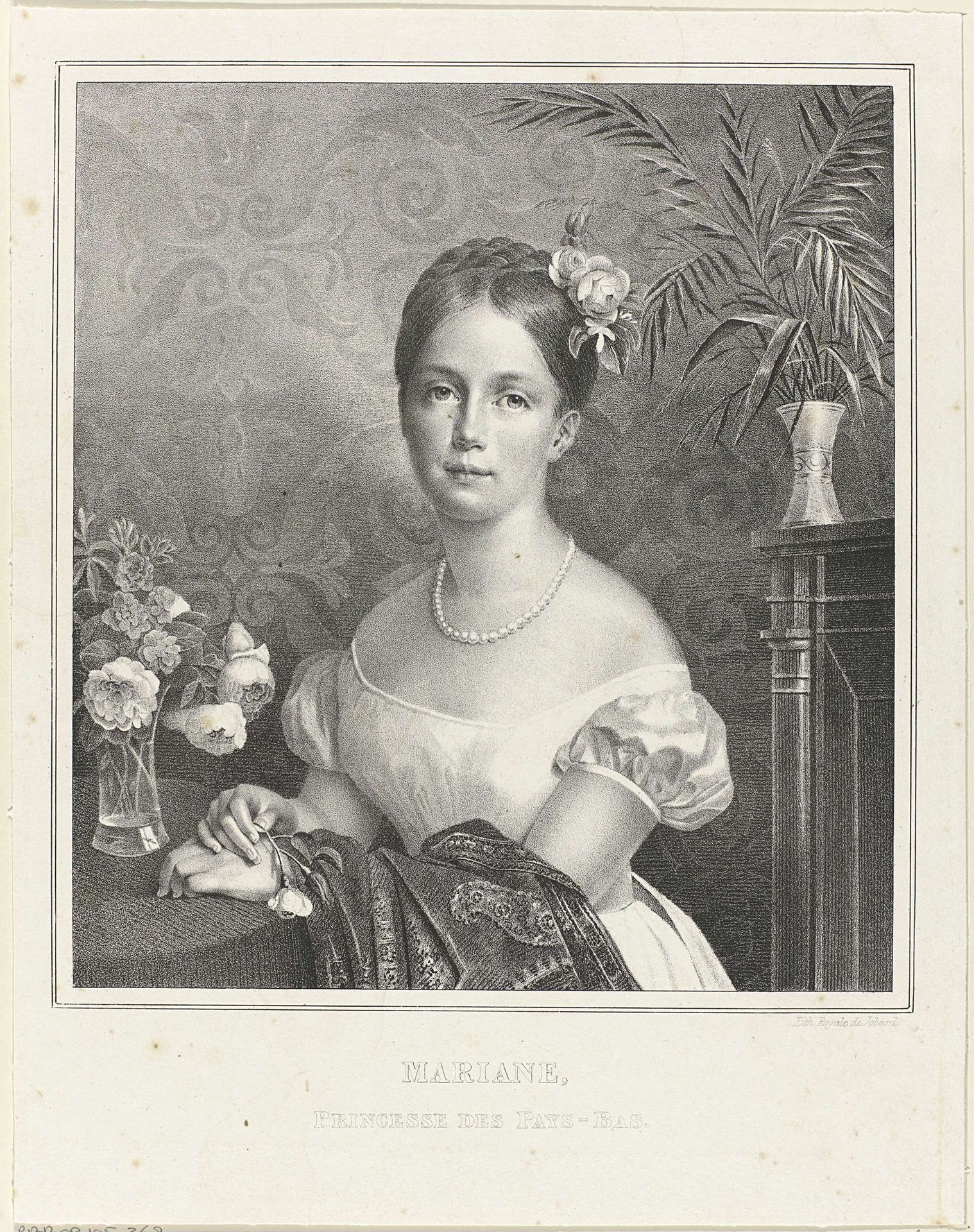
Portret van Marianne, prinses der Nederlanden

Anonymous
@anonymousLocation
RijksmuseumListen to curator's interpretation
Curatorial notes
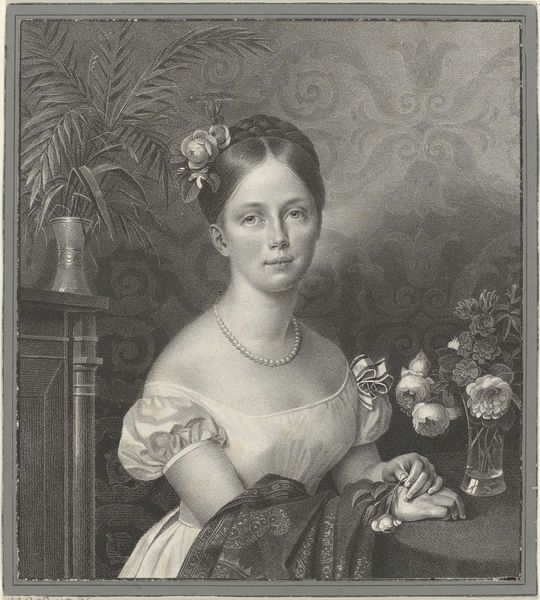
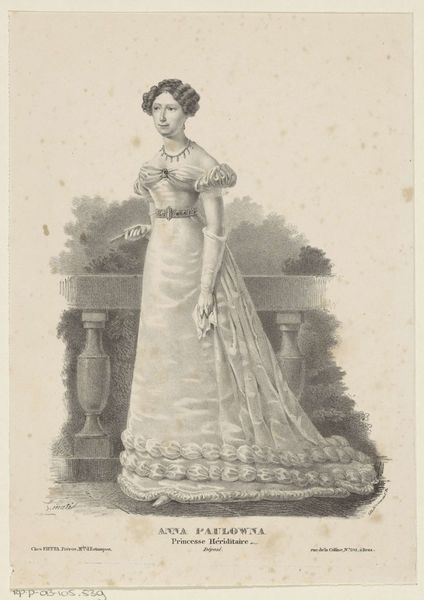
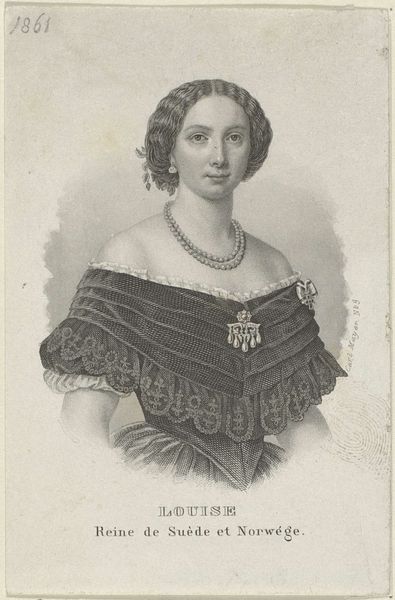
Editor: This is a portrait of Marianne, Princess of the Netherlands, made sometime between 1825 and 1861. It's an intaglio print. She seems both very composed and a little sad, sitting formally surrounded by flowers and draped fabric. What stands out to you? Curator: I'm immediately struck by the carefully chosen symbols used here. Note the roses. They’re symbols of love, beauty, and secrecy. What might they be communicating when associated with a royal figure? Editor: Maybe something about her private life versus her public image? Royalty often have hidden lives. Curator: Exactly! Now, consider the plant behind her. That’s likely a palm, traditionally signifying victory, triumph, and eternal life. This creates a fascinating duality. While the roses whisper of intimate secrets and perhaps even vulnerability, the palm asserts power, success, and lasting legacy. Does this contrast evoke anything specific to you? Editor: I guess it's a way to balance her humanity with her royal status. It shows that she’s both a person with feelings and a figurehead representing her country. Curator: Precisely. Notice the detail given to the fabrics, each pattern a complex, and repeatable symbolic expression. Are there are cultural significances interwoven within the portrait's details? Editor: I hadn’t thought about that, but it's fascinating how much is being communicated beyond just her likeness. I learned a lot by understanding the individual symbols and considering the artist’s purpose for each placement. Curator: It's the interplay of these symbols that offers us a glimpse into the cultural values and possibly even the personal narrative of the sitter and how they wished to be perceived. The silent language of imagery can be incredibly eloquent.