About this artwork
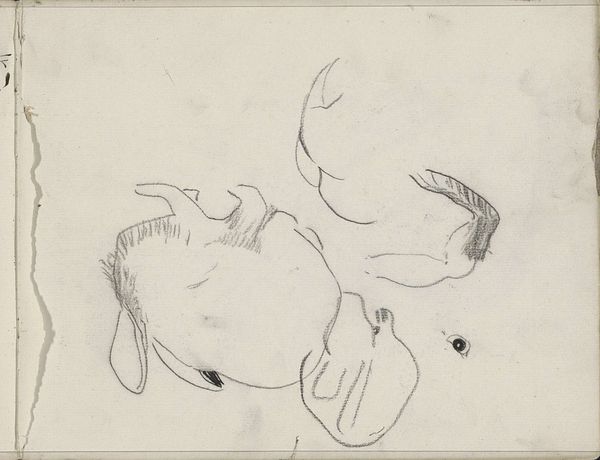
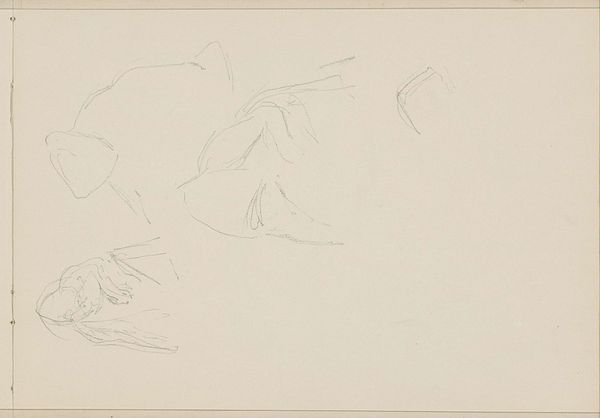
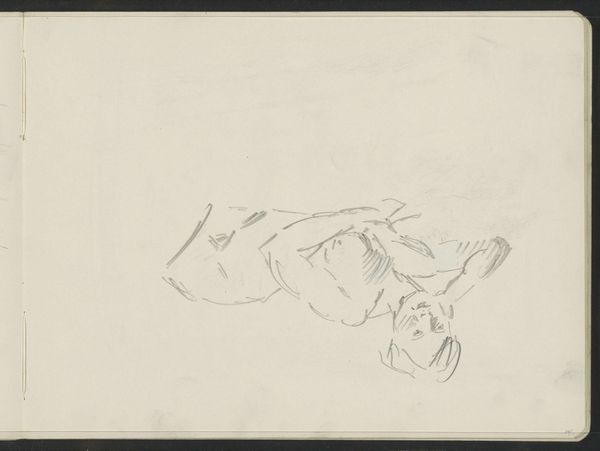
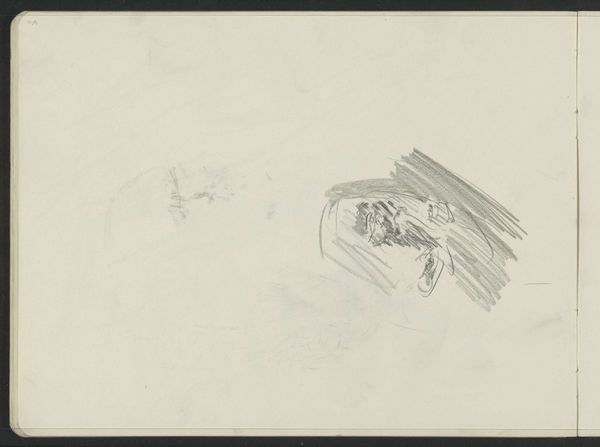
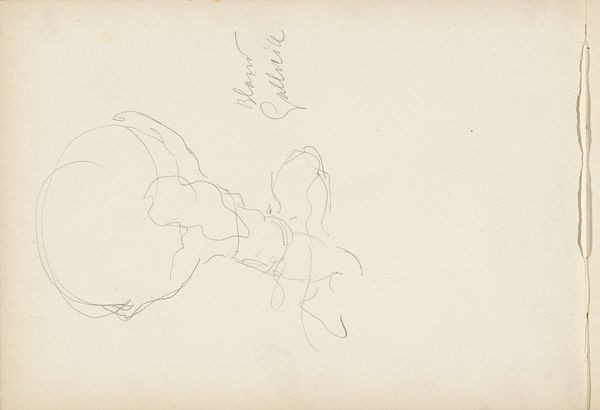
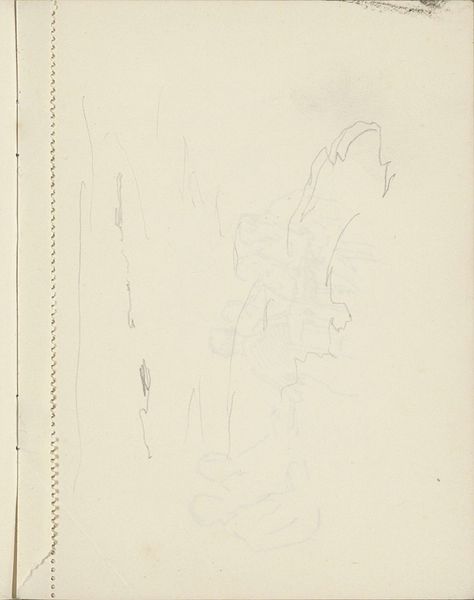
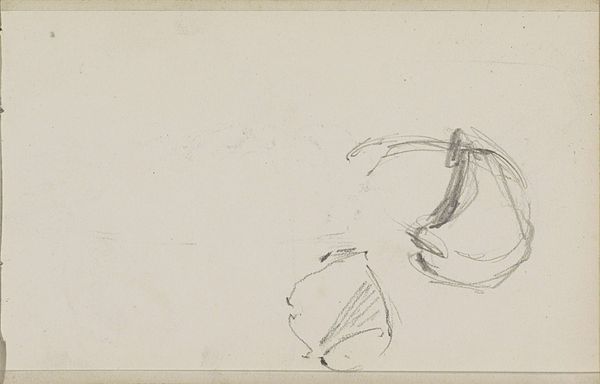
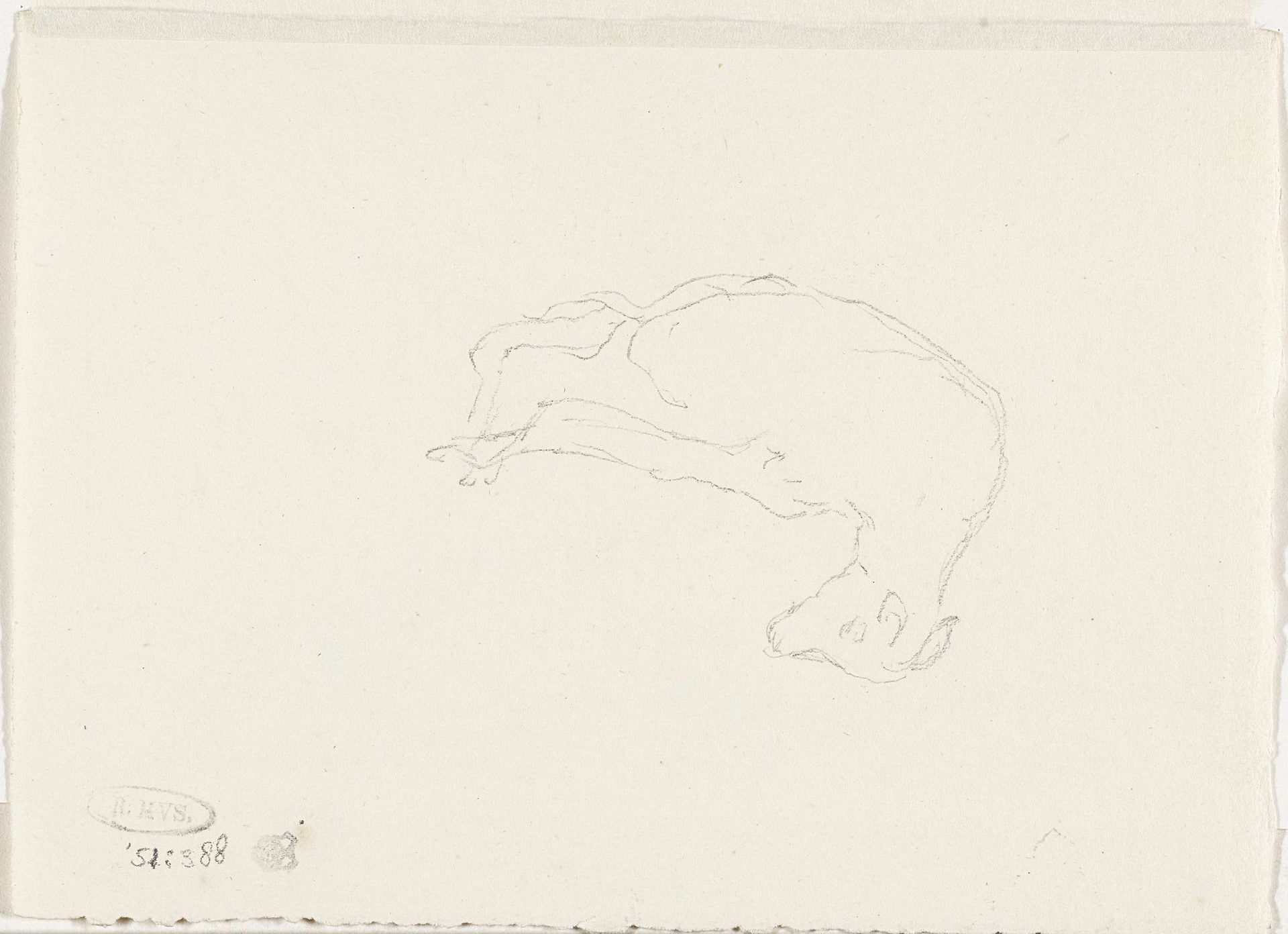
Here in the Rijksmuseum is a drawing of a bound lamb made by Pieter Bartholomeusz. Barbiers. The drawing, rendered in delicate lines, captures the lamb in a state of repose, perhaps even resignation. The composition, spare and austere, directs our attention to the lamb's form, its curves and contours outlined with precision. The starkness of the drawing invites contemplation on themes of vulnerability and mortality. The lack of embellishment encourages a focus on the lamb's shape, allowing us to see it not just as an animal, but as a study in form and structure. The lines, though minimal, convey a sense of volume and texture, bringing a tactile quality to the image. Is the lamb, through the artist's formalism, rendered into a signifier of innocence? The composition is more than just a depiction; it is an invitation to consider the deeper structures of meaning and representation. What does the lamb symbolize, and how does the artist use form to communicate these ideas?
Liggend, vastgebonden lam
1782 - 1837

Pieter Bartholomeusz. Barbiers
1772 - 1837Location
RijksmuseumArtwork details
- Medium
- drawing, pencil
- Dimensions
- height 132 mm, width 185 mm
- Location
- Rijksmuseum
- Copyright
- Rijks Museum: Open Domain
Tags
Comments
Share your thoughts
About this artwork
Here in the Rijksmuseum is a drawing of a bound lamb made by Pieter Bartholomeusz. Barbiers. The drawing, rendered in delicate lines, captures the lamb in a state of repose, perhaps even resignation. The composition, spare and austere, directs our attention to the lamb's form, its curves and contours outlined with precision. The starkness of the drawing invites contemplation on themes of vulnerability and mortality. The lack of embellishment encourages a focus on the lamb's shape, allowing us to see it not just as an animal, but as a study in form and structure. The lines, though minimal, convey a sense of volume and texture, bringing a tactile quality to the image. Is the lamb, through the artist's formalism, rendered into a signifier of innocence? The composition is more than just a depiction; it is an invitation to consider the deeper structures of meaning and representation. What does the lamb symbolize, and how does the artist use form to communicate these ideas?
Comments
Share your thoughts