
Curatorial notes
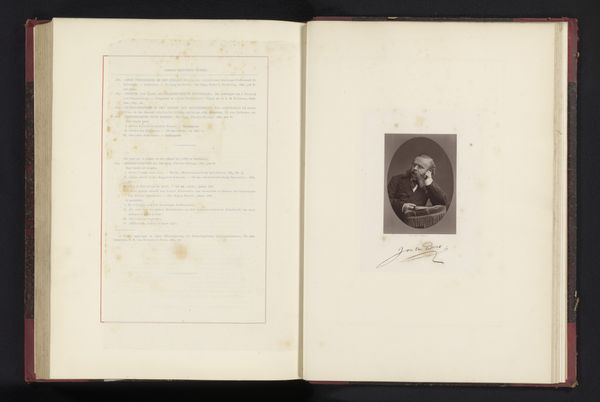
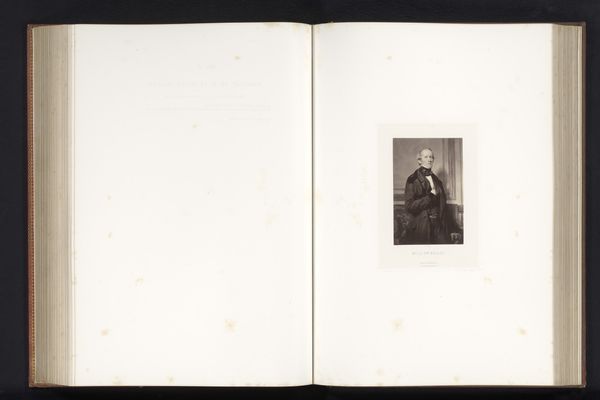
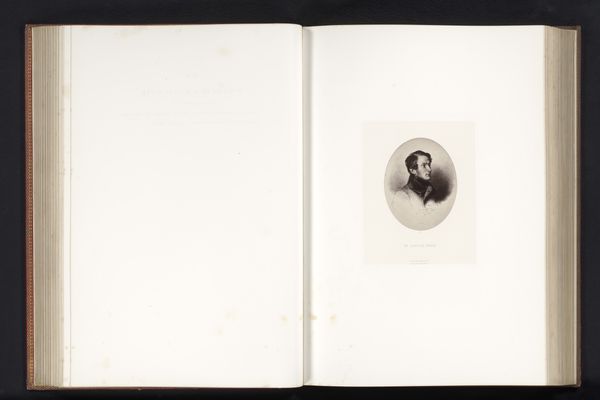
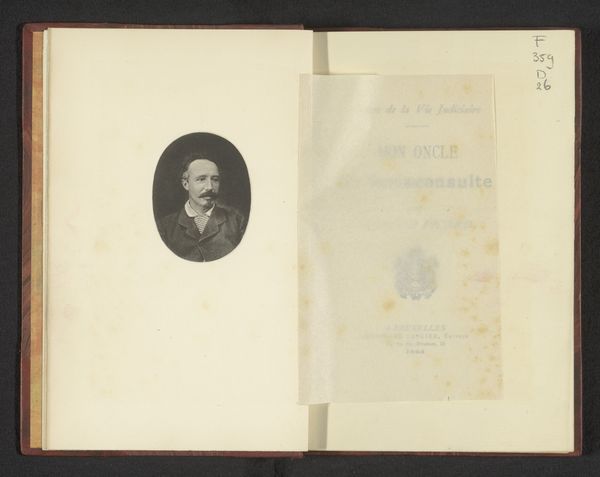
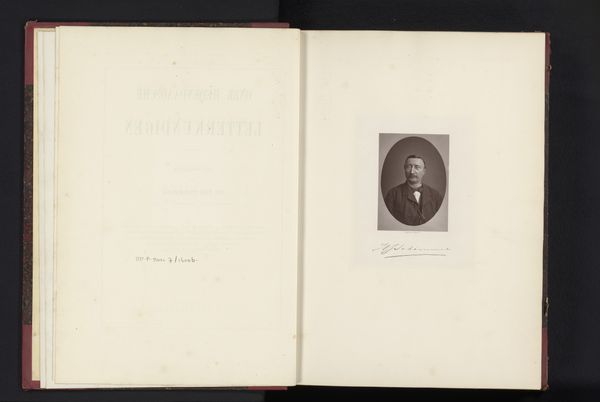
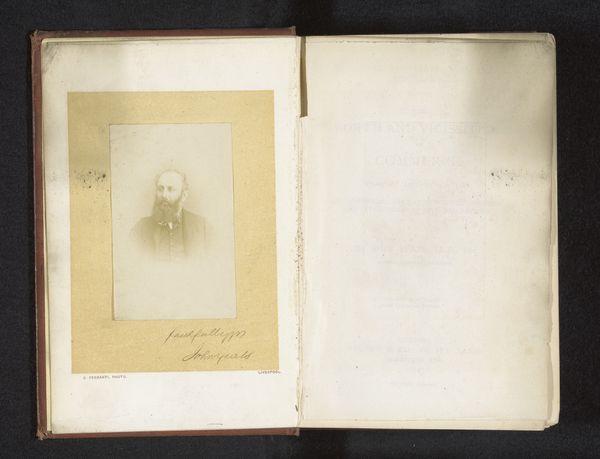
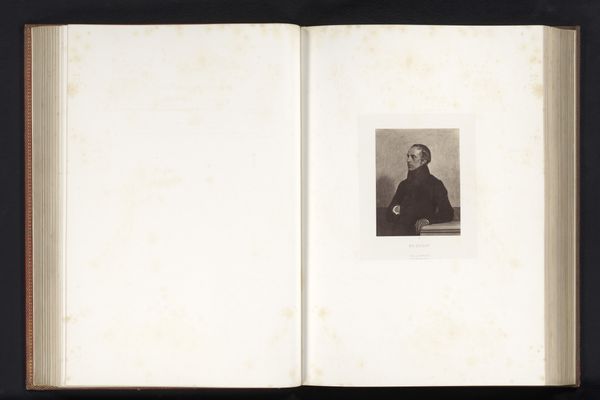
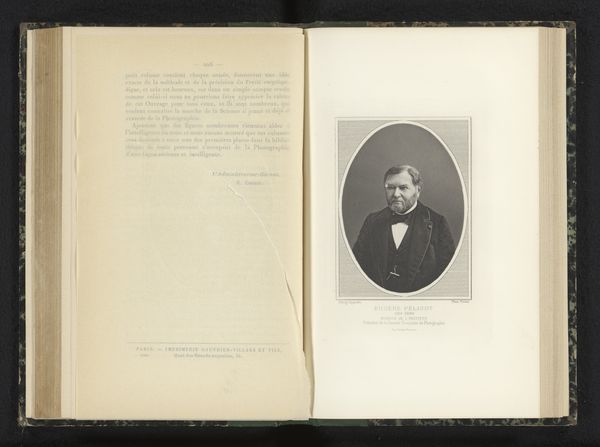
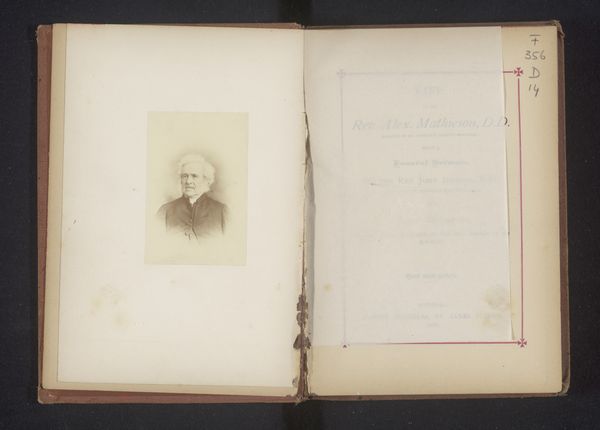
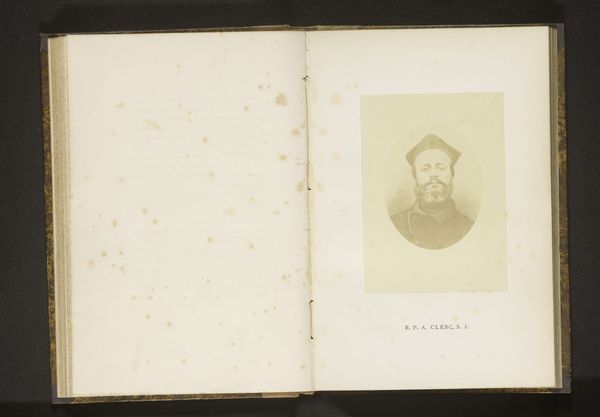
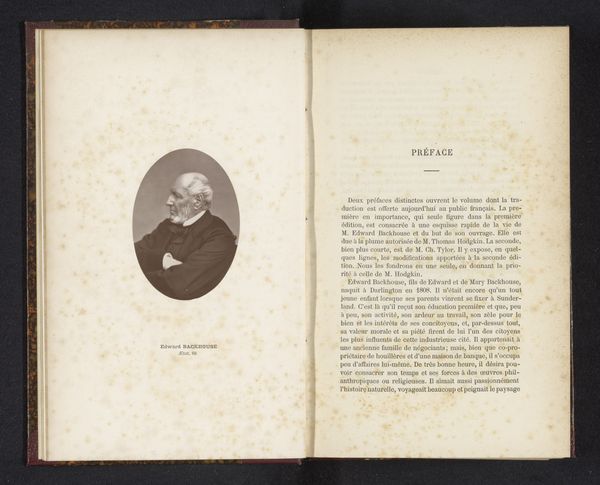
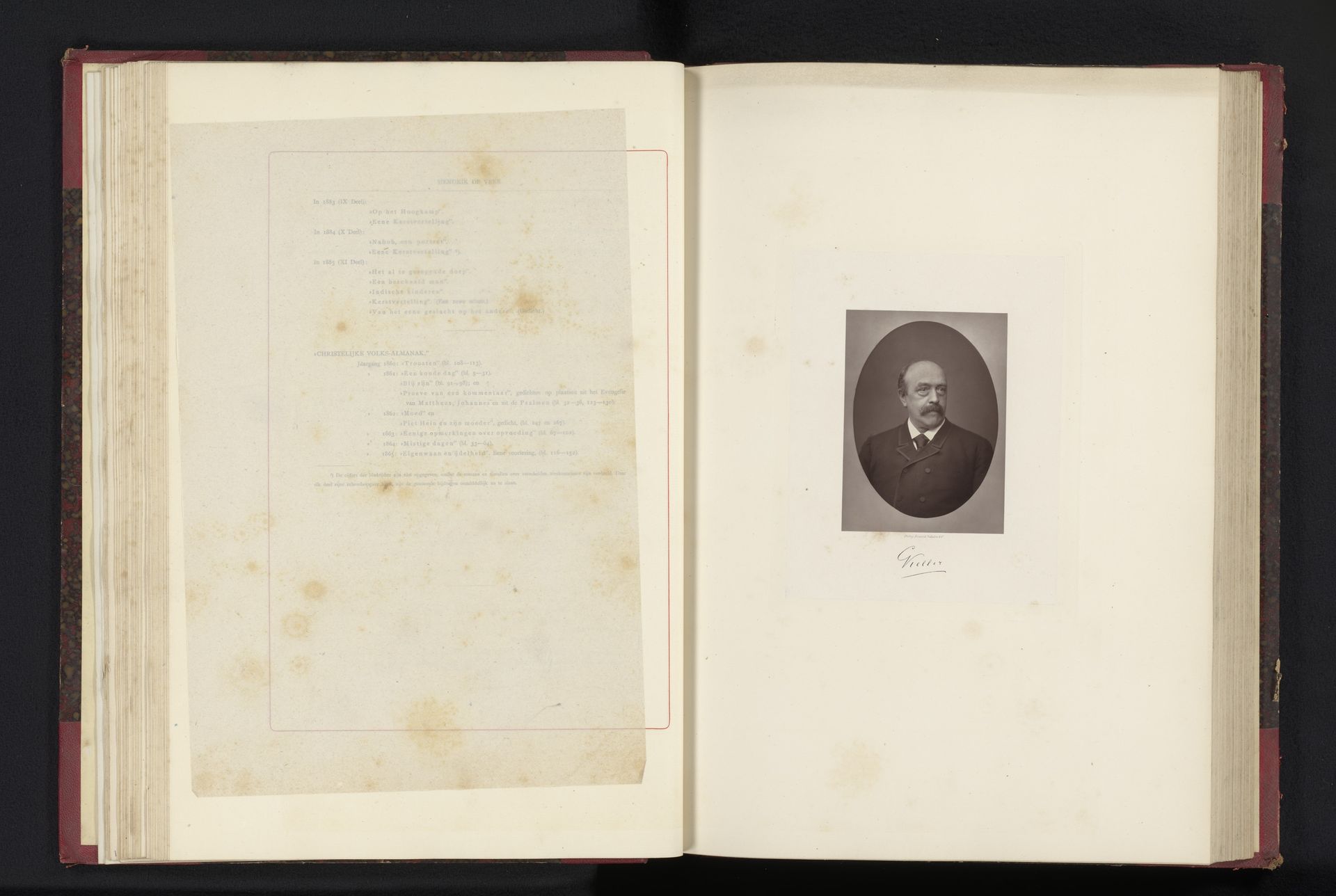
Here is a photographic portrait of Gerard Keller, pasted into an album. Consider this albumen print, the result of a process patented in 1847: a sheet of paper coated with egg white and silver nitrate, exposed to light through a negative, and then carefully fixed. The final print shows a warm sepia tone, the result of the chemical reaction between the silver salts and the organic material. Photography democratized portraiture. Previously, only the wealthy could afford to commission a painting, while a photographic portrait became accessible to a wider public. The rise of commercial photography studios highlights the intersection of art, industry, and consumerism. The photographer, like a factory worker, followed standardized procedures to produce images, yet, a skilled photographer could manipulate light and shadow to create a flattering likeness, transforming the sitter into a work of art. Looking at this image, we must consider how the mass production of images changed our perception of art and representation.