1948
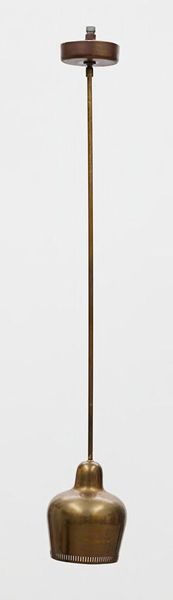
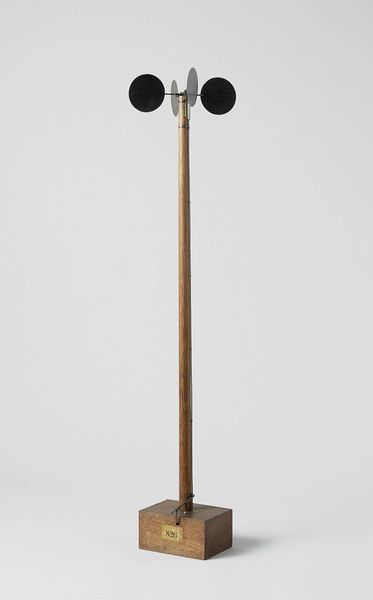
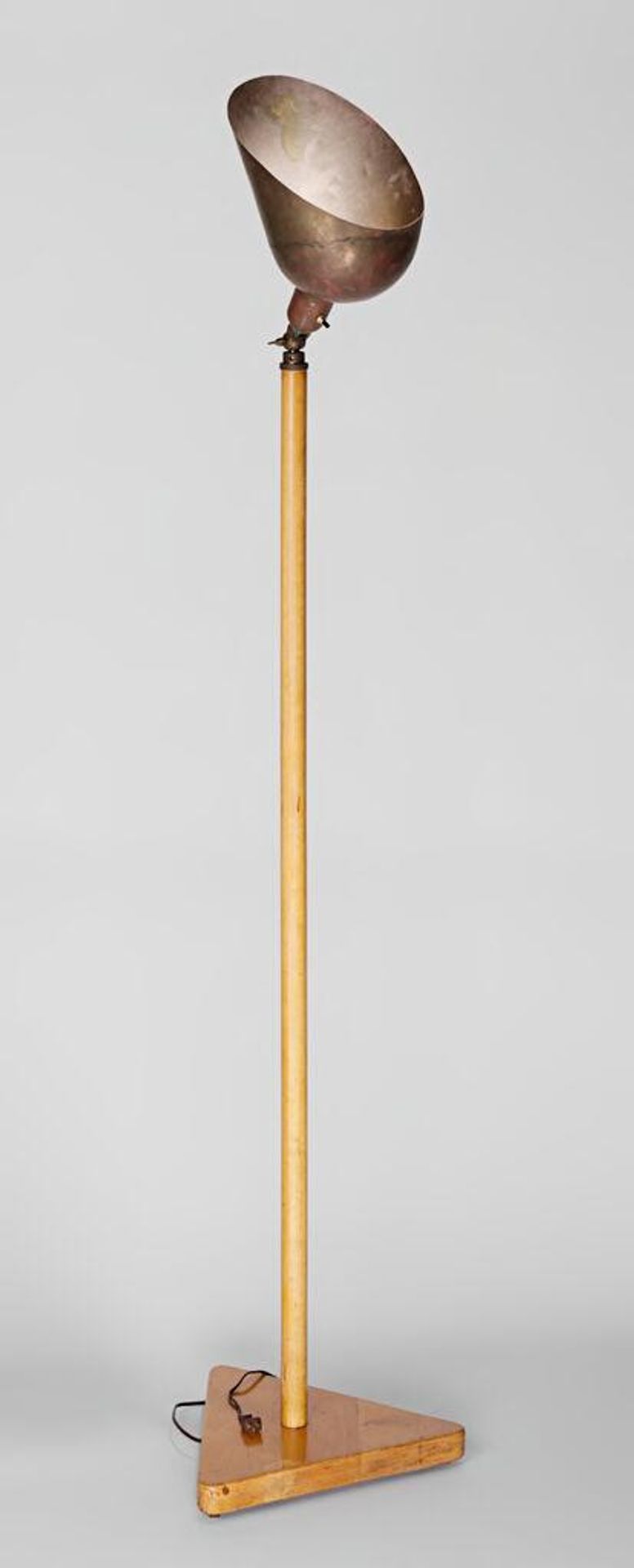
Standing Lamp from Woodberry Poetry Room

Listen to curator's interpretation
Curatorial notes
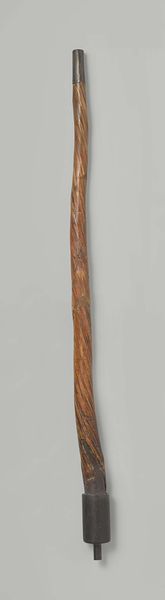
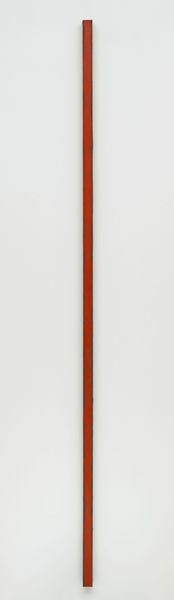
Curator: At first glance, this lamp feels strangely assertive, doesn’t it? There’s something quite direct about its form. Editor: Indeed. The Harvard Art Museums hold this "Standing Lamp from Woodberry Poetry Room," by Alvar Aalto. Its design features a slender wooden stem rising from a triangular base, crowned with a metallic, bowl-shaped shade. Curator: I see echoes of the modernist movement—the simplification of form and functional elegance that speaks to broader social shifts post-war. But the use of wood adds warmth, a softer, organic touch against the machine-age metal. Editor: Absolutely. And it's interesting to think about this lamp within the context of a poetry room. Light as a symbol of knowledge, of illuminating understanding—especially given the importance of access to literature for social mobility. Curator: Light has always been a potent symbol. Think of the Enlightenment, the lamp of reason dispelling shadows. But here, the light is focused, directional—perhaps guiding the reader’s eye, focusing their thoughts? Editor: Or perhaps casting shadows, creating spaces for reflection and interpretation, and acknowledging that engagement with text is not a purely rational act. Curator: A beautiful balance, then, between clarity and the ambiguities of meaning. Editor: It is a reminder that context shapes how we see and understand, and it asks us to consider the politics of illumination.