1683 - 1733
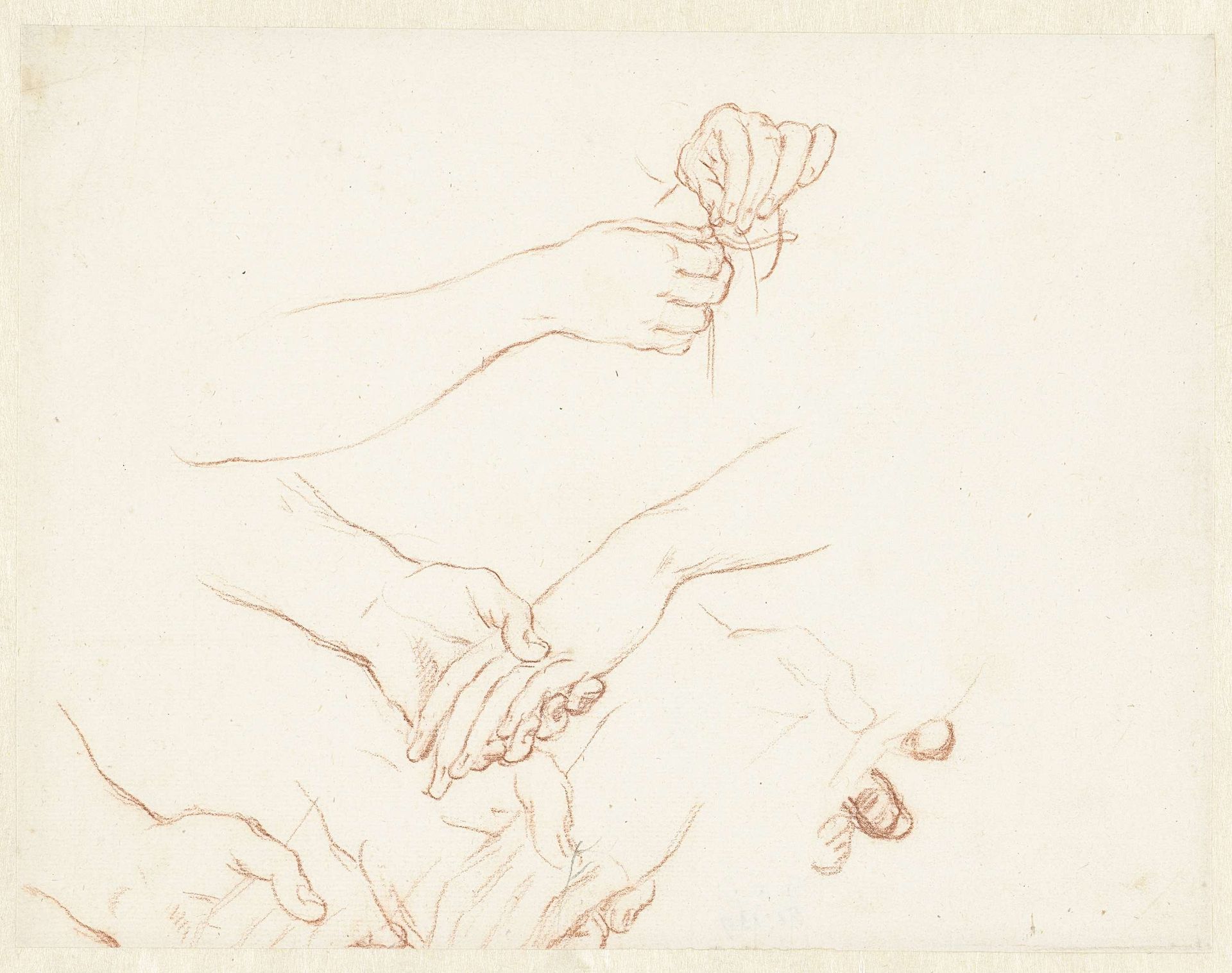
Studies van handen

Bernard Picart
1673 - 1733Location
RijksmuseumListen to curator's interpretation
Curatorial notes
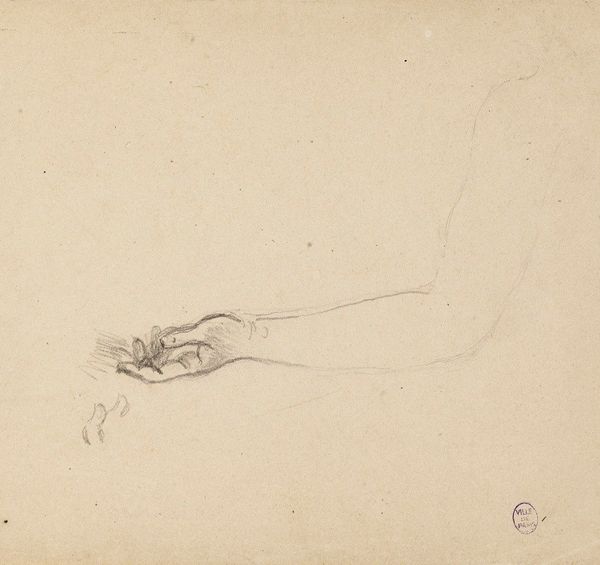
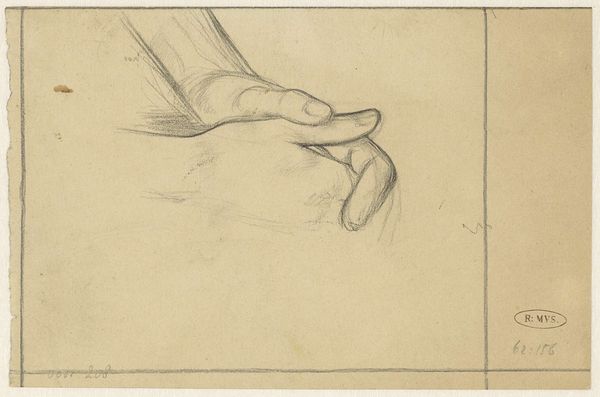
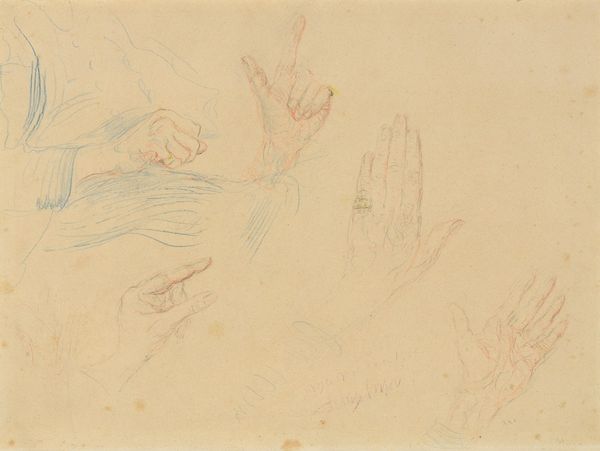
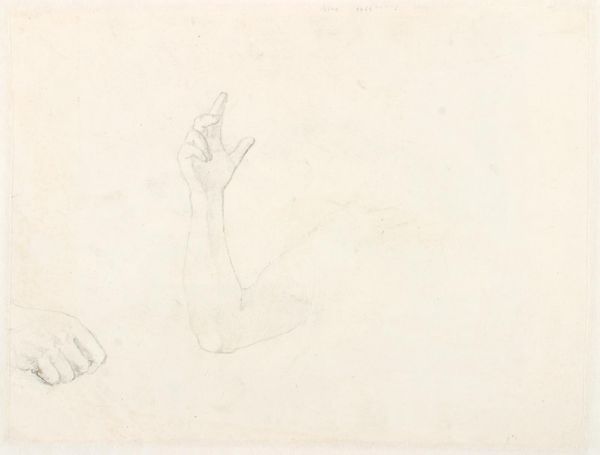
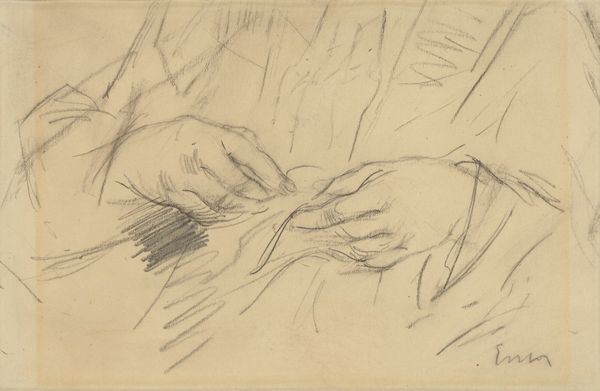
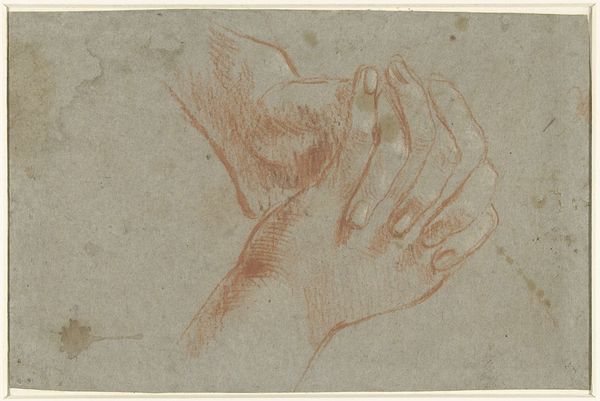
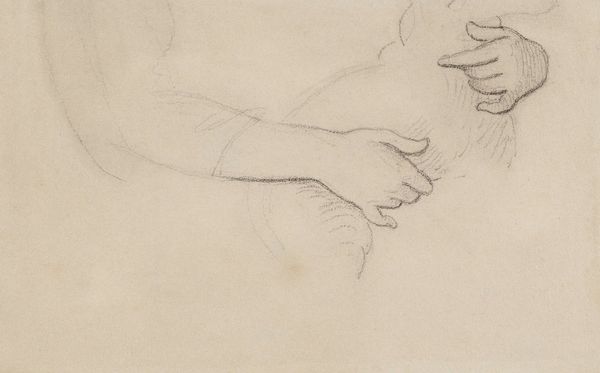
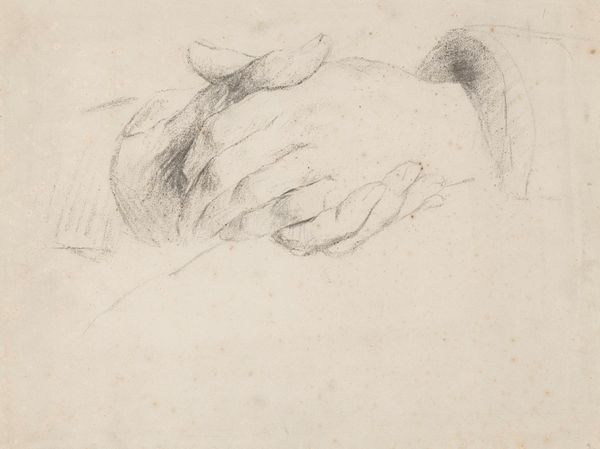
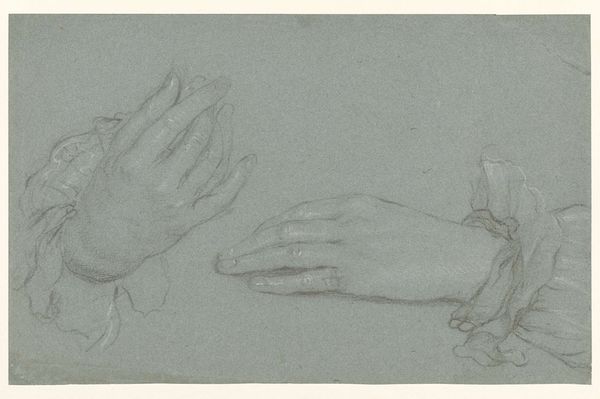
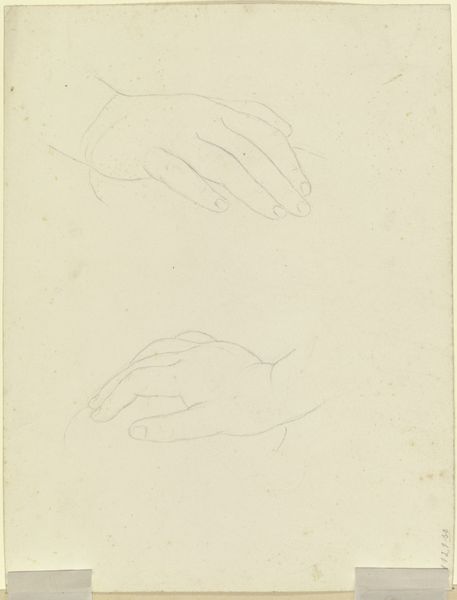
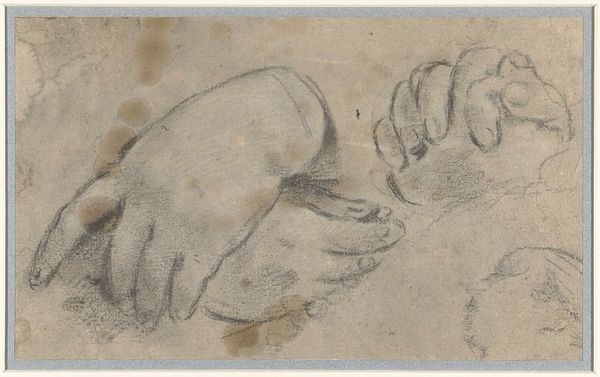
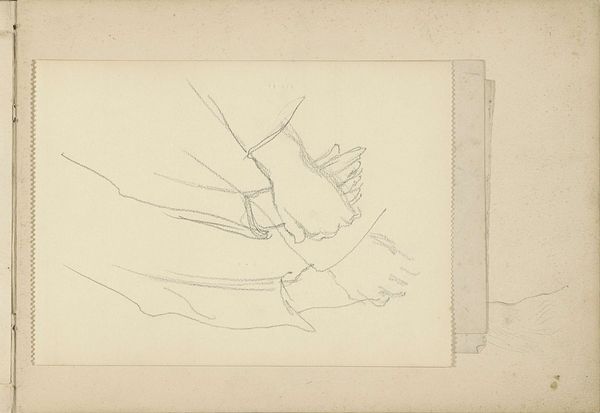
This red chalk drawing titled "Studies van handen" was created by Bernard Picart around the late 17th to early 18th century. Here, Picart captures hands in various actions: the delicate act of threading a needle, the gentle clasp of one hand within another, and the resting hand, fingers slightly curled. The hands are a microcosm of human expression. The motif of clasped hands, for example, can be seen as a symbol of unity and peace. Think of ancient Roman depictions of Concordia, where clasped hands signified harmony and agreement. In a funerary context, clasped hands can represent a final farewell or a bond that transcends death. There's an emotional depth here, too. Hands are our instruments of action, yet they also convey vulnerability, tenderness, and connection. They reveal the artist's close observation and sensitivity to the human form, and his understanding of the ways in which we communicate and interact. The recurring symbol resurfaces with each gesture, evolving with new meaning.