About this artwork
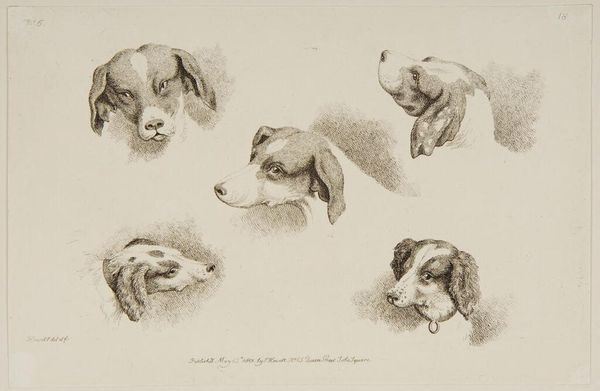
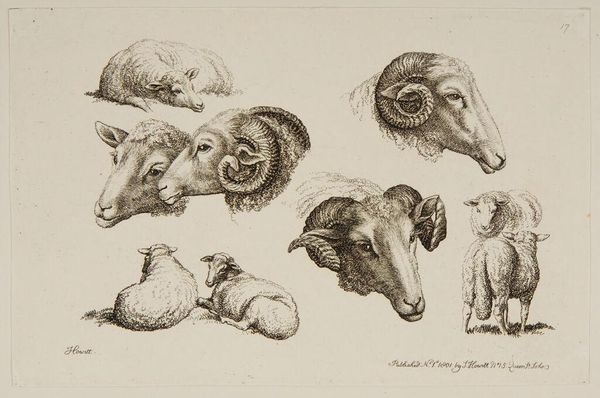
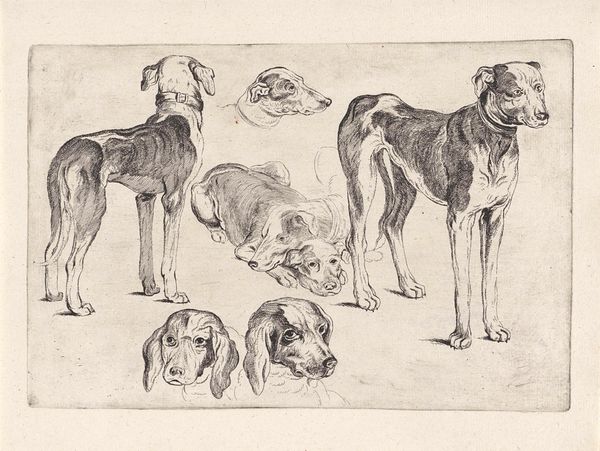
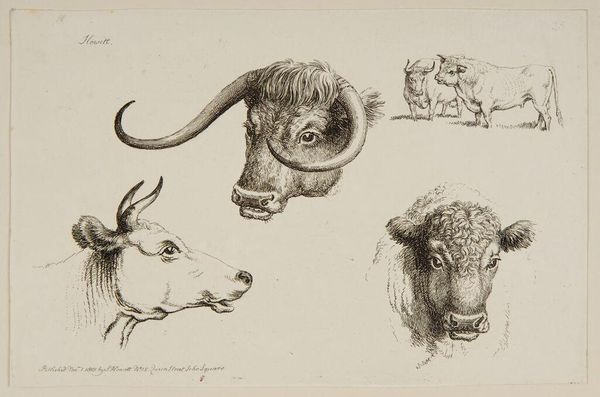
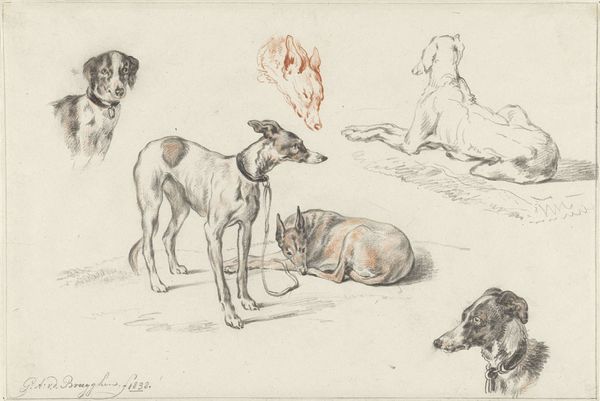
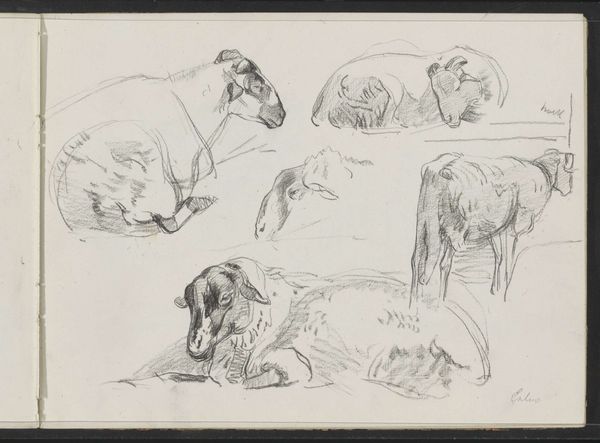
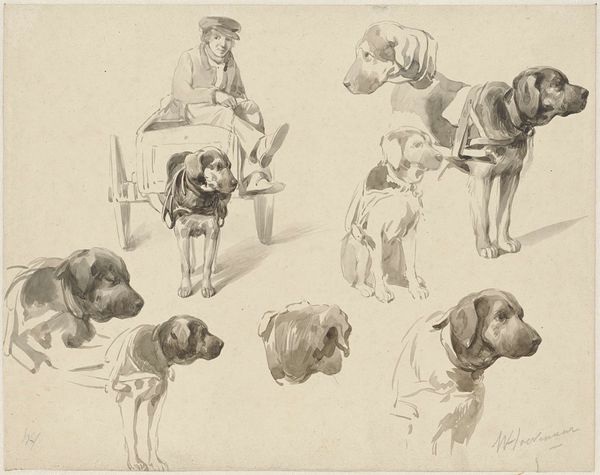
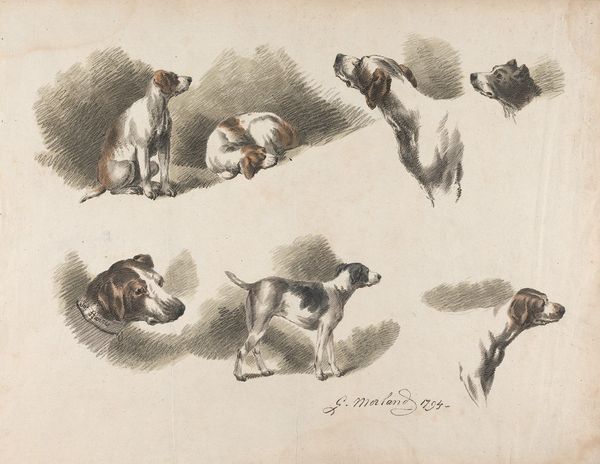
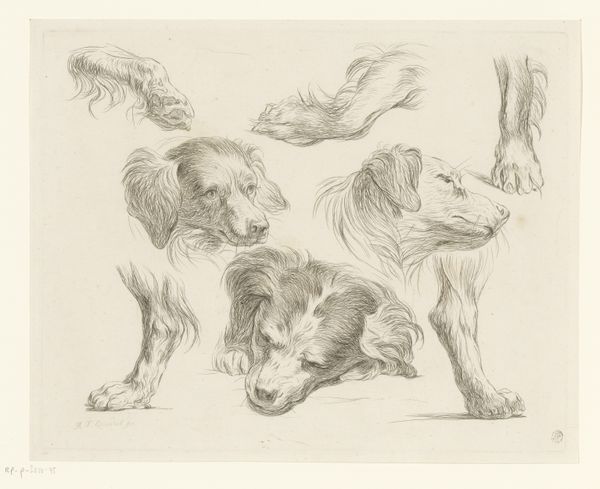
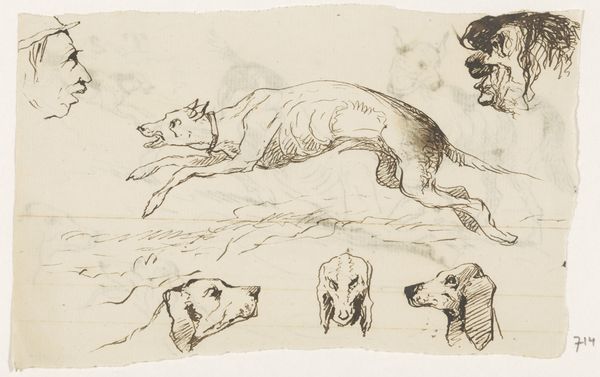
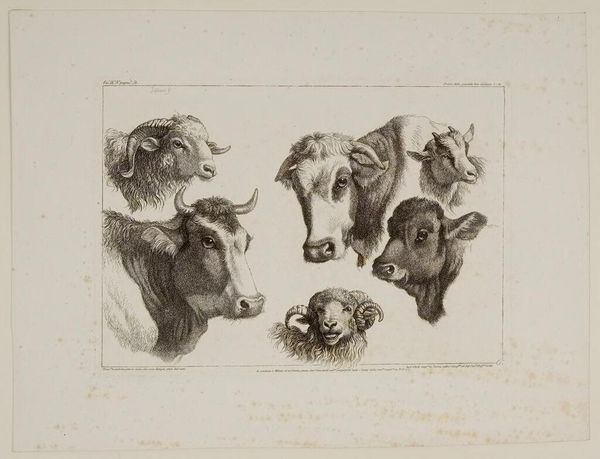
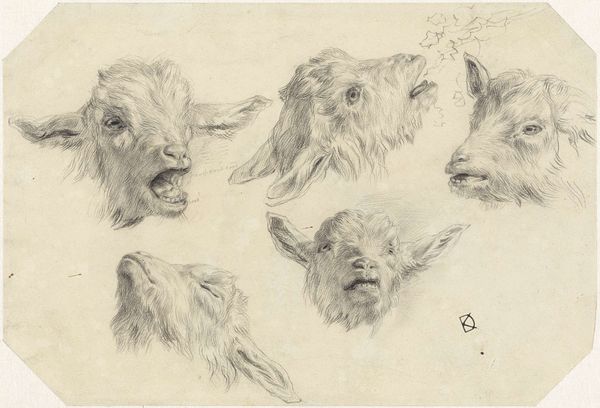
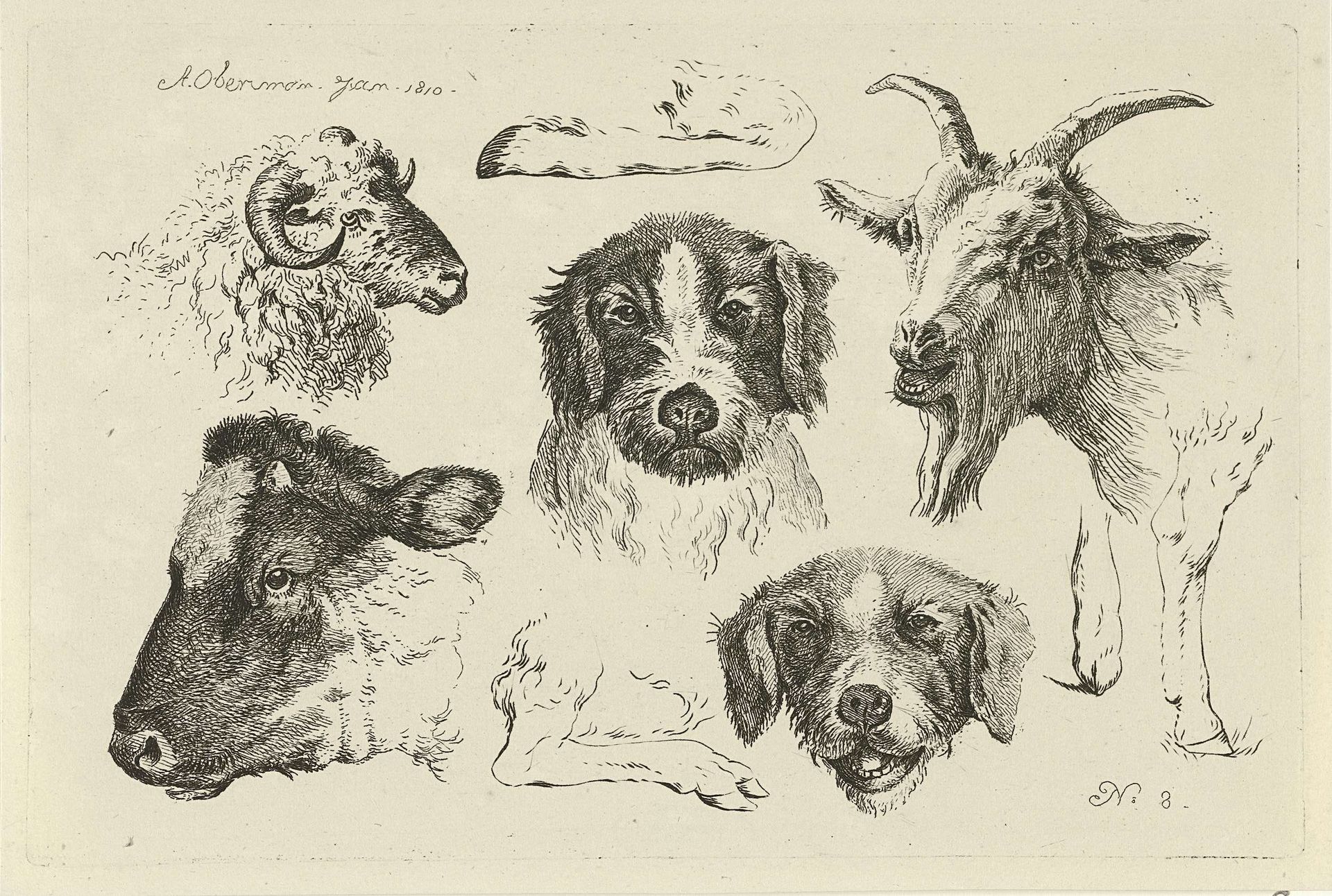
This is Anthony Oberman’s “Dierenkoppen en -poten,” or “Animal Heads and Legs,” an etching made around 1810. Oberman was working during a time of significant social change, with shifts in agricultural practices and an increasing interest in natural history and scientific classification. In this study, Oberman meticulously depicts the heads and limbs of common farm animals, including sheep, goats, cows, and dogs. These were the animals that shaped the agrarian existence of much of the Netherlands at the time. Rendered with scientific precision, the animals embody both a familiar and a more clinical gaze. Oberman’s etching captures a moment when these creatures were transitioning from being essential partners in human labor to subjects of scientific and aesthetic interest. The detailed rendering invites a moment to reflect on how we perceive animals, how they function in both the natural world and the social imagination, and how these animals’ identities are constructed and represented through art.

Artwork details
- Medium
- drawing, paper, ink
- Dimensions
- height 114 mm, width 172 mm
- Location
- Rijksmuseum
- Copyright
- Rijks Museum: Open Domain
Tags
Comments
Share your thoughts
About this artwork
This is Anthony Oberman’s “Dierenkoppen en -poten,” or “Animal Heads and Legs,” an etching made around 1810. Oberman was working during a time of significant social change, with shifts in agricultural practices and an increasing interest in natural history and scientific classification. In this study, Oberman meticulously depicts the heads and limbs of common farm animals, including sheep, goats, cows, and dogs. These were the animals that shaped the agrarian existence of much of the Netherlands at the time. Rendered with scientific precision, the animals embody both a familiar and a more clinical gaze. Oberman’s etching captures a moment when these creatures were transitioning from being essential partners in human labor to subjects of scientific and aesthetic interest. The detailed rendering invites a moment to reflect on how we perceive animals, how they function in both the natural world and the social imagination, and how these animals’ identities are constructed and represented through art.
Comments
Share your thoughts