About this artwork
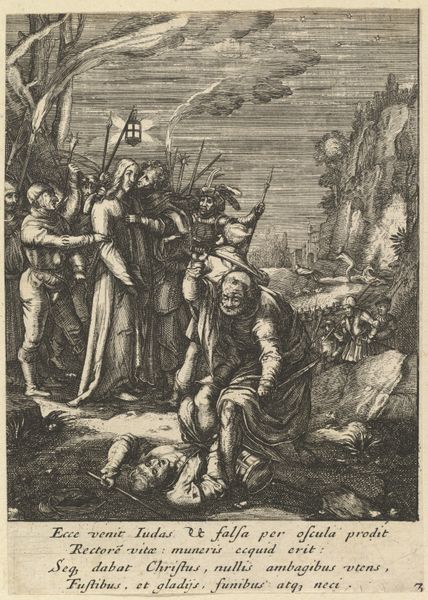
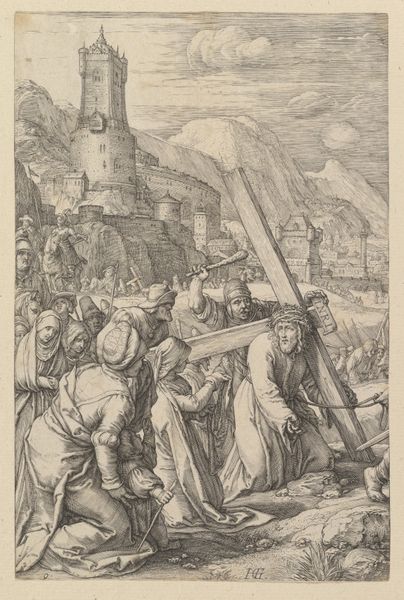
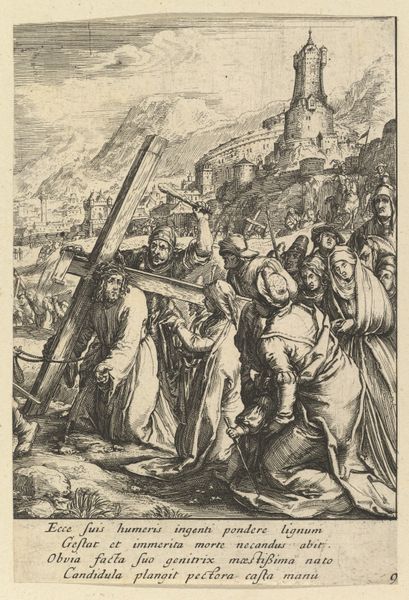
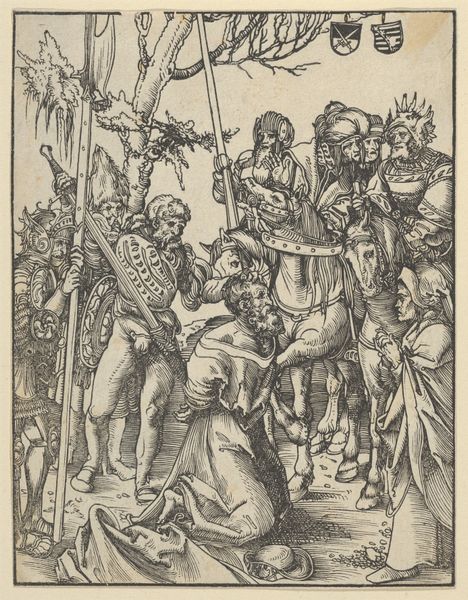
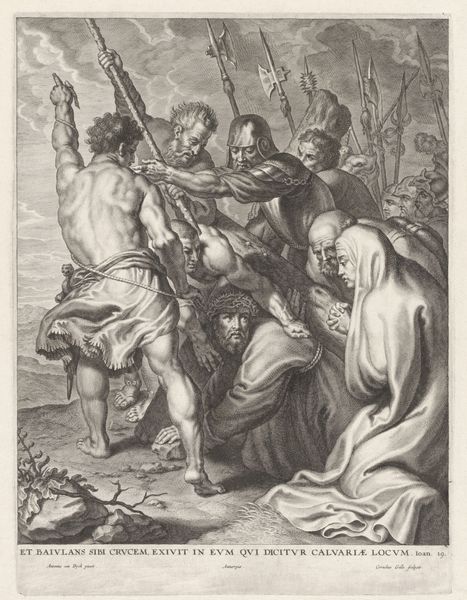
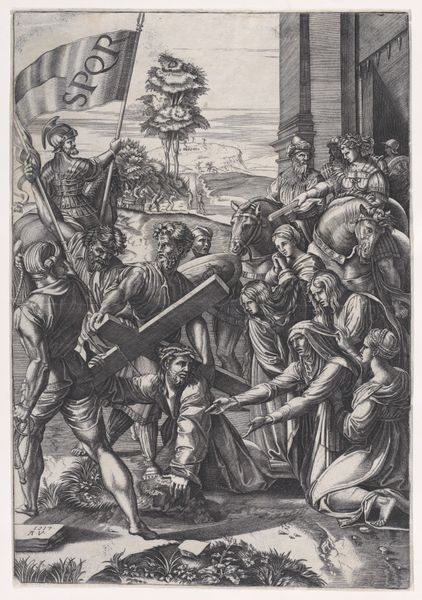
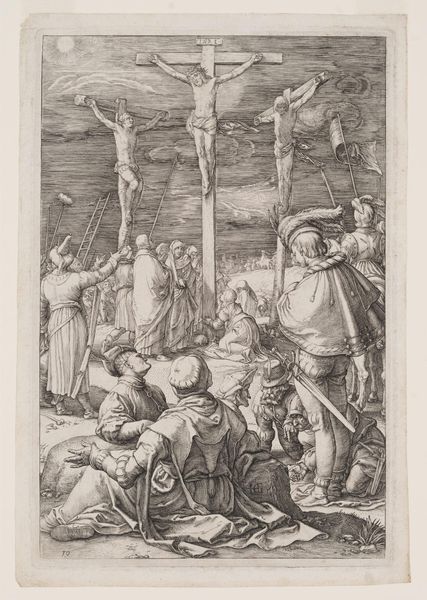
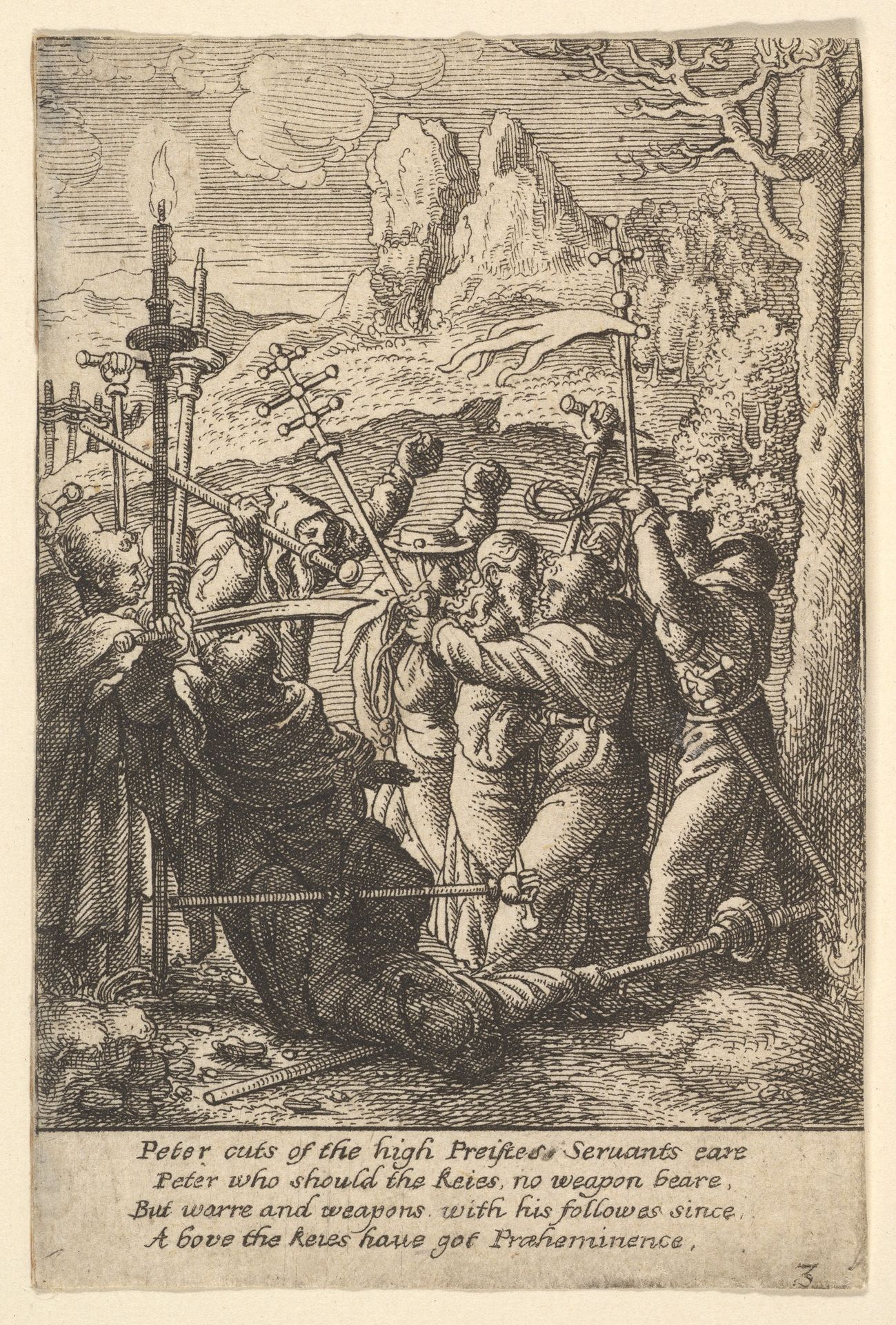
Wenceslaus Hollar etched "Jesus Taken," capturing a pivotal biblical moment with charged symbolism. Here, weapons and instruments of violence dominate the scene as a mob surrounds Jesus. Torches and staffs bearing crosses cast long shadows, distorting traditional symbols of faith into implements of aggression. The image's power lies in its inversion of sacred symbols. Crosses, typically emblems of salvation, here become tools of oppression. It reminds me of similar inversions across cultures where religious symbols are co-opted for violence. The swastika, for example, once a symbol of well-being, was twisted into a signifier of hate. This manipulation evokes deep psychological unease. Our collective memory associates certain images with hope and redemption. When these are contorted into emblems of cruelty, it stirs a profound sense of betrayal. This primal tension engages viewers on a visceral level, reminding us of the cyclical nature of history, where symbols are continually reinterpreted and repurposed.
Jesus taken
1644 - 1652


Artwork details
- Medium
- drawing, print, engraving
- Dimensions
- Sheet: 3 9/16 × 2 3/8 in. (9 × 6 cm)
- Location
- Metropolitan Museum of Art, New York, NY
- Copyright
- Public Domain
Tags
drawing
baroque
figuration
history-painting
engraving
christ
Comments
Be the first to share your thoughts about this work.
About this artwork
Wenceslaus Hollar etched "Jesus Taken," capturing a pivotal biblical moment with charged symbolism. Here, weapons and instruments of violence dominate the scene as a mob surrounds Jesus. Torches and staffs bearing crosses cast long shadows, distorting traditional symbols of faith into implements of aggression. The image's power lies in its inversion of sacred symbols. Crosses, typically emblems of salvation, here become tools of oppression. It reminds me of similar inversions across cultures where religious symbols are co-opted for violence. The swastika, for example, once a symbol of well-being, was twisted into a signifier of hate. This manipulation evokes deep psychological unease. Our collective memory associates certain images with hope and redemption. When these are contorted into emblems of cruelty, it stirs a profound sense of betrayal. This primal tension engages viewers on a visceral level, reminding us of the cyclical nature of history, where symbols are continually reinterpreted and repurposed.
Comments
Be the first to share your thoughts about this work.