About this artwork
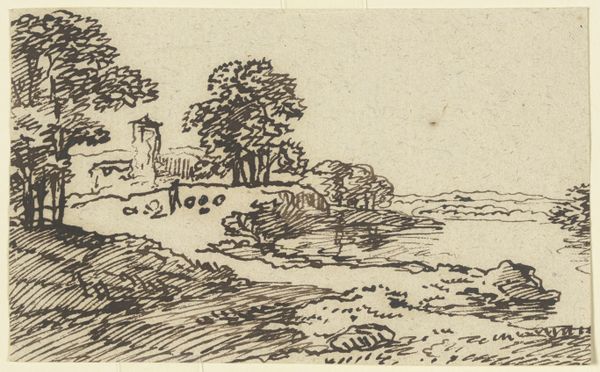
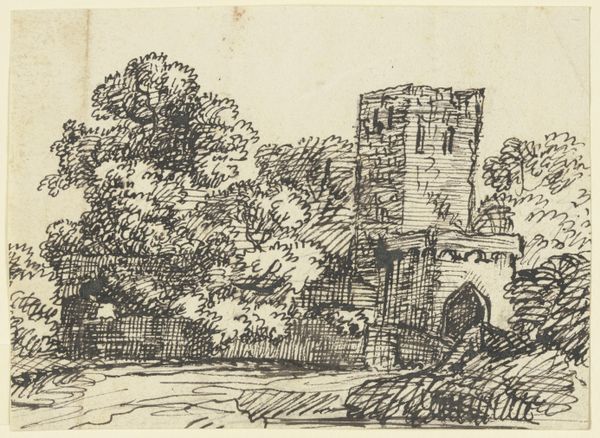
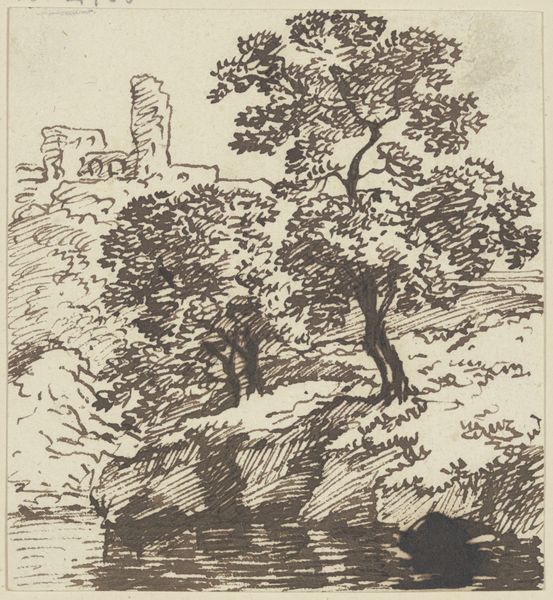
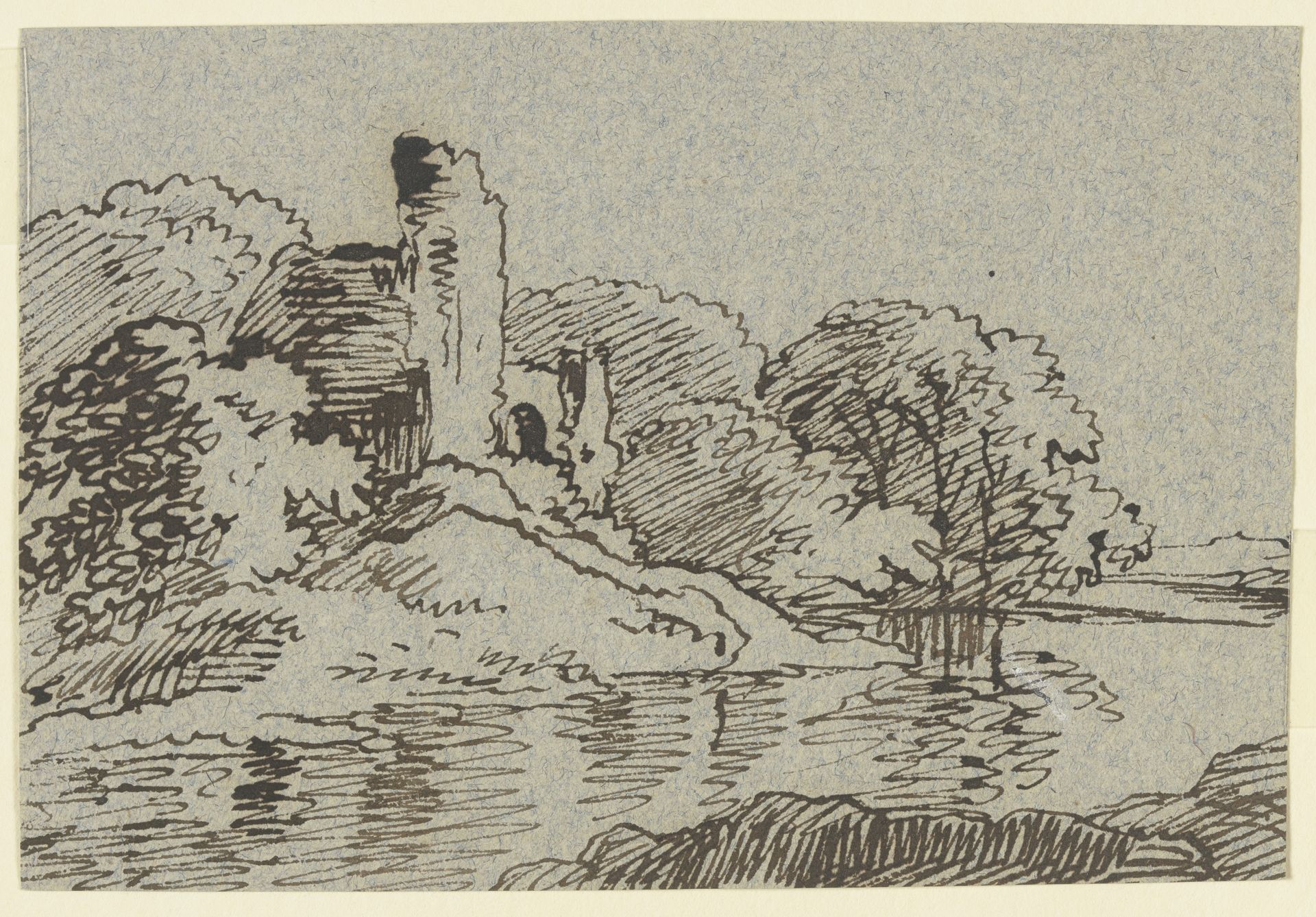
Franz Kobell created this drawing, “Ruins on a Water,” sometime between the late 18th and early 19th centuries. Kobell, living through the Enlightenment and the rise of Romanticism, shows us more than just a scene; he offers a glimpse into the era's complex relationship with history and nature. The ruin sits nestled between trees, a fragment of a past age. This image resonates with Romanticism's fascination for ruins, symbols of time's passage and the transience of human achievement. Kobell seems less interested in the specifics of the ruin and more in its atmosphere. There's a quiet melancholy to this scene, an invitation to contemplate what was and what remains. The ruin also invites reflection on the relationship between nature and culture, where nature quietly reclaims human structures, reminding us of time’s power.


Artwork details
- Medium
- drawing, plein-air, paper, ink
- Location
- Städel Museum
- Copyright
- Public Domain
Tags
drawing
pen sketch
plein-air
landscape
paper
ink
sketch
romanticism
line
Comments
No comments
About this artwork
Franz Kobell created this drawing, “Ruins on a Water,” sometime between the late 18th and early 19th centuries. Kobell, living through the Enlightenment and the rise of Romanticism, shows us more than just a scene; he offers a glimpse into the era's complex relationship with history and nature. The ruin sits nestled between trees, a fragment of a past age. This image resonates with Romanticism's fascination for ruins, symbols of time's passage and the transience of human achievement. Kobell seems less interested in the specifics of the ruin and more in its atmosphere. There's a quiet melancholy to this scene, an invitation to contemplate what was and what remains. The ruin also invites reflection on the relationship between nature and culture, where nature quietly reclaims human structures, reminding us of time’s power.
Comments
No comments