About this artwork
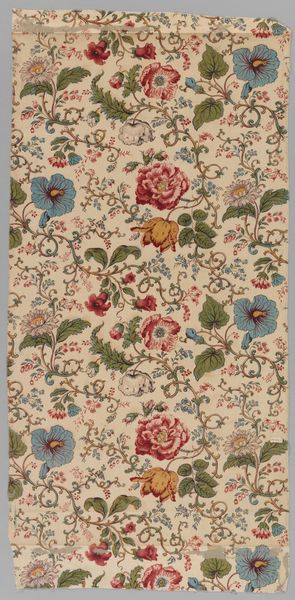
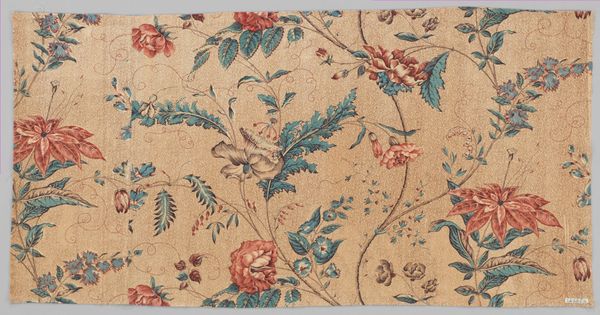
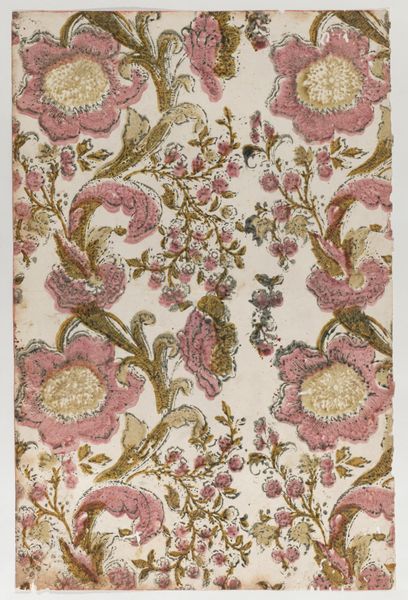
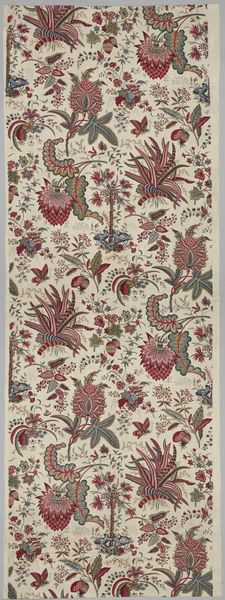
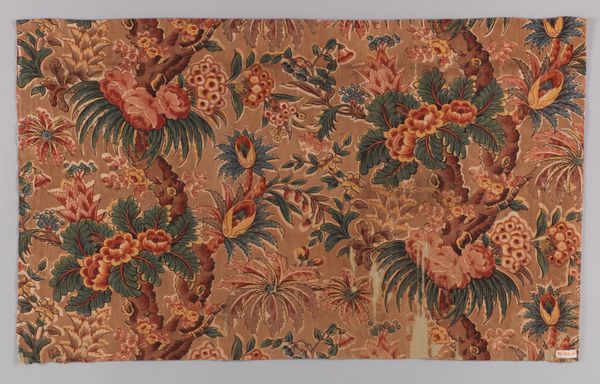
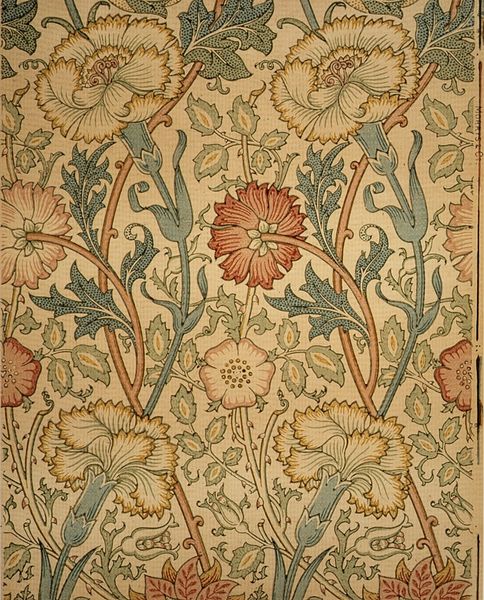
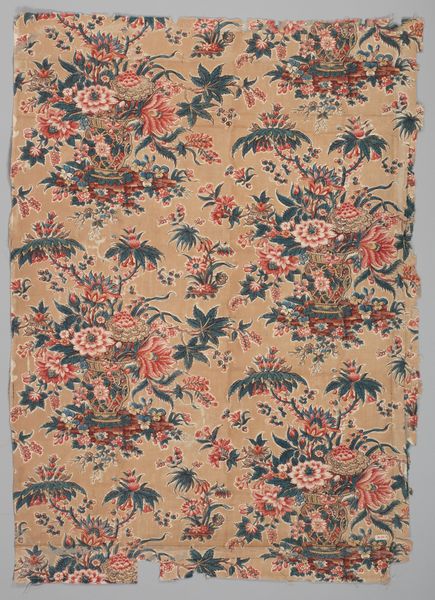
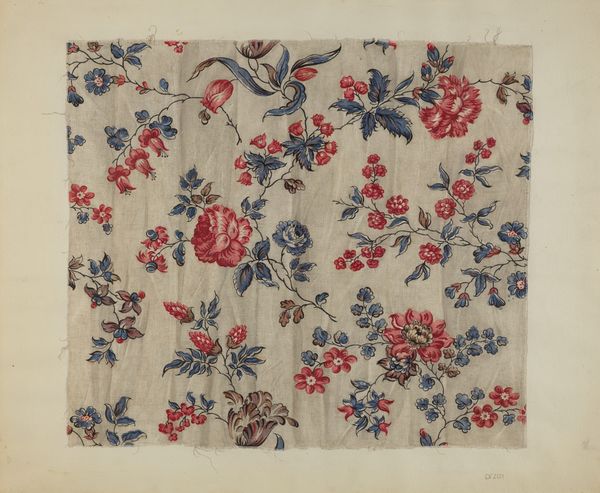
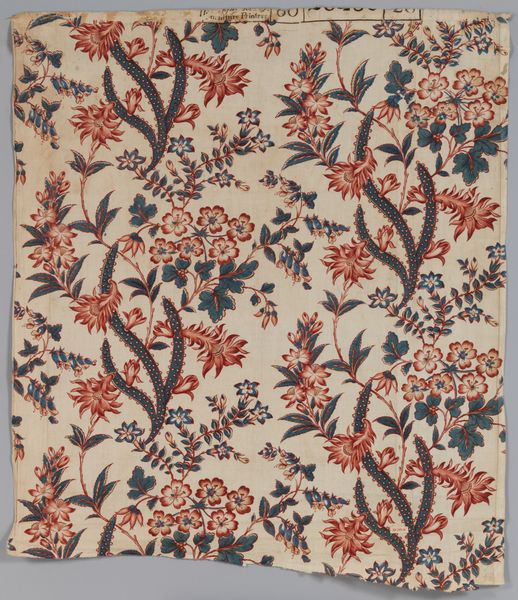
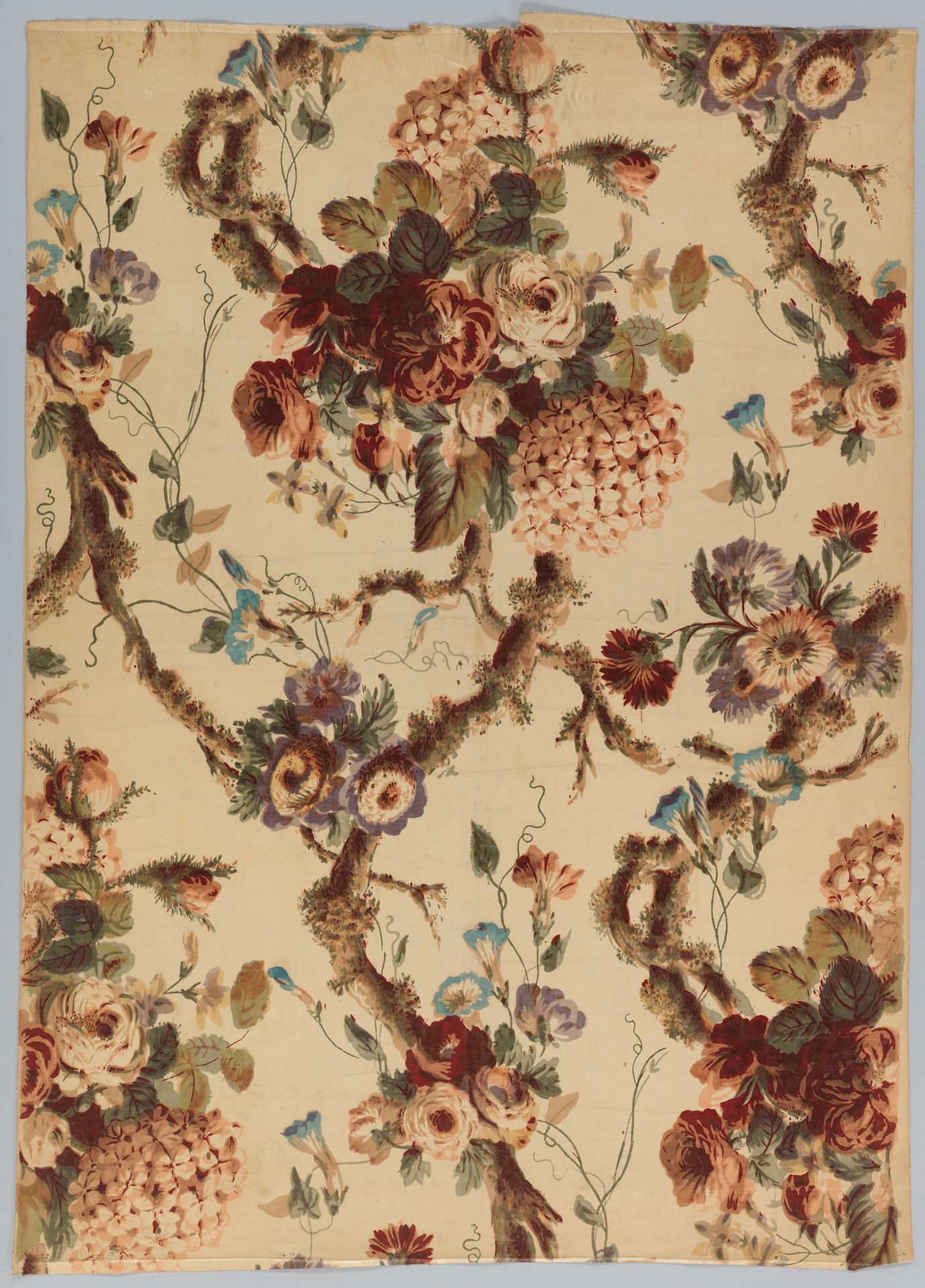
This textile panel by the Stinton Bros. presents a lush array of flora, predominantly roses, rendered in soft, muted tones. The composition is a dance between nature and artifice, a theme deeply rooted in our collective psyche. The rose, a symbol of love and beauty, has adorned art since antiquity. From the frescoes of Pompeii to Renaissance portraits, its presence is a constant reminder of the ephemeral nature of beauty and the enduring power of love. Notice how the roses are intertwined with gnarled branches. This juxtaposition evokes the 'horror vacui', the primal fear of emptiness that drives us to fill every space with meaning. The cyclical nature of the seasons, the endless return of the rose, speaks to our subconscious understanding of time and mortality. The motifs are not static; they resurface, evolve, and take on new meanings, engaging us in a dialogue that transcends centuries.
Piece
1851 - 1872
Artwork details
- Medium
- print, textile, paper, sculpture
- Dimensions
- L. 35 x W. 24 1/2 inches 88.9 x 62.2 cm
- Location
- Metropolitan Museum of Art, New York, NY
- Copyright
- Public Domain
Tags
Comments
Share your thoughts
About this artwork
This textile panel by the Stinton Bros. presents a lush array of flora, predominantly roses, rendered in soft, muted tones. The composition is a dance between nature and artifice, a theme deeply rooted in our collective psyche. The rose, a symbol of love and beauty, has adorned art since antiquity. From the frescoes of Pompeii to Renaissance portraits, its presence is a constant reminder of the ephemeral nature of beauty and the enduring power of love. Notice how the roses are intertwined with gnarled branches. This juxtaposition evokes the 'horror vacui', the primal fear of emptiness that drives us to fill every space with meaning. The cyclical nature of the seasons, the endless return of the rose, speaks to our subconscious understanding of time and mortality. The motifs are not static; they resurface, evolve, and take on new meanings, engaging us in a dialogue that transcends centuries.
Comments
Share your thoughts