1860s
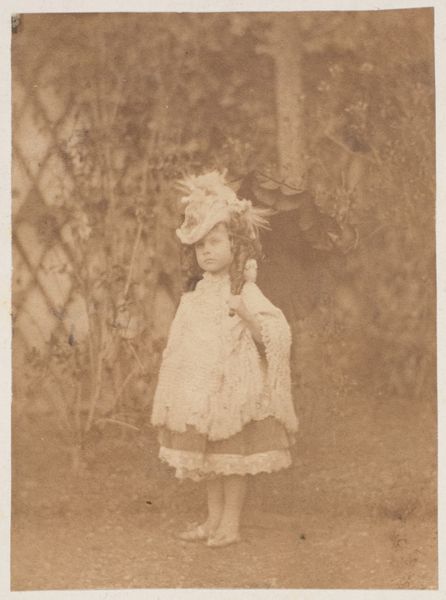
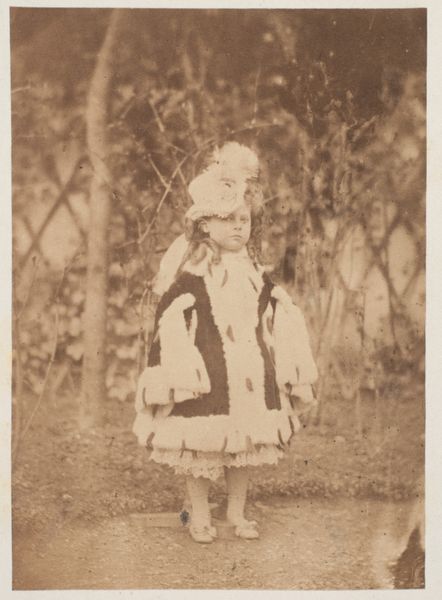
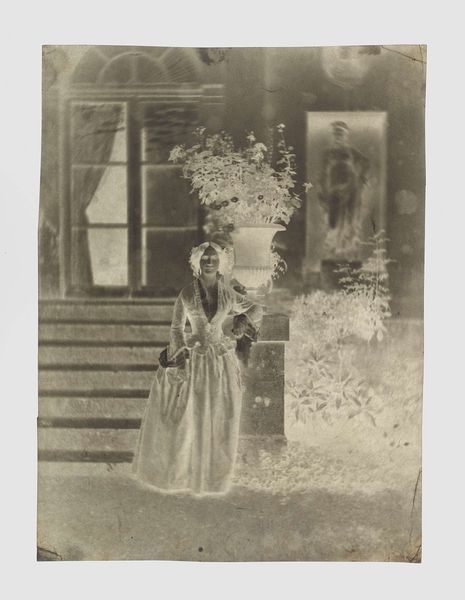
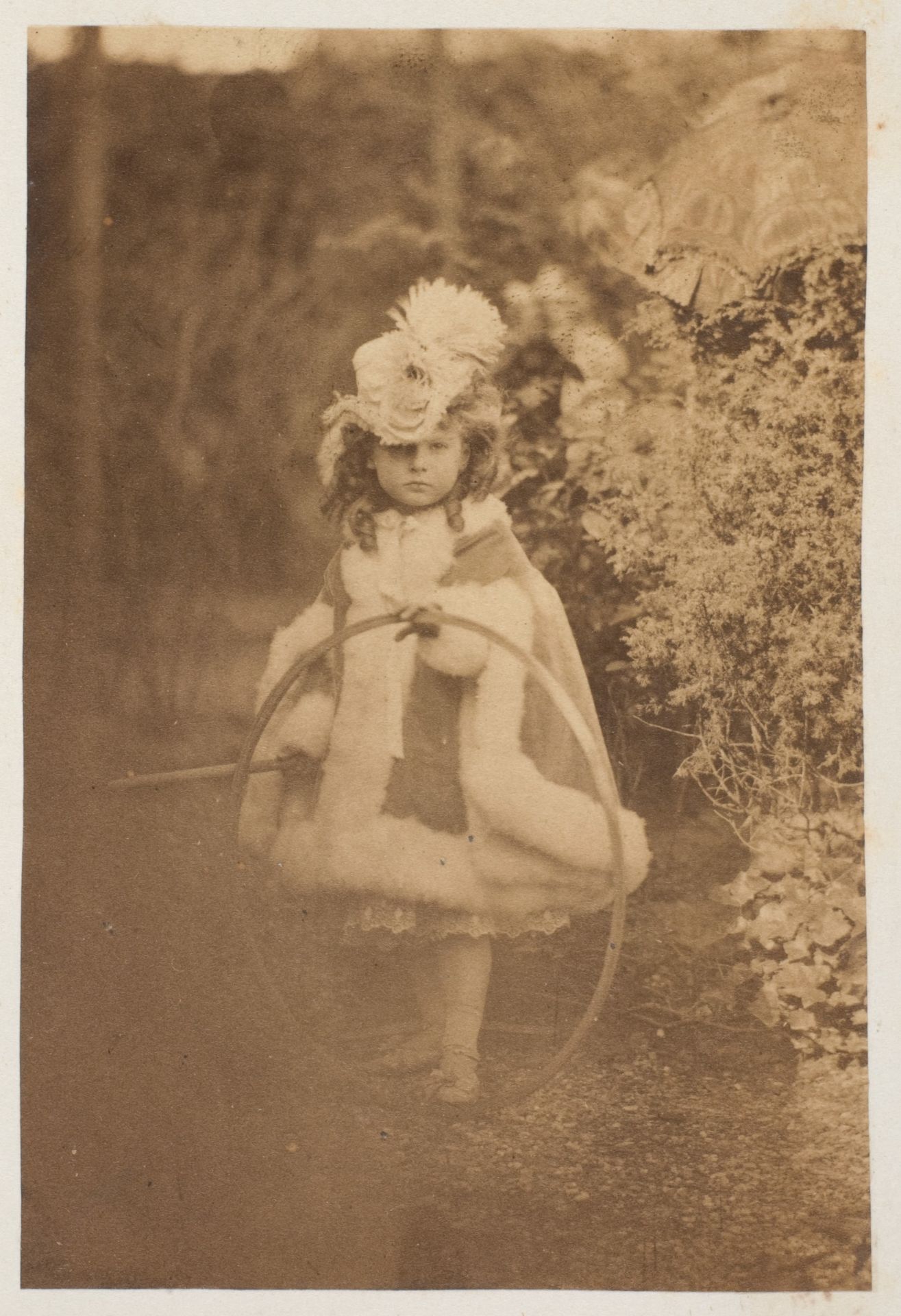
La fouriure

Pierre-Louis Pierson
1822 - 1913
The Metropolitan Museum of Art
Metropolitan Museum of Art, New York, NYListen to curator's interpretation
Curatorial notes
This albumen print was made by Pierre-Louis Pierson sometime in the late 19th century. Albumen printing was the first commercially exploitable method of producing a photographic print on paper. It involves coating a sheet of paper with egg white and then using it to capture an image from a negative. In “La fouriure,” the image is soft, even hazy, and rendered in a warm sepia tone. This is due to the use of albumen, which gives a unique visual texture, very different than modern photographic prints. The tones are soft, like velvet. This would have been a laborious process, requiring time and skill to produce. This image is not merely a record, it's a carefully crafted presentation. Consider the amount of labor that went into the process, from preparing the materials to staging the shot. In this context, we can understand the photograph as a material artifact, which speaks to the historical moment from which it emerged. It reminds us that images are always made, not just taken.