1784 - 1813
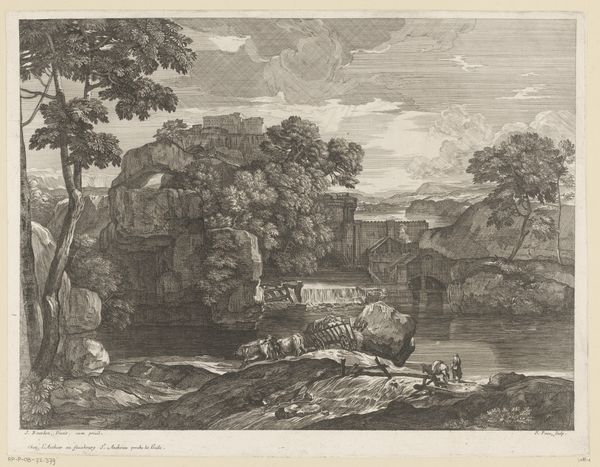
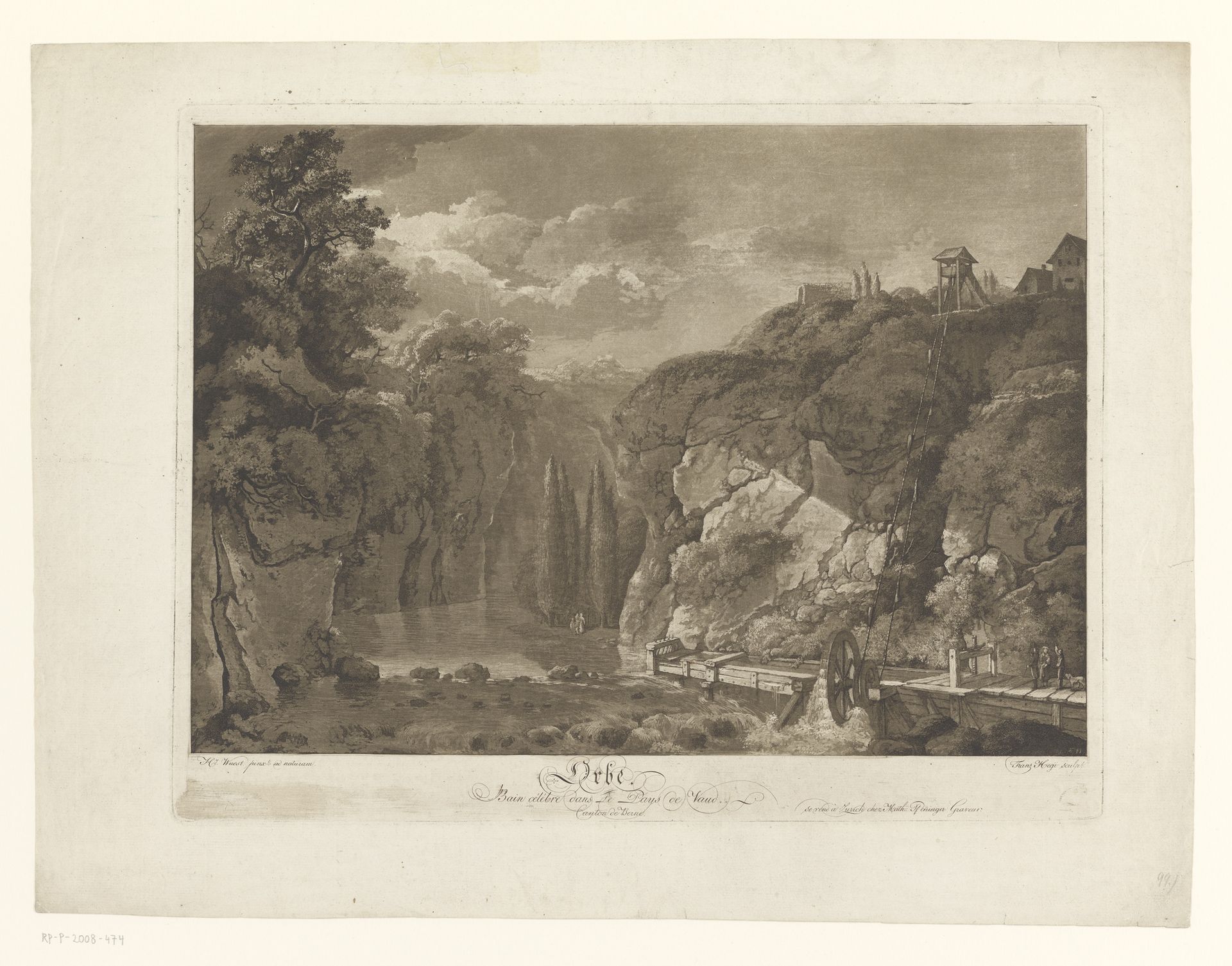
Rotsachtig landschap met waterrad bij een stuwmeer

Franz Hegi
1774 - 1850Location
RijksmuseumListen to curator's interpretation
Curatorial notes
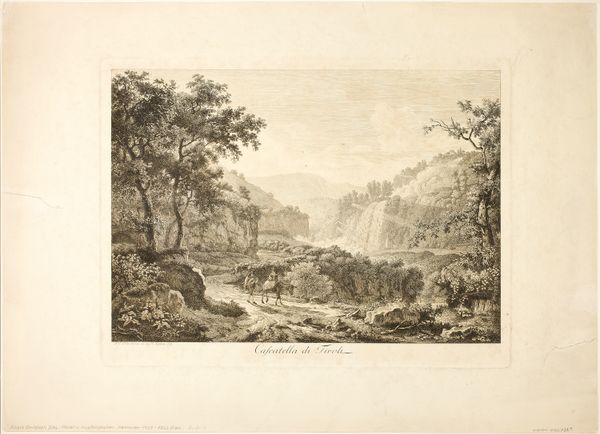
Franz Hegi made this print of a rocky landscape with a watermill at a reservoir, but the date is unknown. The print is an example of how artists began to depict the natural world alongside signs of industrialization. This image creates meaning through visual cues. It presents a romanticized view of industrial progress during the late 18th and early 19th centuries. The watermill is integrated seamlessly into the natural landscape, suggesting a harmonious relationship between man and nature. This idealized view contrasts with the often harsh realities of early industrialization, like pollution and social displacement. It also reflects a broader cultural fascination with picturesque landscapes, appealing to the tastes of the growing middle class who sought beauty and tranquility in nature. To truly understand the cultural and historical context of this artwork, resources such as period writings on industrialization, travelogues, and social histories can give us an insight into the complex relationship between nature and industry during Hegi's time.