About this artwork
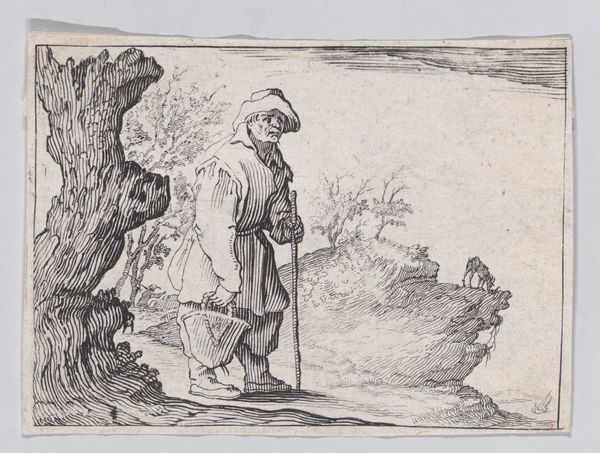
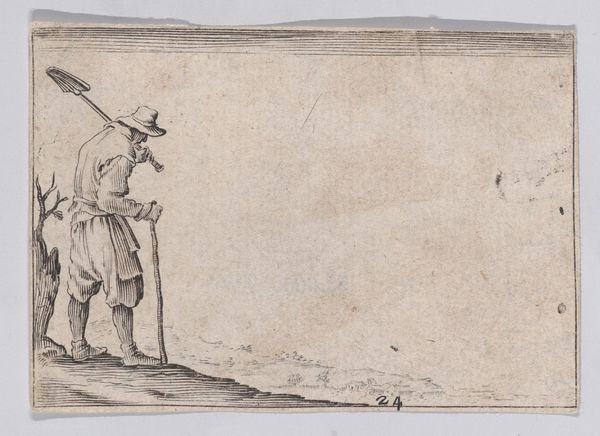
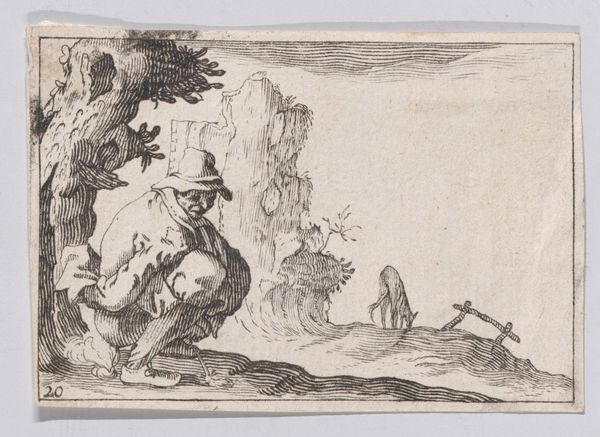
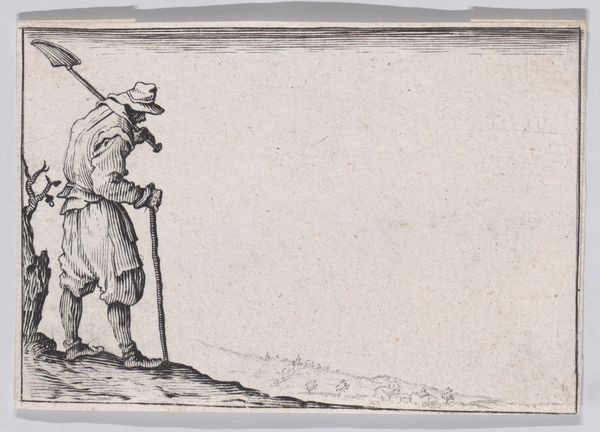
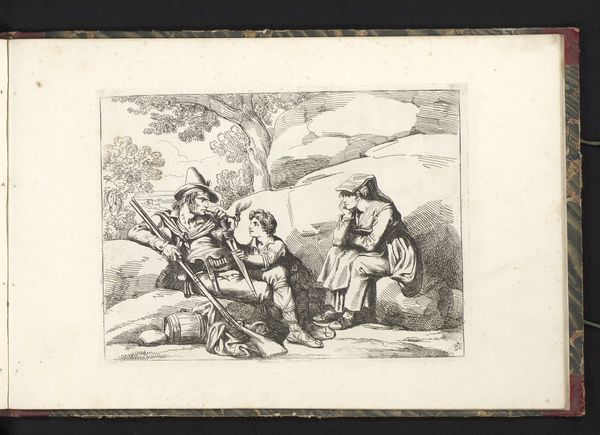
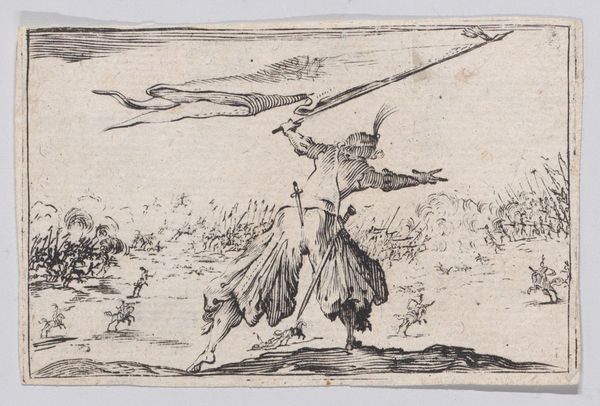
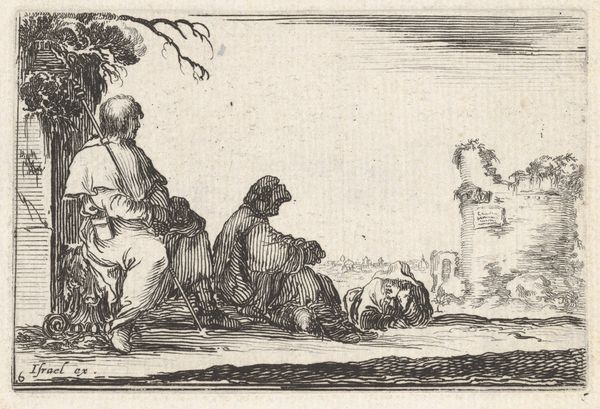
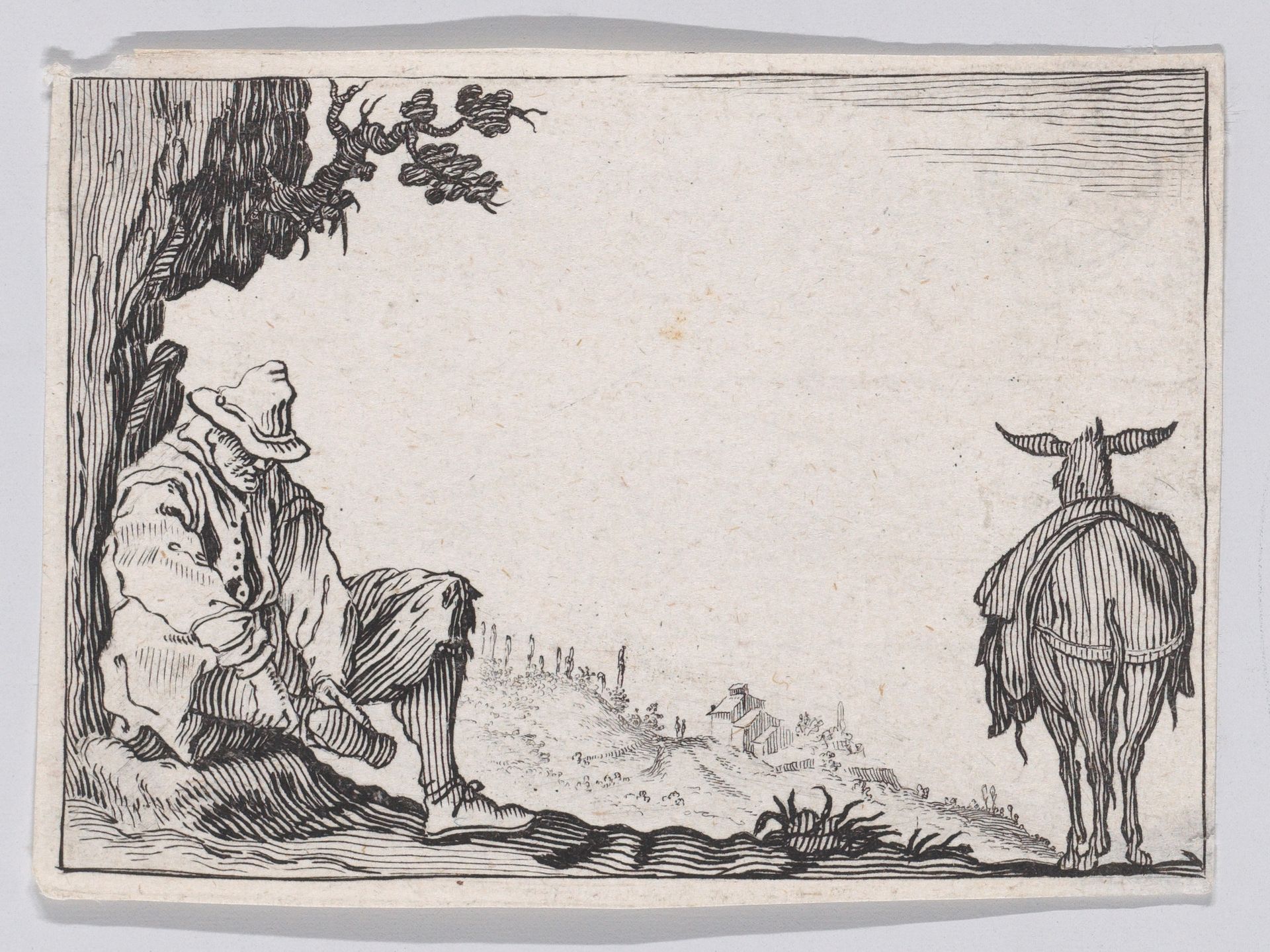
This reverse copy of ‘La Paysant se Déchaussant’ is one from a series of etchings titled ‘Les Caprices’. The original was most likely made in Italy, in the 17th or 18th century, which was a period of immense social change and artistic development. The image depicts a peasant removing his shoes, accompanied by his donkey, who is carrying a load on its back. This scene evokes the everyday life of the working class and their connection to the land. The artist uses fine lines and shading to create depth and texture, inviting us to imagine the feel of rough clothing or the weight of the donkey’s burden. It's interesting to consider the setting in which this work would have been viewed. Was it intended for private contemplation or public display? How did the prevailing social attitudes towards the lower classes influence its reception? An art historian can consult period documents, such as letters, diaries, and official records, to piece together the complex social context of the artwork.
Reverse Copy of La Paysant se Déchaussant (The Peasant Taking off his Shoes), from "Les Caprices" Series A, The Florence Set
1620 - 1700


Artwork details
- Medium
- drawing, print, etching, engraving
- Dimensions
- Sheet: 2 5/16 x 3 1/4 in. (5.8 x 8.2 cm)
- Location
- Metropolitan Museum of Art, New York, NY
- Copyright
- Public Domain
Tags
Comments
Share your thoughts
About this artwork
This reverse copy of ‘La Paysant se Déchaussant’ is one from a series of etchings titled ‘Les Caprices’. The original was most likely made in Italy, in the 17th or 18th century, which was a period of immense social change and artistic development. The image depicts a peasant removing his shoes, accompanied by his donkey, who is carrying a load on its back. This scene evokes the everyday life of the working class and their connection to the land. The artist uses fine lines and shading to create depth and texture, inviting us to imagine the feel of rough clothing or the weight of the donkey’s burden. It's interesting to consider the setting in which this work would have been viewed. Was it intended for private contemplation or public display? How did the prevailing social attitudes towards the lower classes influence its reception? An art historian can consult period documents, such as letters, diaries, and official records, to piece together the complex social context of the artwork.
Comments
Share your thoughts