1850 - 1880
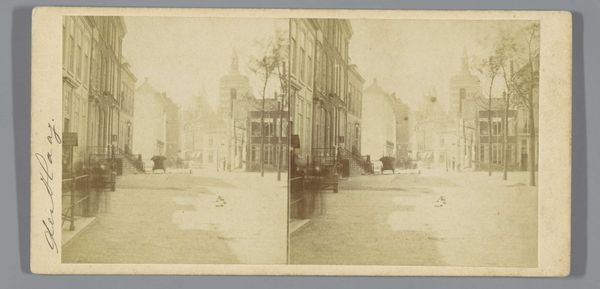
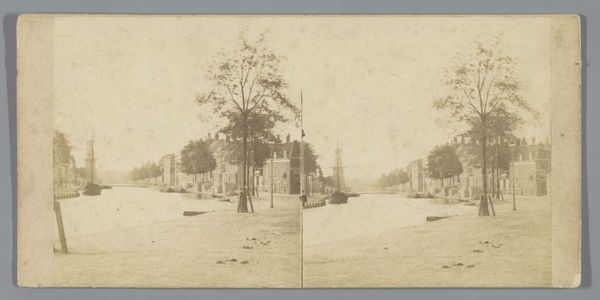
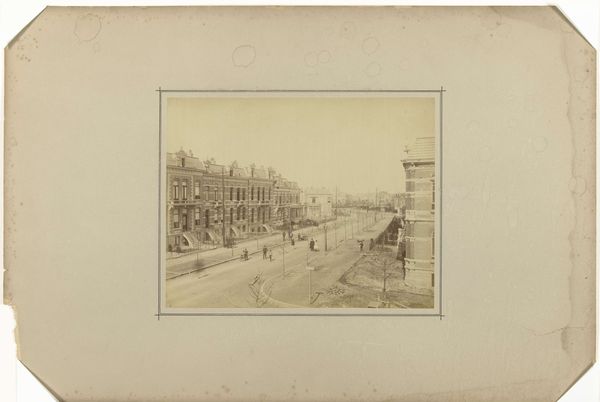
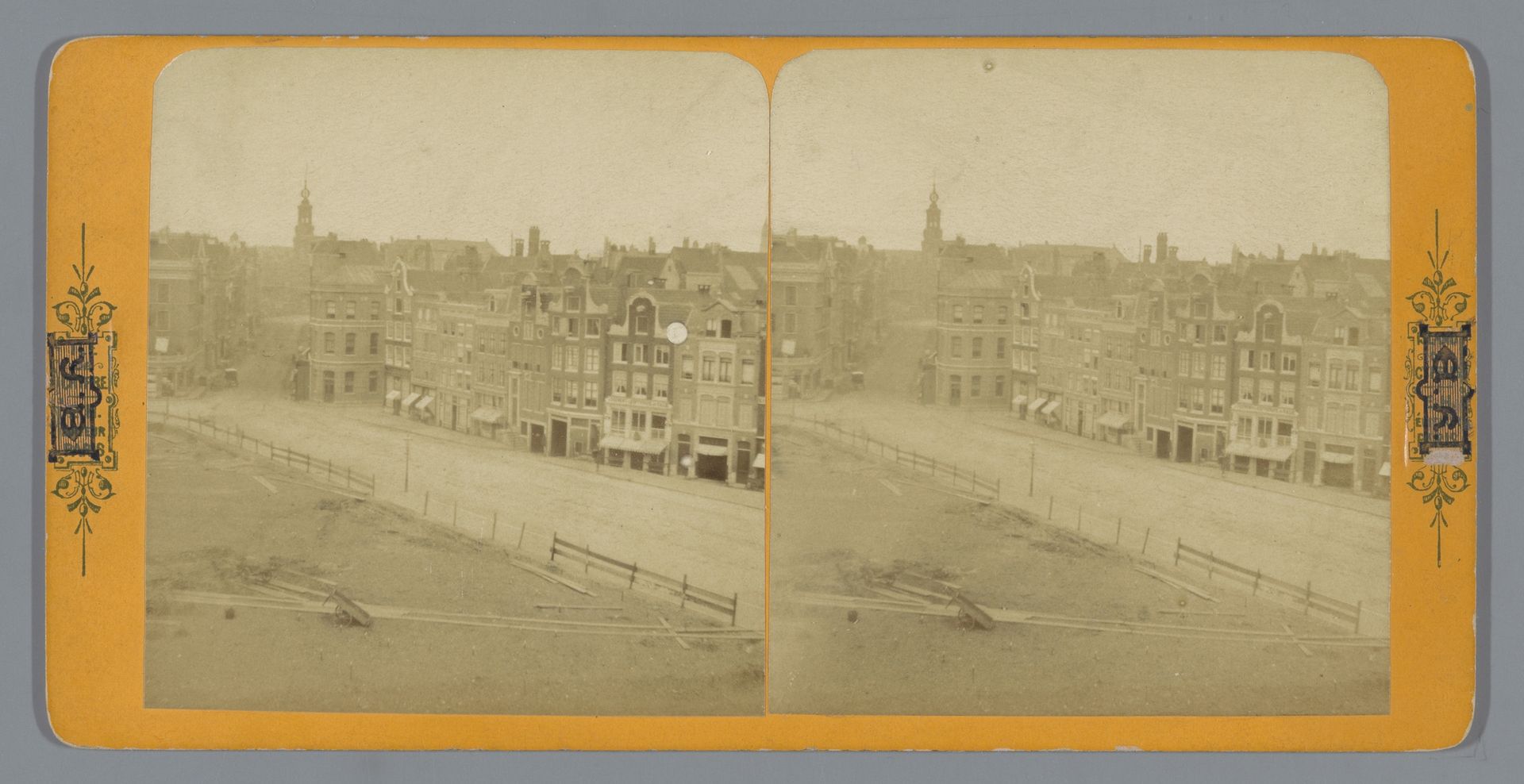
Gezicht op het Rembrandtplein in Amsterdam

Listen to curator's interpretation
Curatorial notes
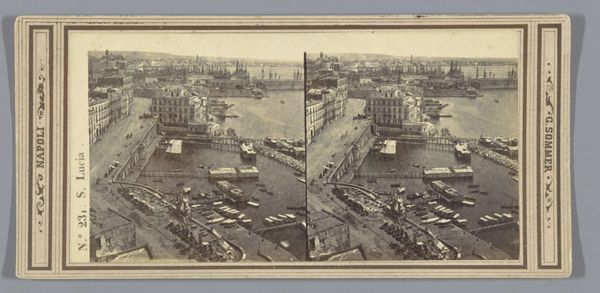
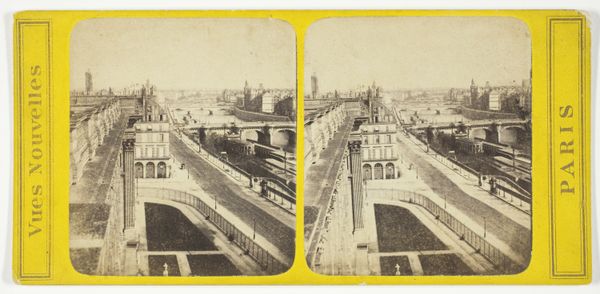
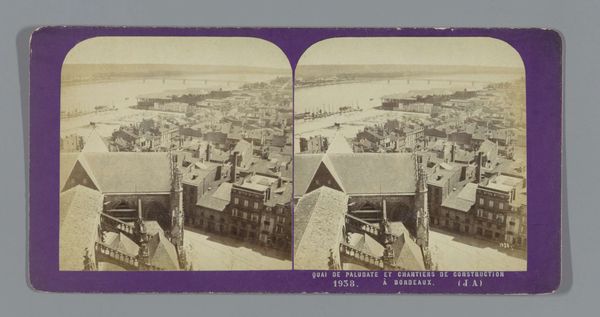
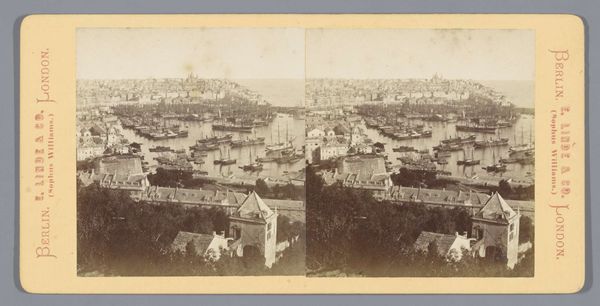
This stereoscopic image of the Rembrandtplein in Amsterdam was made by E.L. using photographic techniques. In its time, it was a cutting-edge way to capture a sense of depth. The photographic process itself, involving light-sensitive materials and careful development, turns the captured image into a physical object. The appeal of the stereoscope lies in its illusion of three-dimensionality; it mimics human vision by presenting slightly different perspectives to each eye. Mass production and consumption of stereoscopic images grew in tandem with an expanding middle class and advancements in both photography and printing. The image's materiality influences its appearance: the sepia tones, the textures of the paper, and the way light interacts with the surface all shape our experience. In the end, understanding the materials and processes used can help us grasp the cultural significance and context, further expanding the boundaries between art, craft, and design.