About this artwork
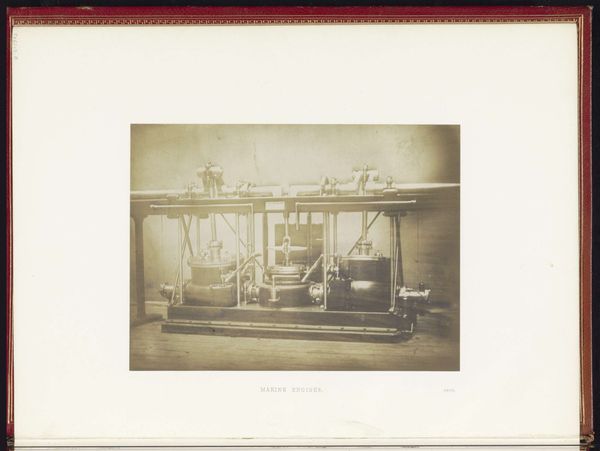
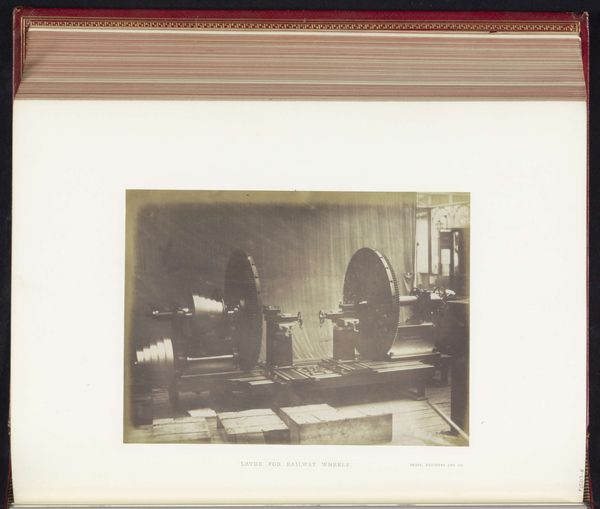
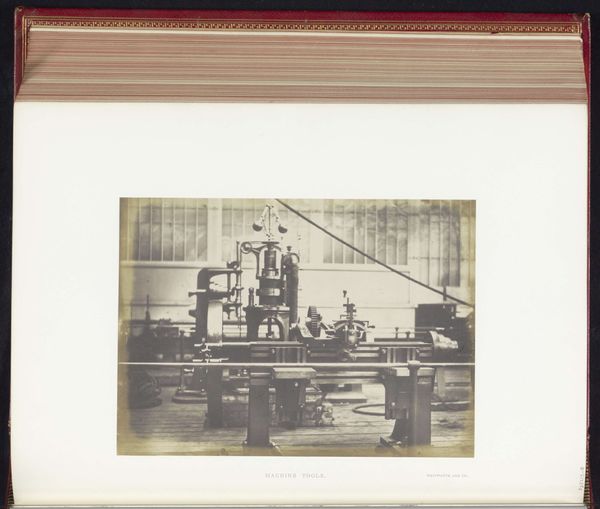
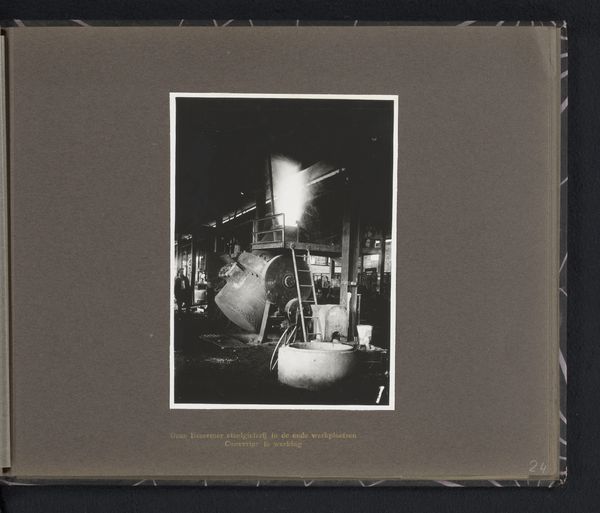
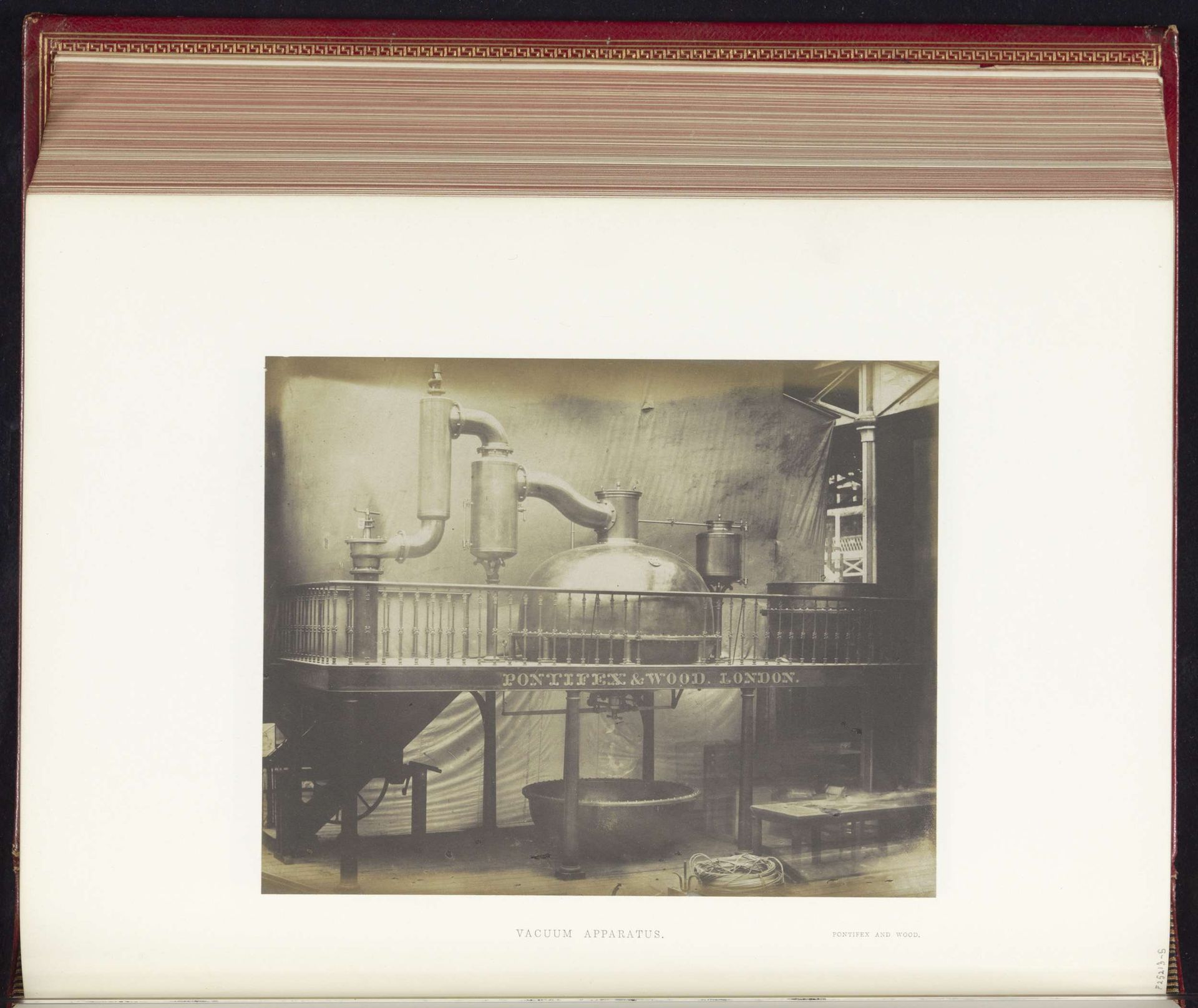
C.M. Ferrier and F. von Martens captured this image of the Pontifex and Wood vacuum machine at the Great Exhibition in London in 1851. This photograph encapsulates the Victorian era's obsession with progress and industrial prowess. It was an age defined by its technological advancements, where machines became symbols of national identity and economic strength. The Crystal Palace, as a venue, was itself a testament to these values, constructed to showcase the innovations of the time. The vacuum machine, with its complex network of pipes and imposing size, embodies the ambition and scale of Victorian engineering. But let’s not forget the human element, the laborers whose toil brought these marvels to life, often under harsh conditions, their stories are less visible, yet equally important to this narrative of progress. This image reminds us to consider whose stories are told and whose are left in the shadows of history.
Vacuümmachine van Pontifex and Wood op de Great Exhibition of the Works of Industry of All Nations van 1851 in het Crystal Palace in Londen
1851

Artwork details
- Medium
- daguerreotype, photography
- Dimensions
- height 163 mm, width 204 mm
- Copyright
- Rijks Museum: Open Domain
Tags
Comments
Share your thoughts
About this artwork
C.M. Ferrier and F. von Martens captured this image of the Pontifex and Wood vacuum machine at the Great Exhibition in London in 1851. This photograph encapsulates the Victorian era's obsession with progress and industrial prowess. It was an age defined by its technological advancements, where machines became symbols of national identity and economic strength. The Crystal Palace, as a venue, was itself a testament to these values, constructed to showcase the innovations of the time. The vacuum machine, with its complex network of pipes and imposing size, embodies the ambition and scale of Victorian engineering. But let’s not forget the human element, the laborers whose toil brought these marvels to life, often under harsh conditions, their stories are less visible, yet equally important to this narrative of progress. This image reminds us to consider whose stories are told and whose are left in the shadows of history.
Comments
Share your thoughts