About this artwork
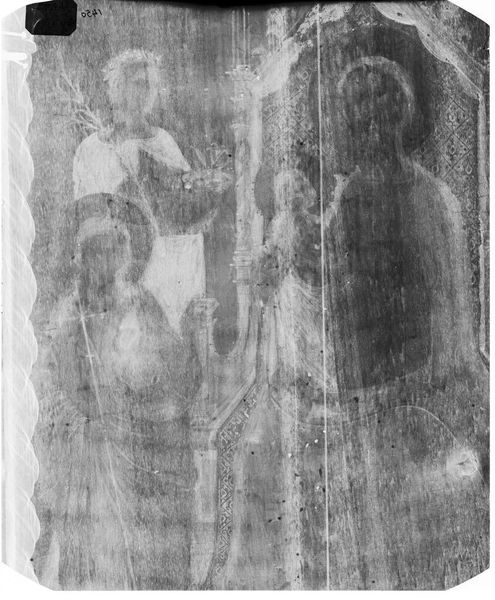
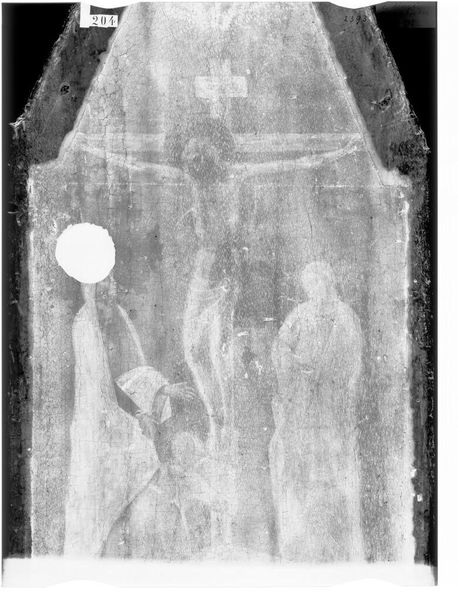
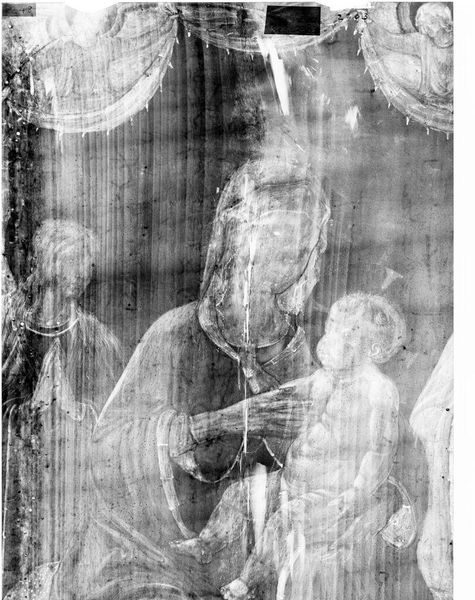
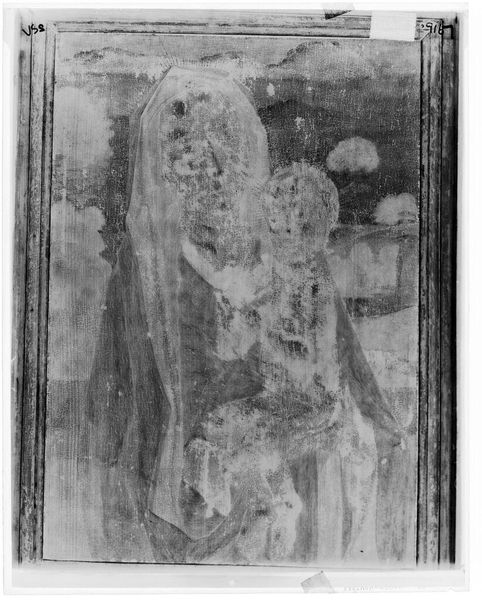
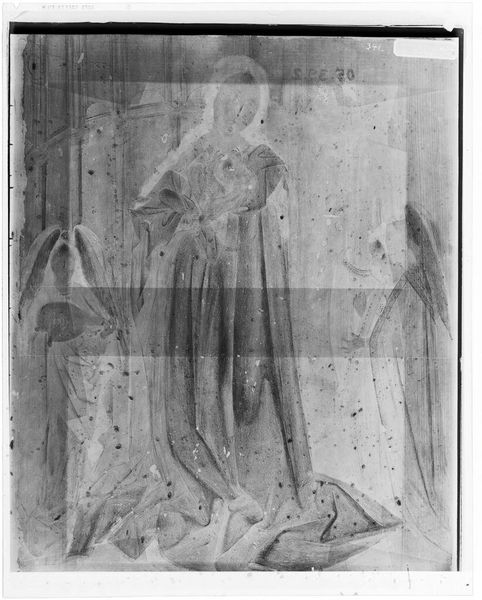
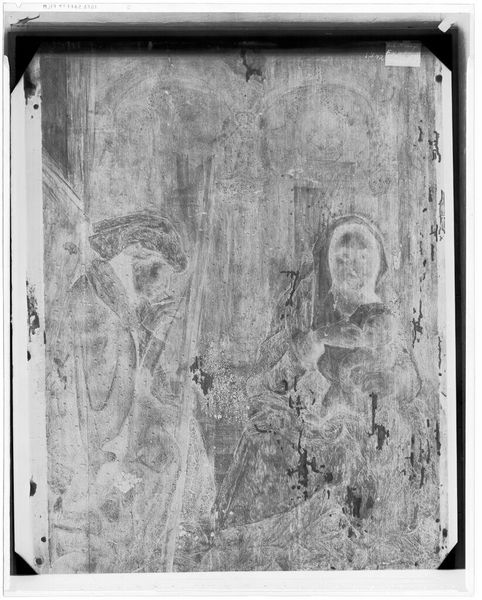
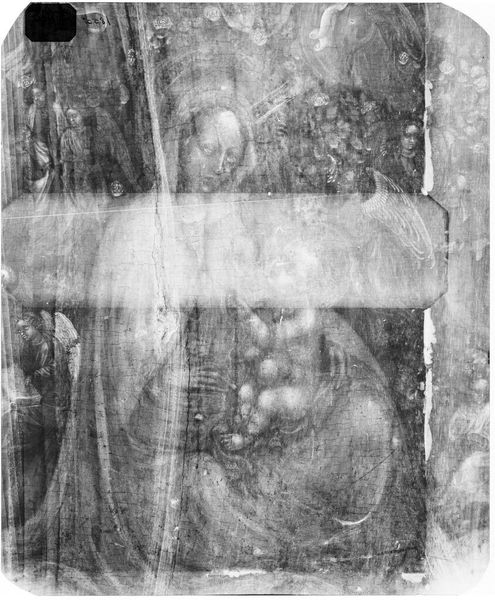
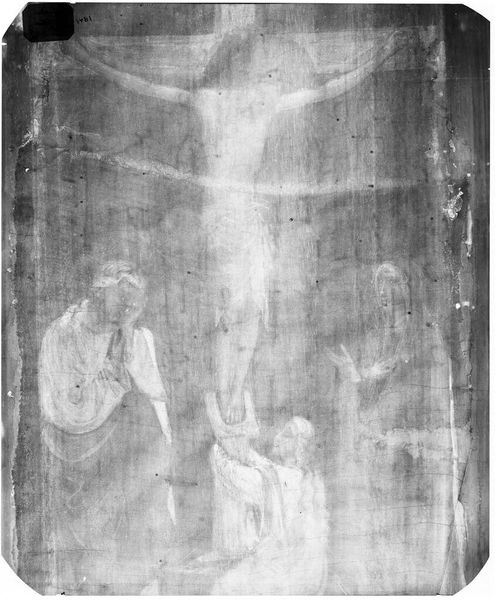
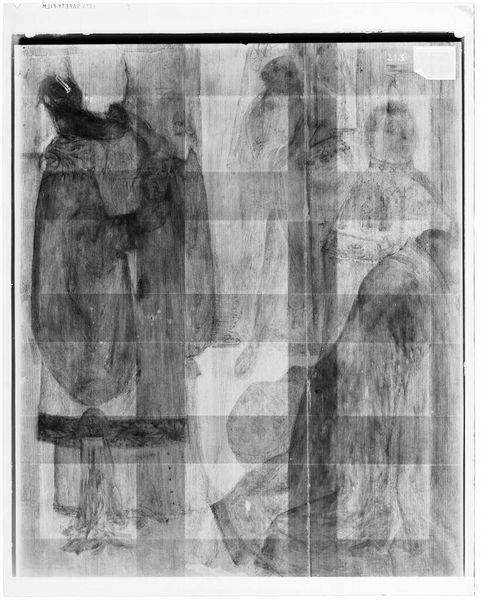
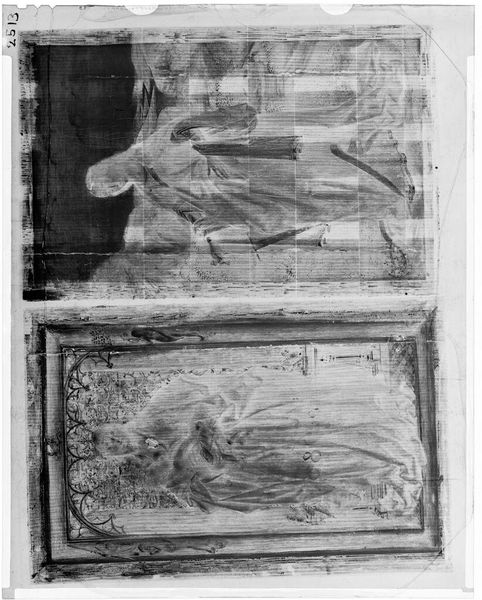
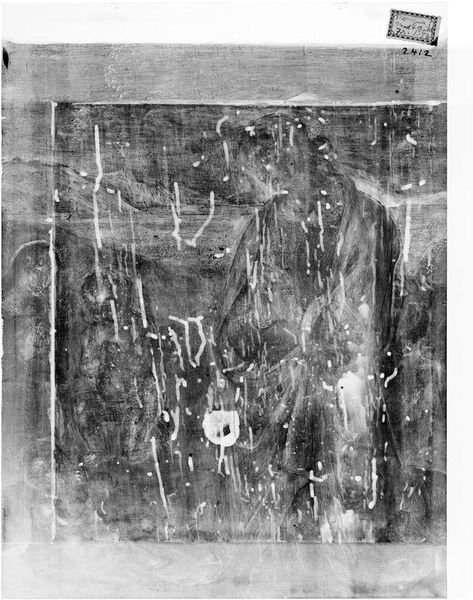
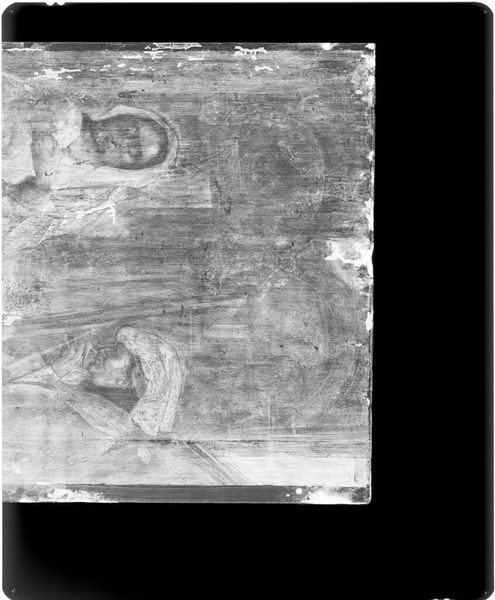
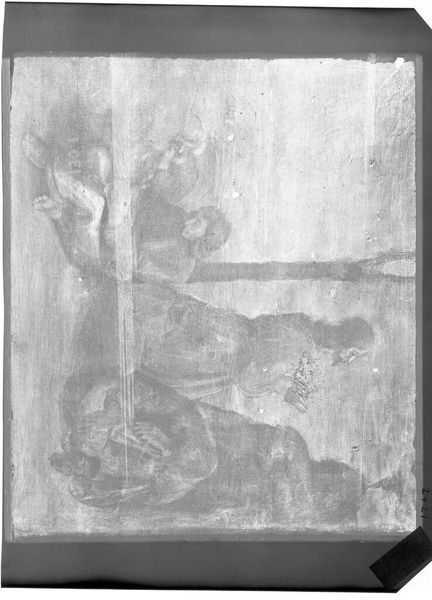
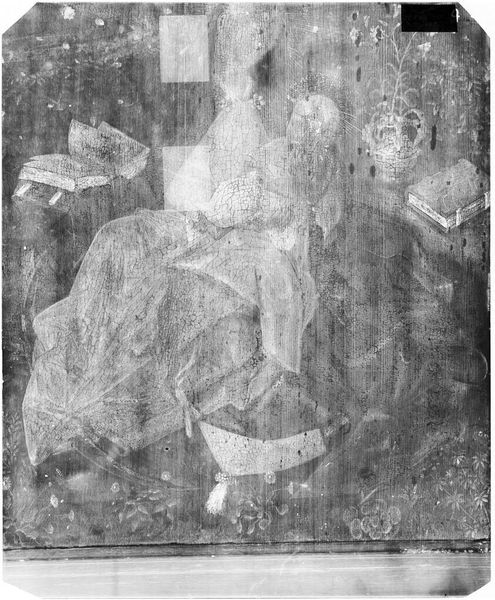
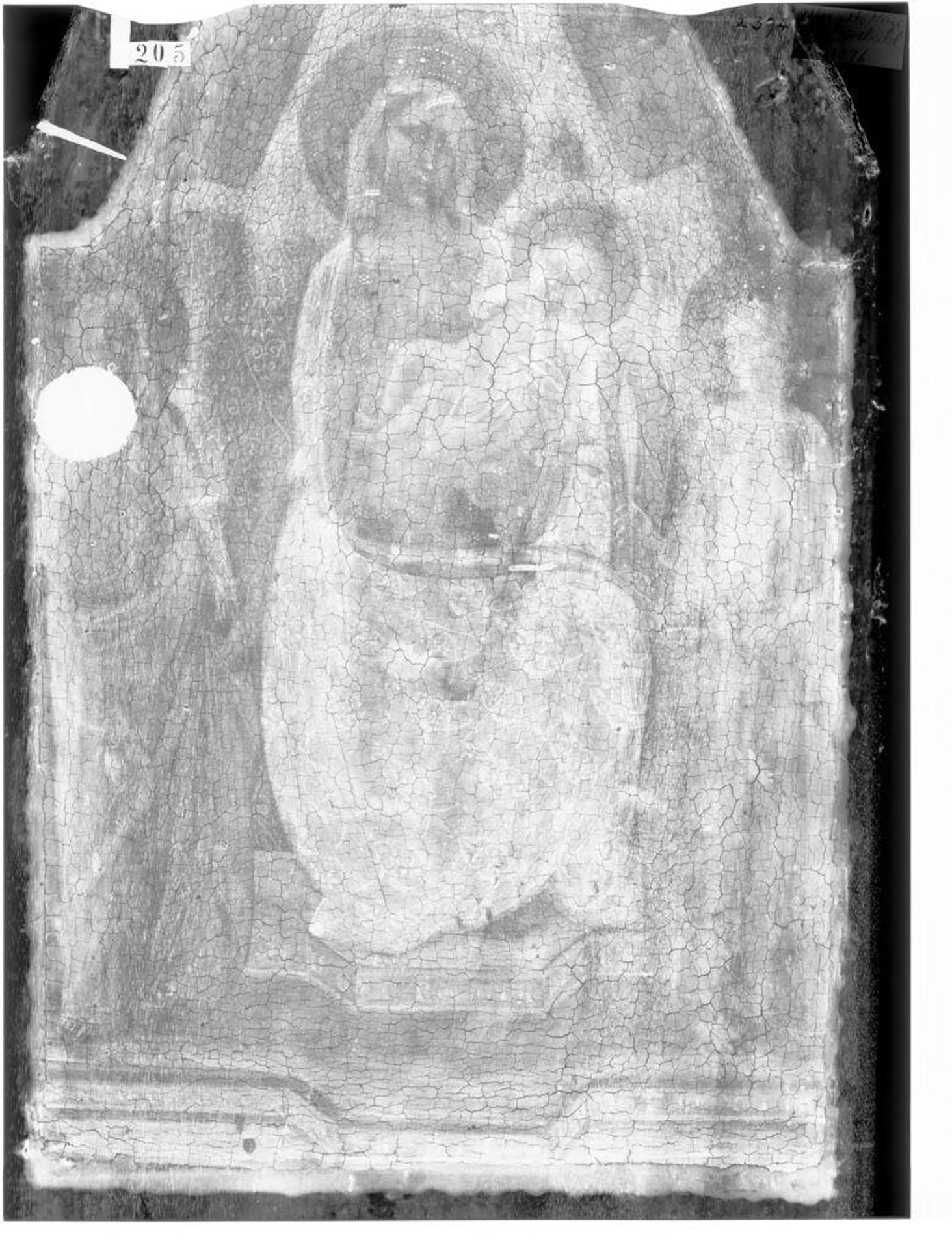
Curator: Before us, we have a radiograph, a film sized 14 by 17, of "Madonna and Child," attributed to Allegretto Nuzi, held at the Harvard Art Museums. Editor: It's so ghostly. You can see the cracks in the paint so clearly. It's like looking at the bones of a painting. Curator: Exactly. The x-ray reveals the artist's process, the layers of paint, and the materials used to construct the image. It prompts reflection on artistic labor and the physical creation of art. Editor: And beyond that, it makes me think about the role of the Madonna in society. This is a powerful image, even in this skeletal form, reminding us of the cultural and religious narratives surrounding motherhood and divinity. Curator: Agreed. It's fascinating how the unseen structure informs our perception of the surface. Editor: A great reminder that what we see is always underpinned by layers of history, materiality, and meaning.
X-radiograph(s) of "Madonna and Child"
Artist of original: Allegretto Nuzi
@artistoforiginalallegrettonuzi
Harvard Art Museums
Harvard Art MuseumsArtwork details
- Dimensions
- film size: 14 x 17
- Location
- Harvard Art Museums
- Copyright
- CC0 1.0
Comments
Share your thoughts
About this artwork
Curator: Before us, we have a radiograph, a film sized 14 by 17, of "Madonna and Child," attributed to Allegretto Nuzi, held at the Harvard Art Museums. Editor: It's so ghostly. You can see the cracks in the paint so clearly. It's like looking at the bones of a painting. Curator: Exactly. The x-ray reveals the artist's process, the layers of paint, and the materials used to construct the image. It prompts reflection on artistic labor and the physical creation of art. Editor: And beyond that, it makes me think about the role of the Madonna in society. This is a powerful image, even in this skeletal form, reminding us of the cultural and religious narratives surrounding motherhood and divinity. Curator: Agreed. It's fascinating how the unseen structure informs our perception of the surface. Editor: A great reminder that what we see is always underpinned by layers of history, materiality, and meaning.
Comments
Share your thoughts