About this artwork
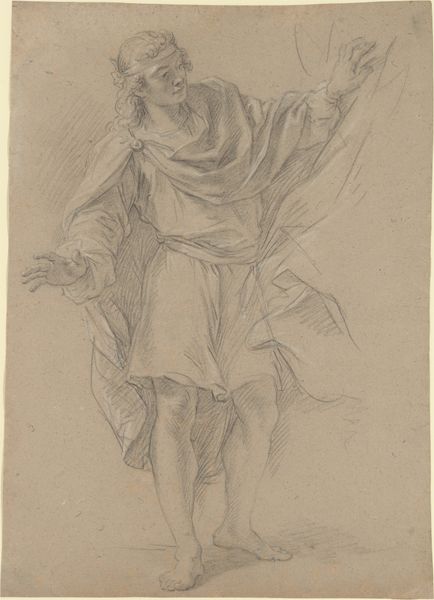
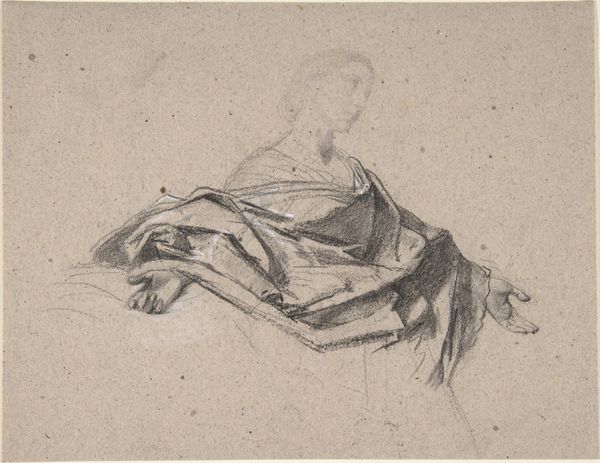
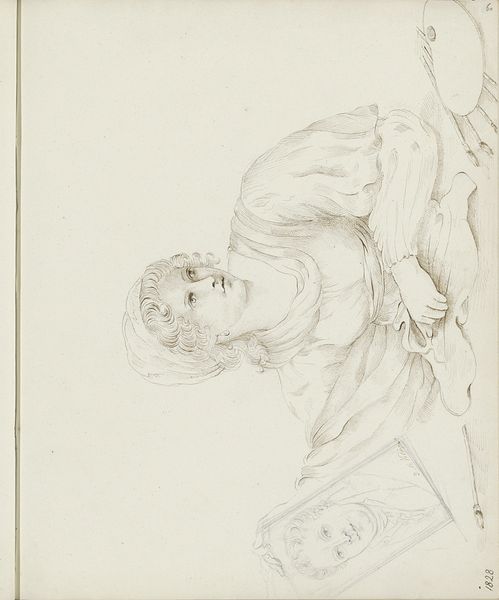
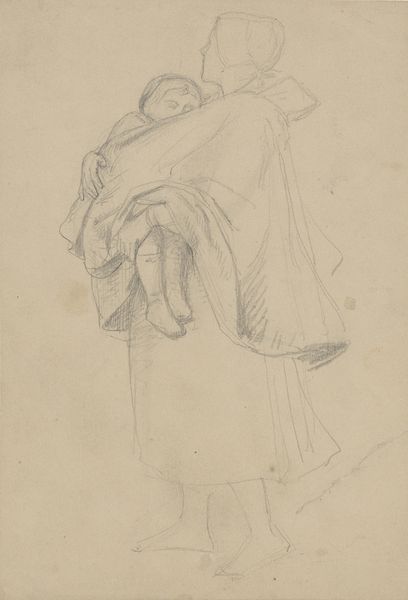
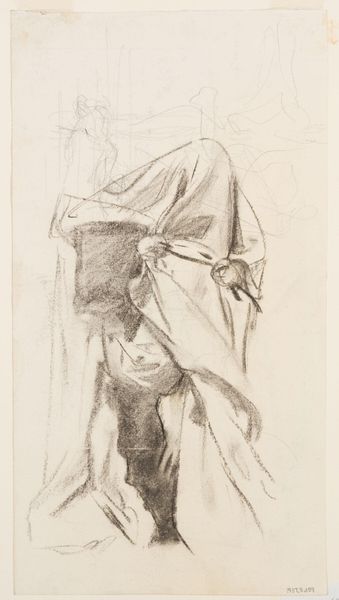
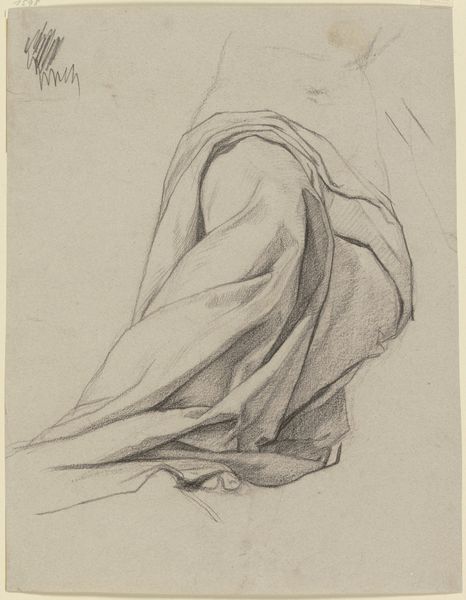
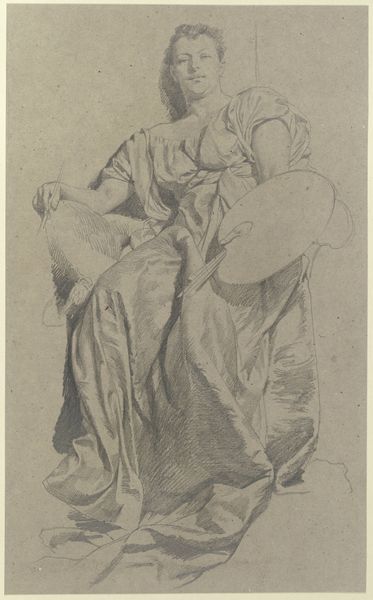
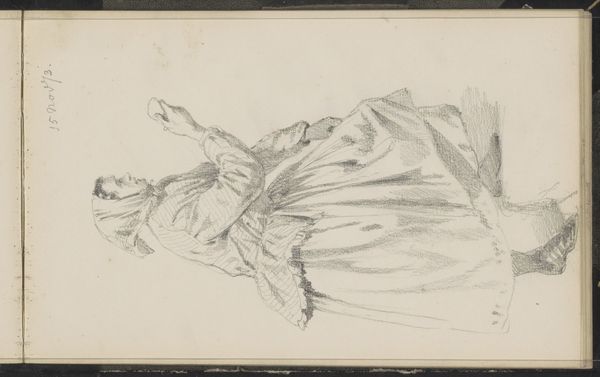
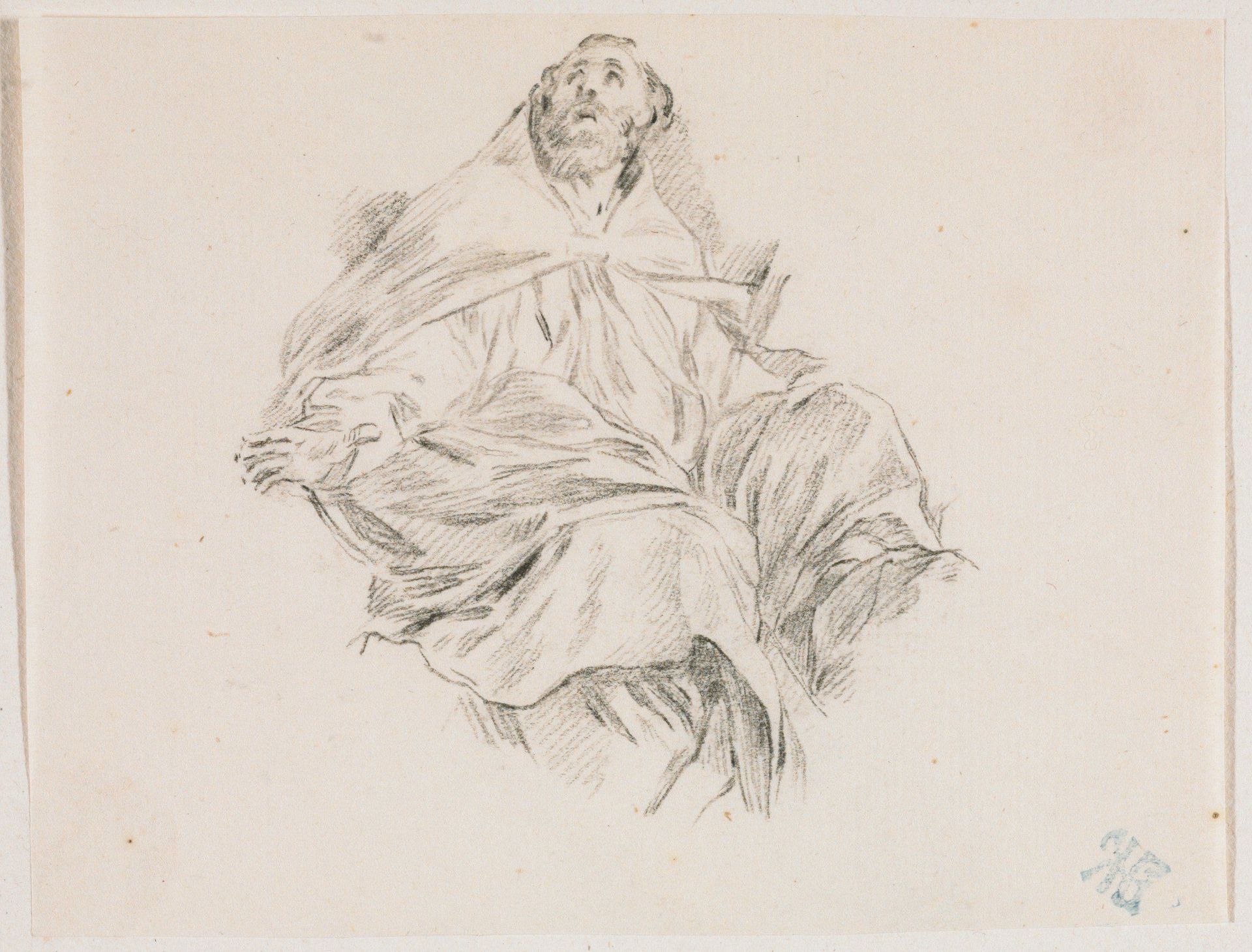
Charles-Nicolas Cochin II made this drawing of Saint Augustine in France, sometime in the 18th century. Cochin was a key figure in the French art establishment, working as an engraver and designer for the court, and later as secretary of the Royal Academy of Painting and Sculpture. This sketch gives us insight into the visual culture of the time, one that found value in images of religious figures, and understood them through particular visual codes. Augustine is shown with a beard, wrapped in robes, eyes lifted to the heavens. Religious institutions shaped the way artists thought about the human body and the depiction of emotion. To understand this work, one must investigate not only Augustine's own writings, but also the ways he was interpreted and represented by the institutions of the French state. The historian's role is to uncover these layers of meaning, and to understand how art is always contingent on its social and institutional context.
Saint Augustine
c. 18th century


Artwork details
- Medium
- drawing, pencil
- Dimensions
- 3 5/8 x 4 13/16 in. (9.21 x 12.22 cm) (sheet)4 5/8 x 9 7/16 in. (11.75 x 23.97 cm) (mount)
- Location
- Minneapolis Institute of Art
- Copyright
- Public Domain
Tags
Comments
Share your thoughts
About this artwork
Charles-Nicolas Cochin II made this drawing of Saint Augustine in France, sometime in the 18th century. Cochin was a key figure in the French art establishment, working as an engraver and designer for the court, and later as secretary of the Royal Academy of Painting and Sculpture. This sketch gives us insight into the visual culture of the time, one that found value in images of religious figures, and understood them through particular visual codes. Augustine is shown with a beard, wrapped in robes, eyes lifted to the heavens. Religious institutions shaped the way artists thought about the human body and the depiction of emotion. To understand this work, one must investigate not only Augustine's own writings, but also the ways he was interpreted and represented by the institutions of the French state. The historian's role is to uncover these layers of meaning, and to understand how art is always contingent on its social and institutional context.
Comments
Share your thoughts