ceramic, porcelain, sculpture
#
decorative element
#
pottery
#
ceramic
#
flower
#
porcelain
#
sculpture
#
ceramic
#
decorative-art
#
decorative art
#
rococo
Dimensions: Overall (.87 and .88): 3 11/16 × 2 9/16 in. (9.4 × 6.5 cm); Diameter (.89): 2 7/8 in. (7.3 cm)
Copyright: Public Domain
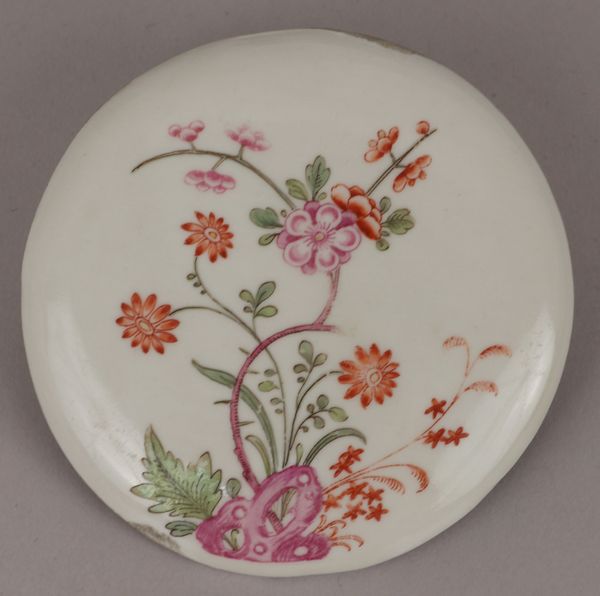
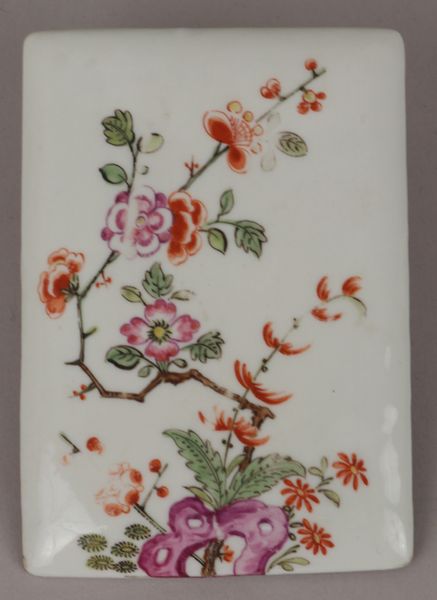
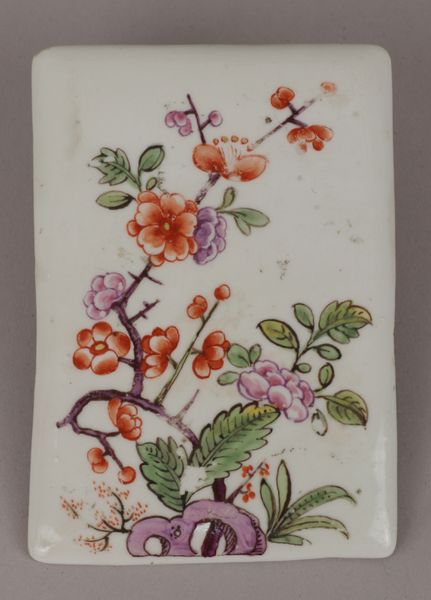
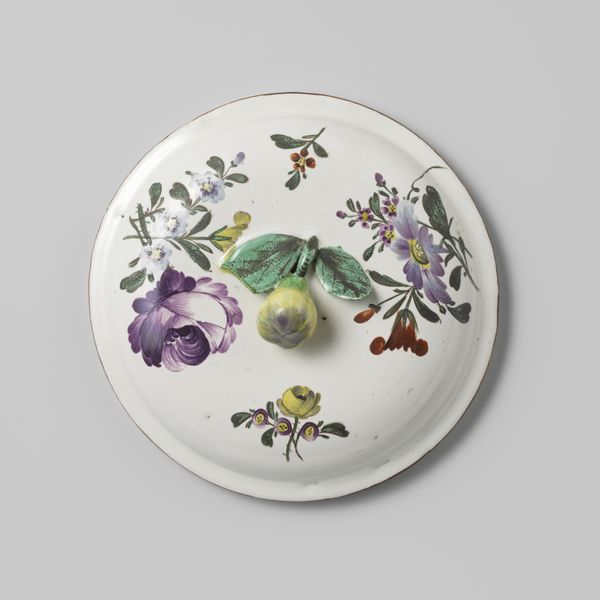
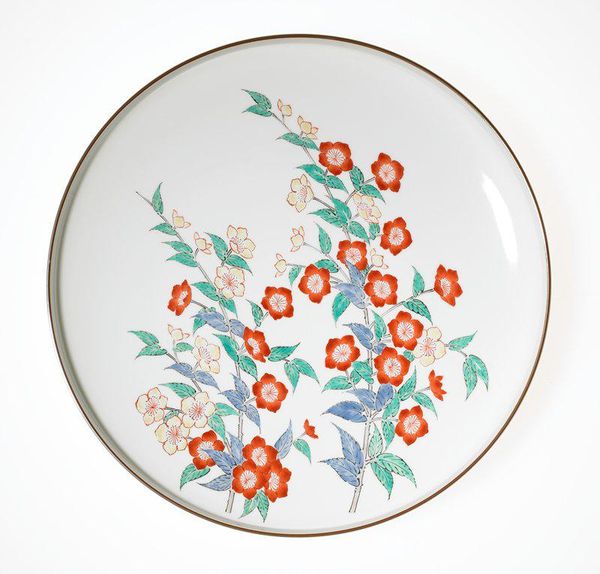
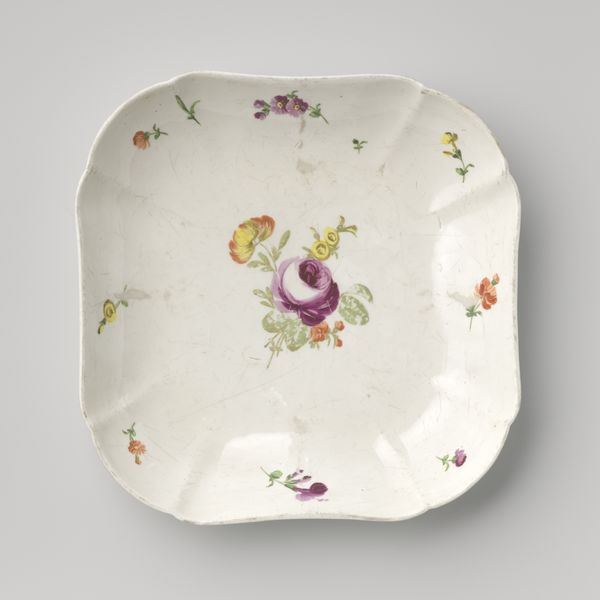
Curator: These "Three Plaques," dating from 1720 to 1730, reside here at the Metropolitan Museum of Art. The artist, hailing from Vienna, crafted these decorative elements using ceramic, more precisely porcelain, making them examples of decorative rococo art. What strikes you most upon seeing them? Editor: Oh, they're like delicate porcelain dreams. Tiny gardens trapped in glossy stillness. Each piece is whispering a secret, like fragments of a lost poem on the fragility of spring. Curator: Their smooth surface belies a complex firing process. Achieving this even glaze required precise kiln temperatures, and sourcing high-quality kaolin clay was essential to prevent cracking. It wasn't just artistry, but also control of raw materials that brought them to life. Editor: I can imagine these were once gracing a lavish room, bringing a slice of pastoral heaven to the high court, don’t you think? There’s something about the off-white background and the delicate renderings that give off that exact impression. Curator: Quite possibly. Porcelain production, initially confined to Asia, became a European obsession. The pursuit of its recipe reflects colonial dynamics—trade routes established for material extraction fueled this high art and luxury good that in its own right created social division based on who had access to luxury items. Editor: Fascinating! For me, the arrangement itself creates a narrative, maybe of constant changes? Like spring melting to summer, from an artist hand onto a precious plate to capture the memory of them. The details of the porcelain blossoms in the two rectangles mirroring the soft shape on the round plate, each slightly unique but undoubtedly similar. Curator: And each piece represents a fusion of function and ornamentation, typical of Rococo design which blends high and low production techniques. The floral decoration is interesting, as it bridges the aesthetic divide of fine art painting and labor of applied crafts which also elevates both within a display like this. Editor: Definitely something about the delicate strokes which captures the lightness of blossoms. I guess I could sit here and keep making it something bigger than it actually is… Curator: It’s the charm of porcelain—a confluence of craft, commerce, and beauty which you may find intriguing, after all. Editor: You make them sound even better than I had anticipated. Well, let’s leave it there. Thank you for a lovely description!
Comments
No comments
Be the first to comment and join the conversation on the ultimate creative platform.
 Collect
 React
React Comment
More like this