c. 1850 - 1880
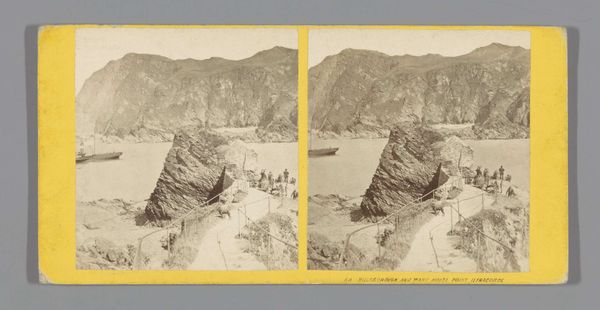
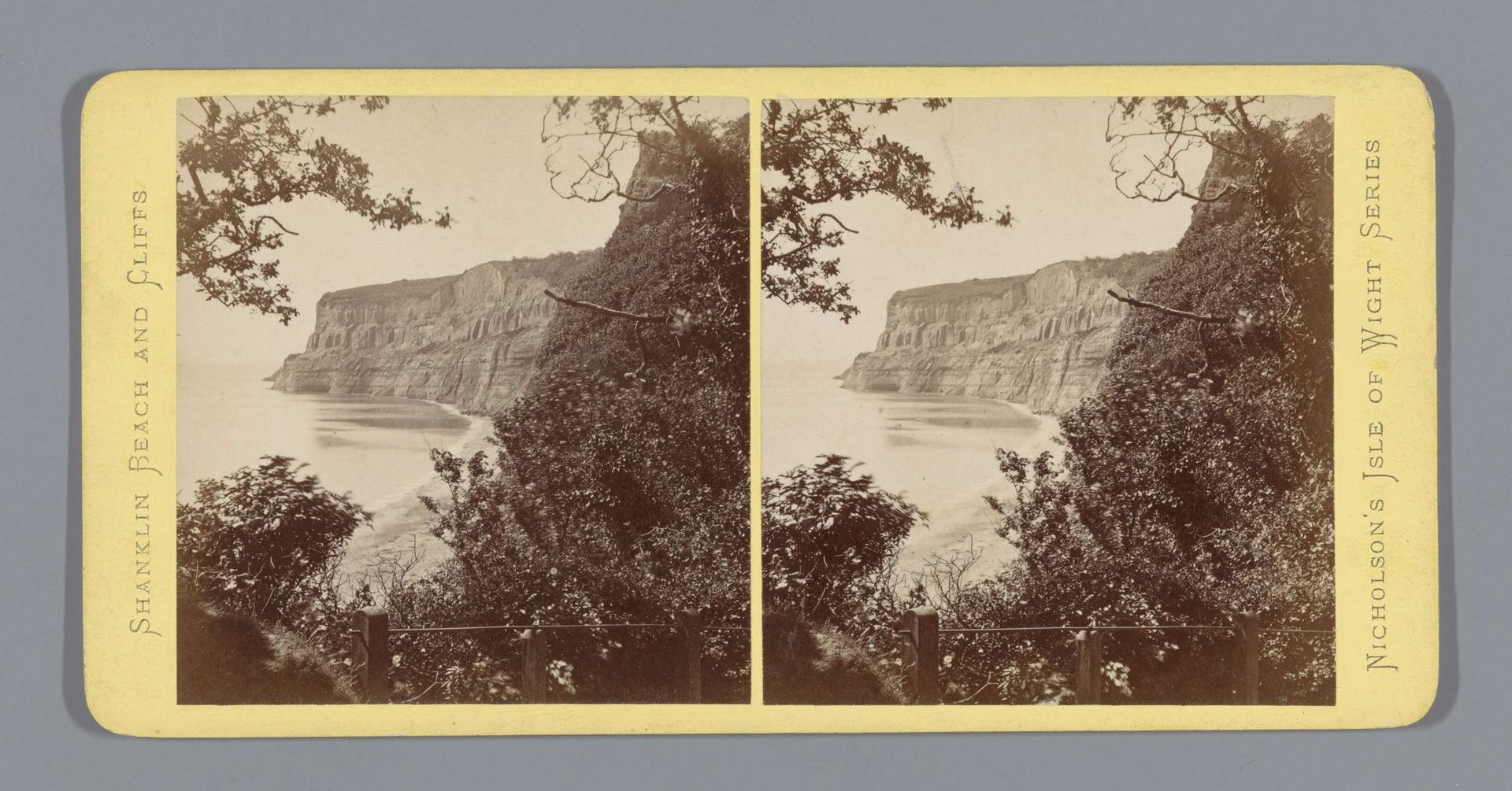
Gezicht op de kust bij Shanklin

Listen to curator's interpretation
Curatorial notes
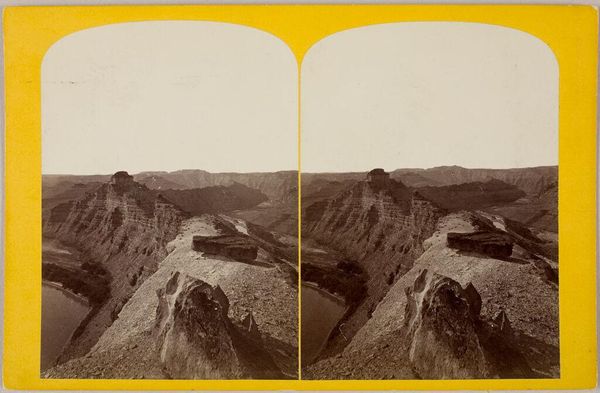
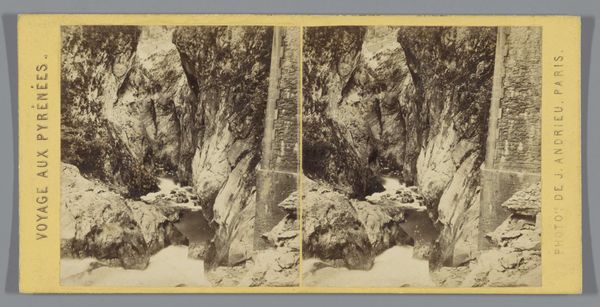
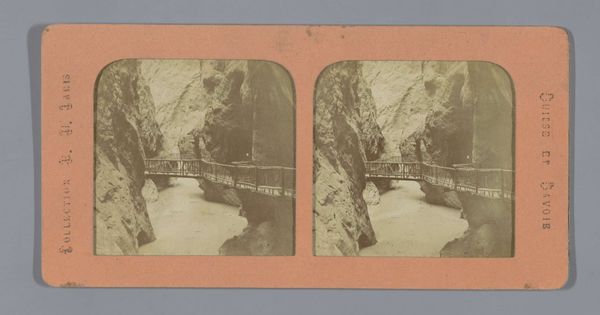
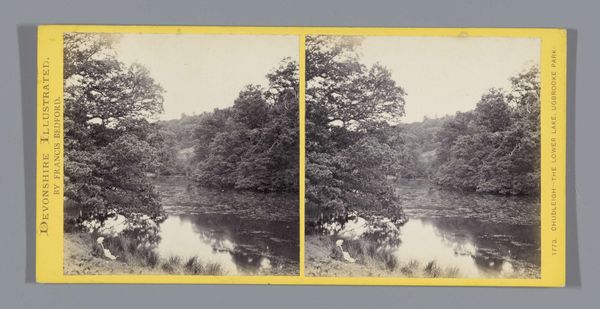
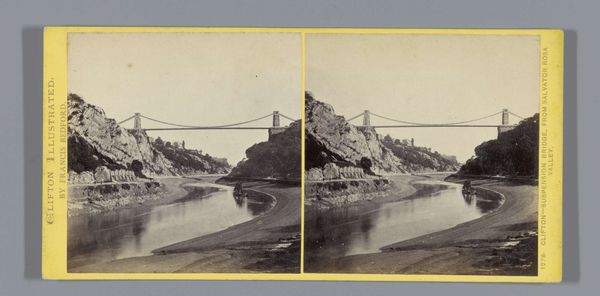
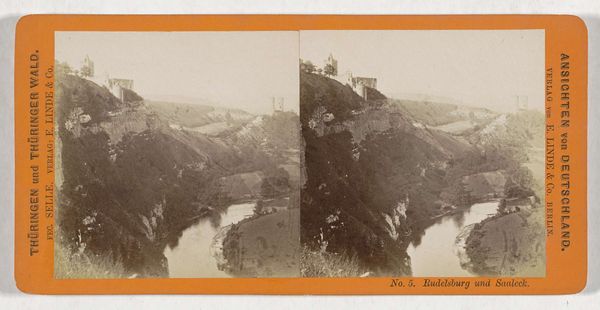
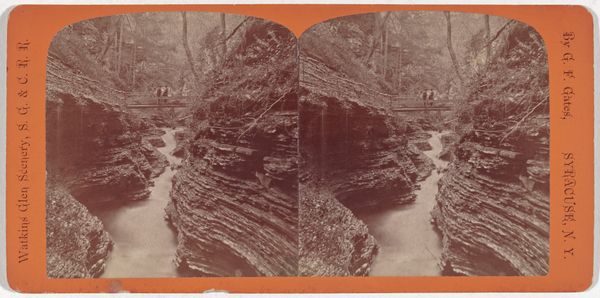
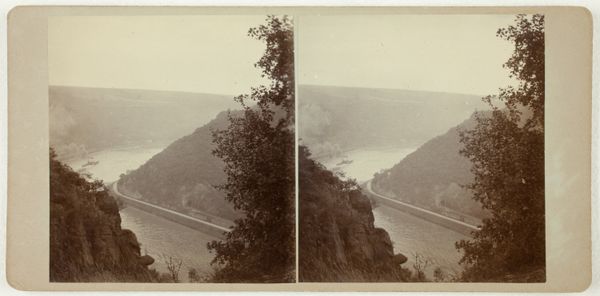
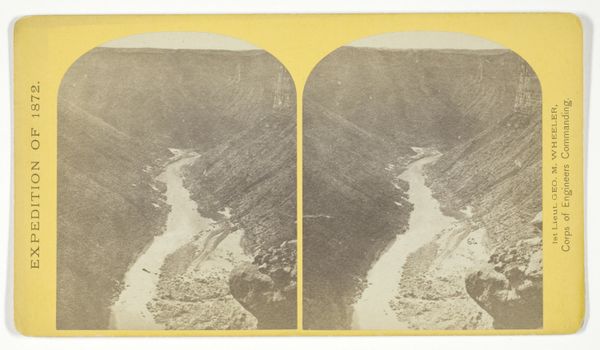
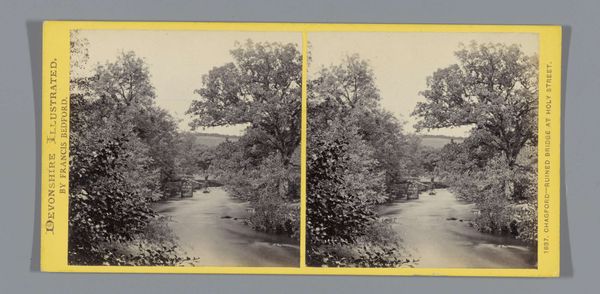
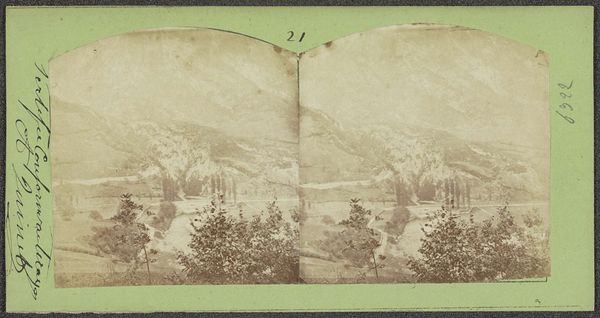
This stereograph of Shanklin Beach on the Isle of Wight was produced by J.W. Nicholson, using photography, a relatively new medium in the 19th century. The process begins with a camera obscura, using light to capture an image onto a photosensitive material. In this case, the dual image, once mounted on card, creates a three-dimensional effect when viewed through a stereoscope. The sepia tone is the result of the developing process. This technological advancement democratized image-making, enabling mass production and distribution of photographs, and changing how people perceived and consumed visual media. Stereographs, like this one, became a popular form of entertainment and education, offering viewers a virtual experience of faraway places. Nicholson's work reflects broader social trends of tourism and leisure, inviting viewers to contemplate the natural beauty of the Isle of Wight, and the new possibilities afforded through technology and industry. In this context, photography wasn't just about documentation, but about shaping cultural experiences and democratizing visual access.