About this artwork
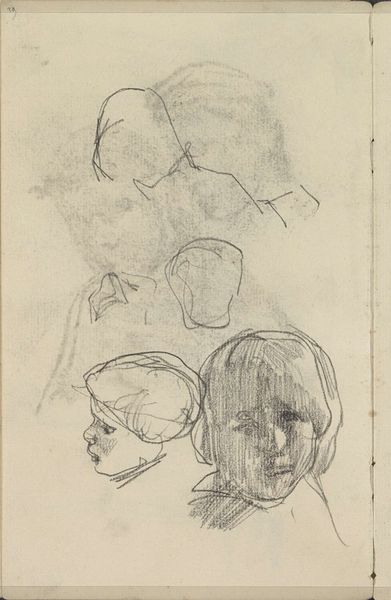
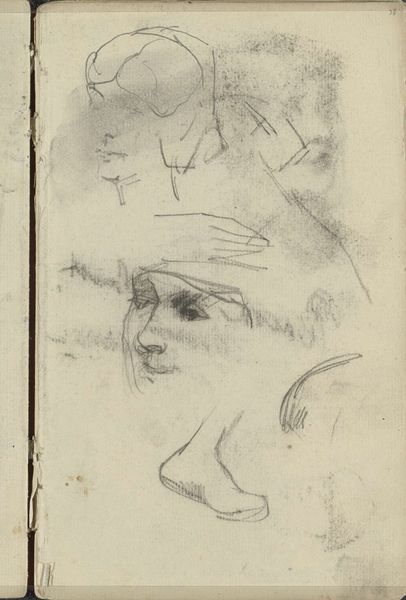
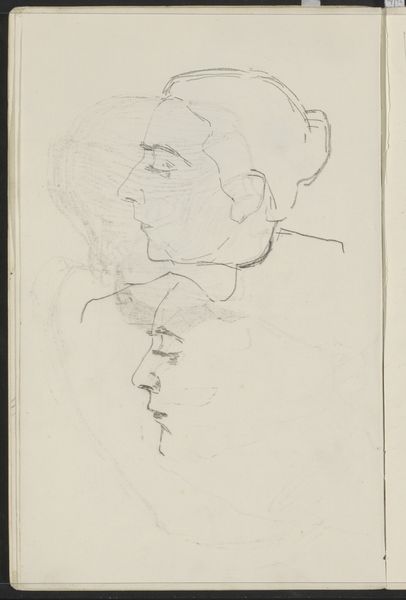
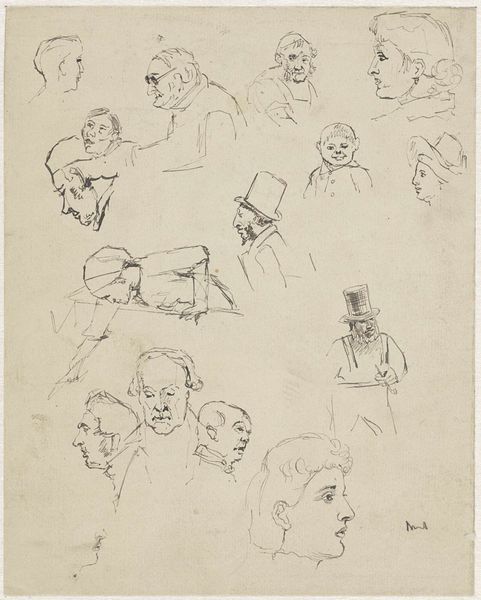
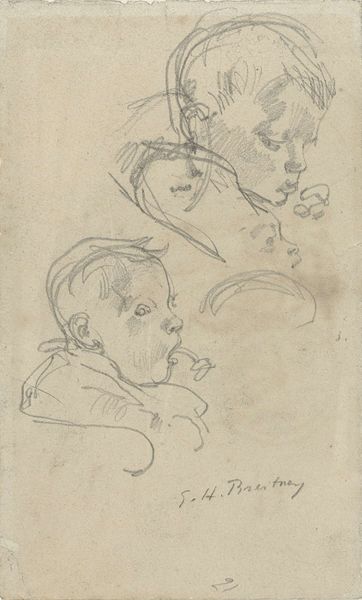
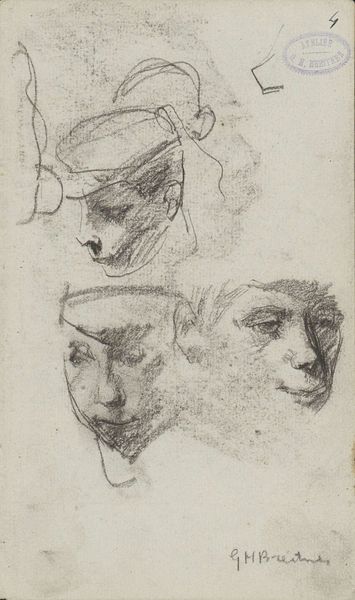
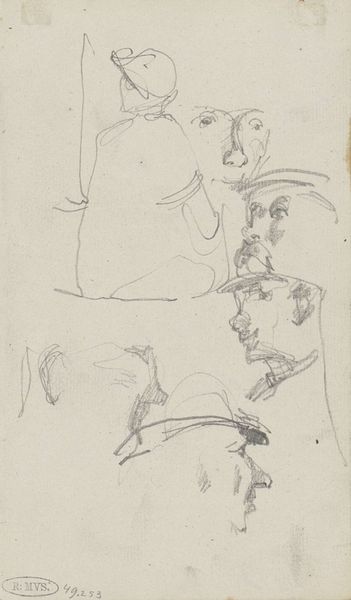
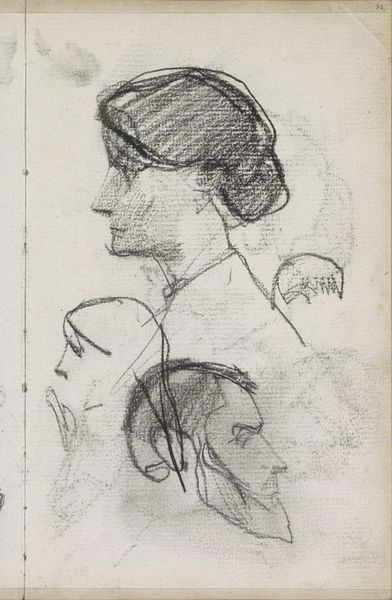
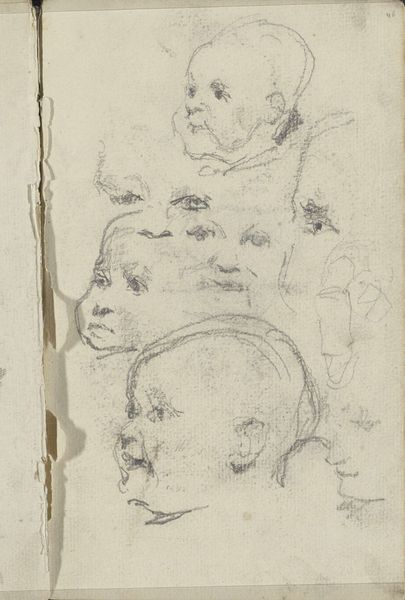
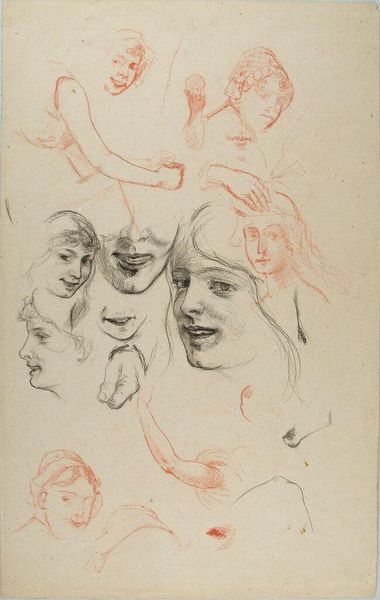
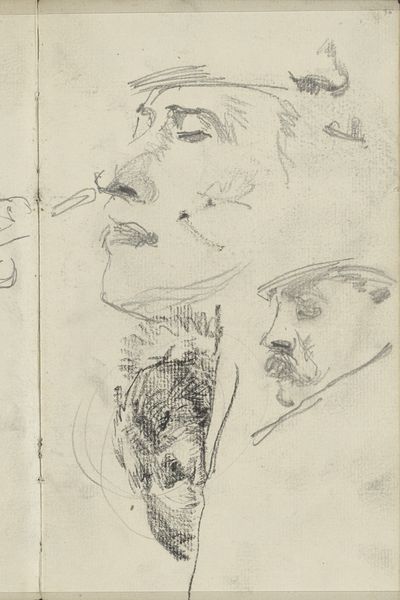
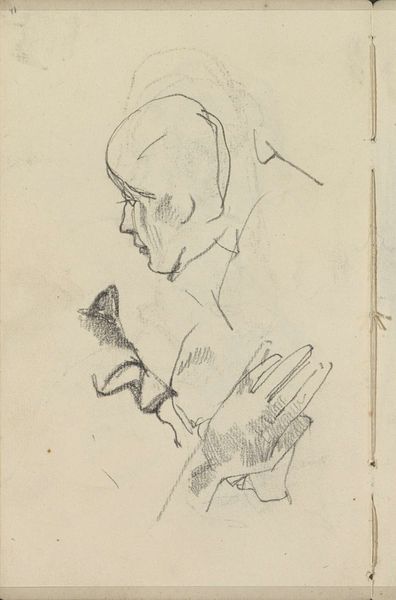
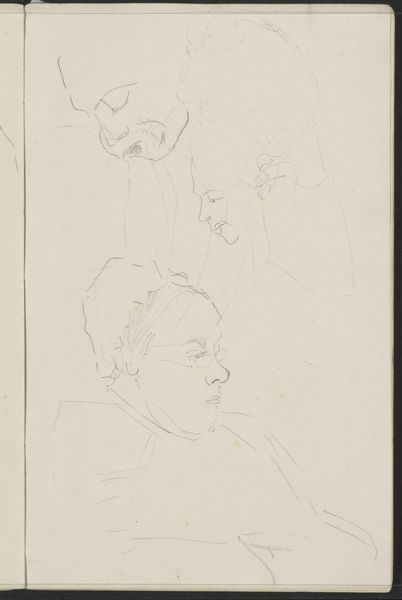
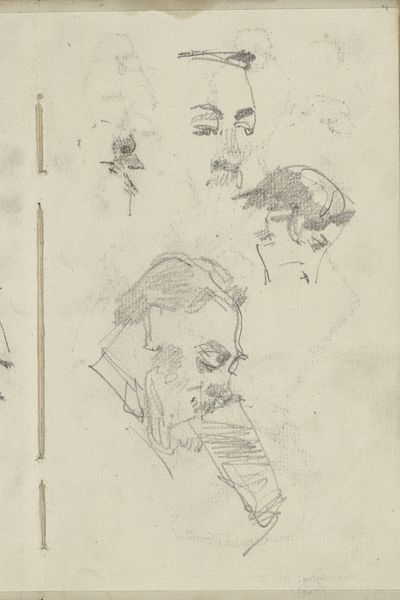
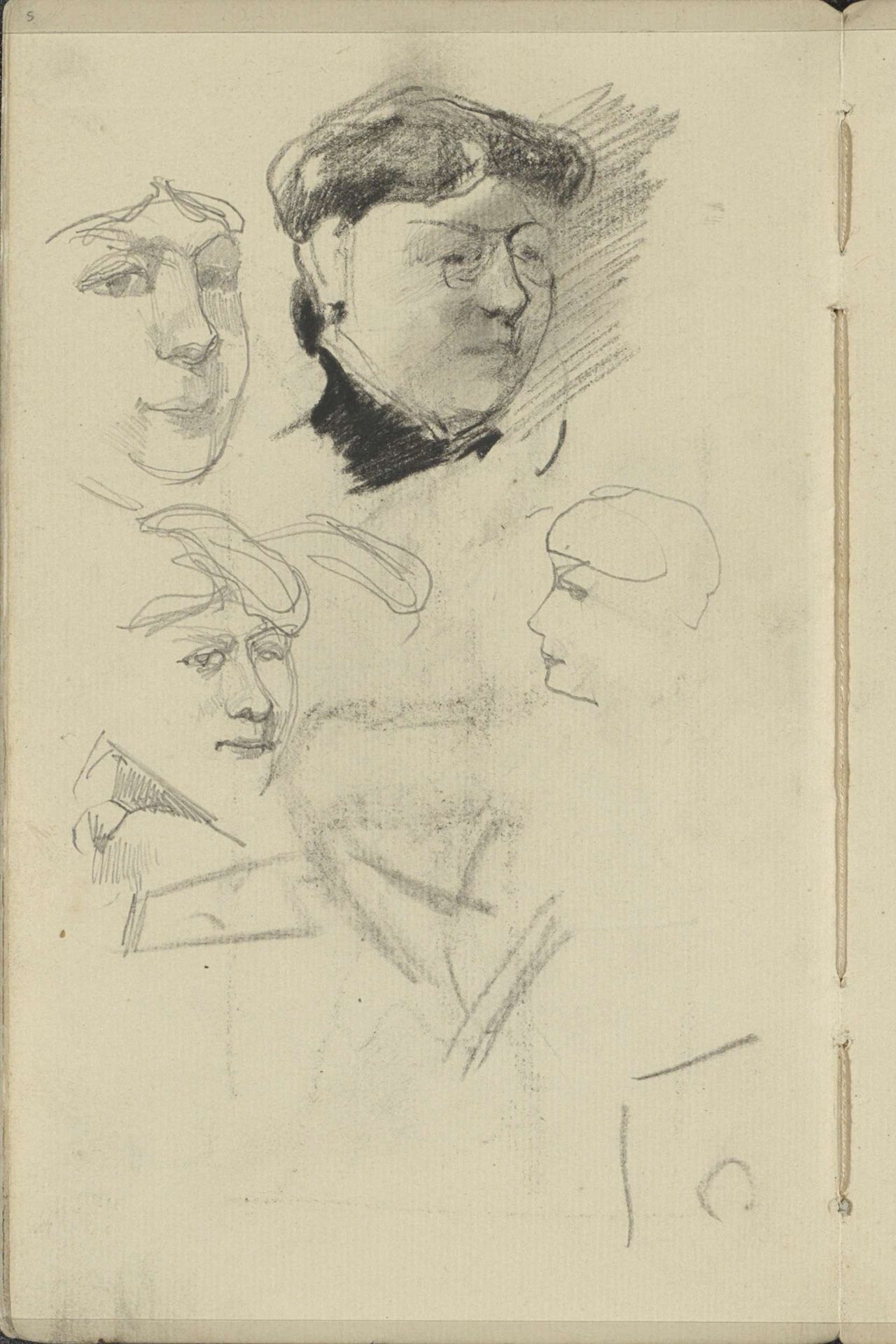
George Hendrik Breitner made this sketch called 'Vrouwenhoofden', or 'Women's Heads', using graphite. Breitner lived during a time of immense social change, influenced by the rise of industrialization, urbanization, and shifting class structures. He was known for his unflinching portrayals of working-class life in Amsterdam. These women, sketched with a raw, immediate quality, challenge the idealized images of women common in art at the time. Breitner captures a sense of individuality in each face, moving away from traditional, romanticized representations. The quick strokes and unfinished quality of the sketch give us a sense of intimacy. Breitner's work invites us to consider the diverse experiences of women in a rapidly changing society, revealing an emotional honesty that speaks to the complexities of identity and representation.

Artwork details
- Medium
- drawing, paper, pencil, frottage
- Location
- Rijksmuseum
- Copyright
- Rijks Museum: Open Domain
Tags
portrait
drawing
impressionism
pencil sketch
figuration
paper
sketchwork
sketch
pencil
sketchbook drawing
portrait drawing
frottage
Comments
Be the first to share your thoughts about this work.
About this artwork
George Hendrik Breitner made this sketch called 'Vrouwenhoofden', or 'Women's Heads', using graphite. Breitner lived during a time of immense social change, influenced by the rise of industrialization, urbanization, and shifting class structures. He was known for his unflinching portrayals of working-class life in Amsterdam. These women, sketched with a raw, immediate quality, challenge the idealized images of women common in art at the time. Breitner captures a sense of individuality in each face, moving away from traditional, romanticized representations. The quick strokes and unfinished quality of the sketch give us a sense of intimacy. Breitner's work invites us to consider the diverse experiences of women in a rapidly changing society, revealing an emotional honesty that speaks to the complexities of identity and representation.
Comments
Be the first to share your thoughts about this work.