About this artwork
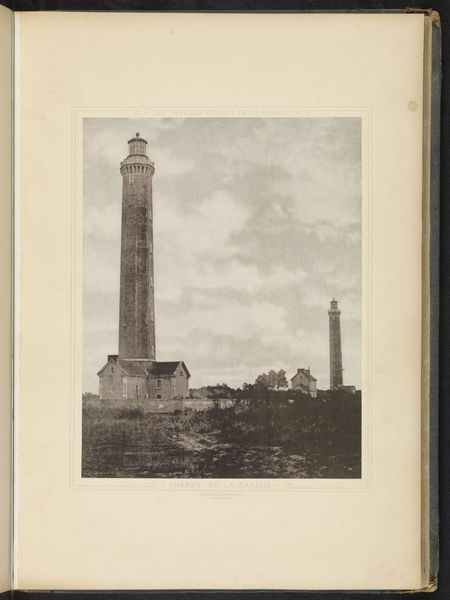
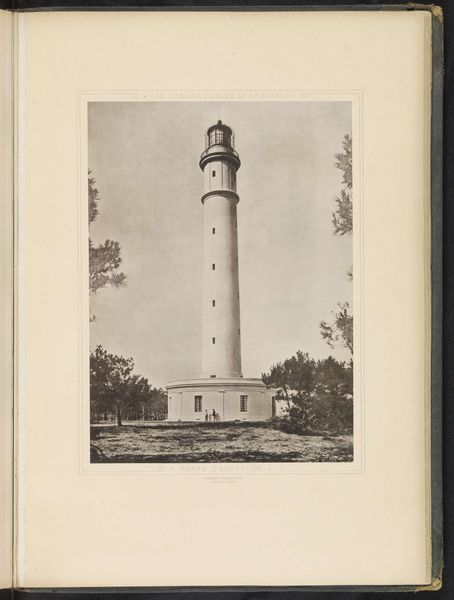
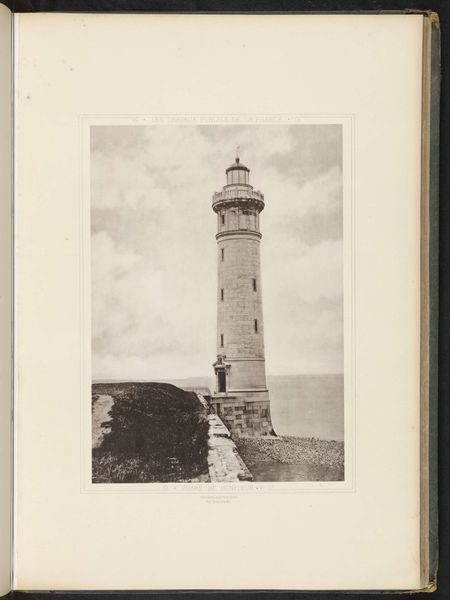
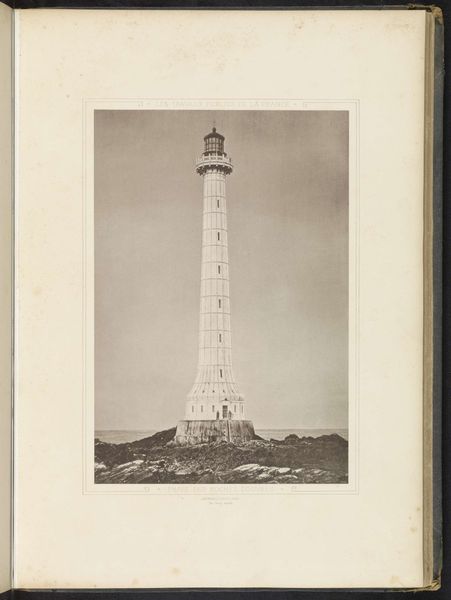
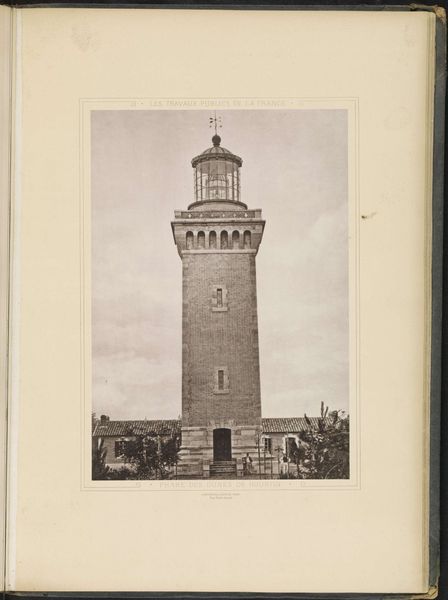
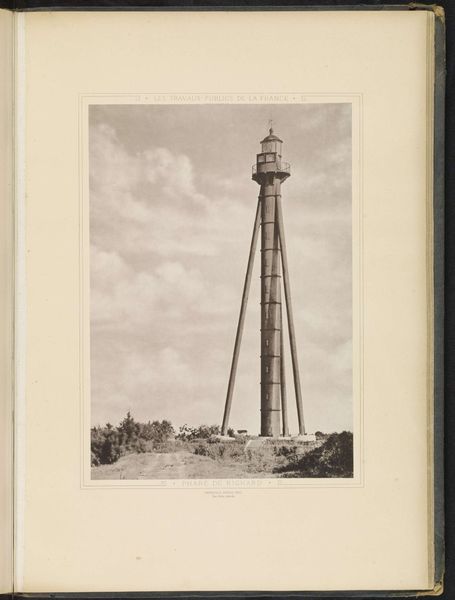
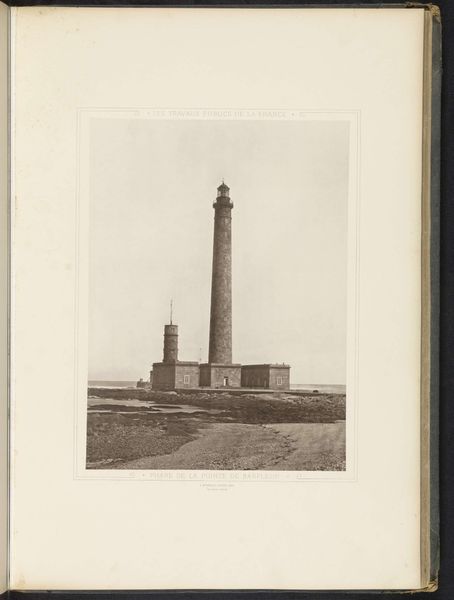
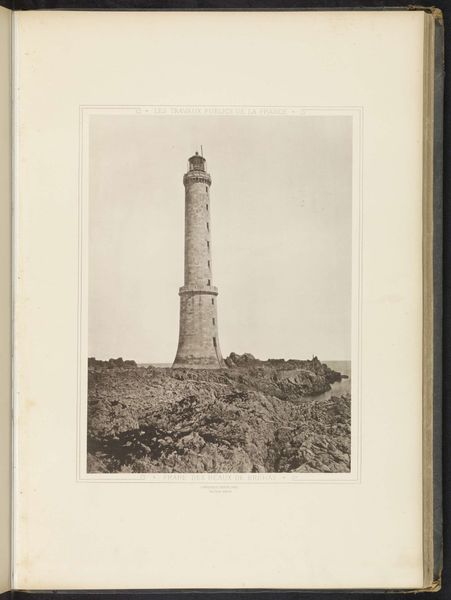
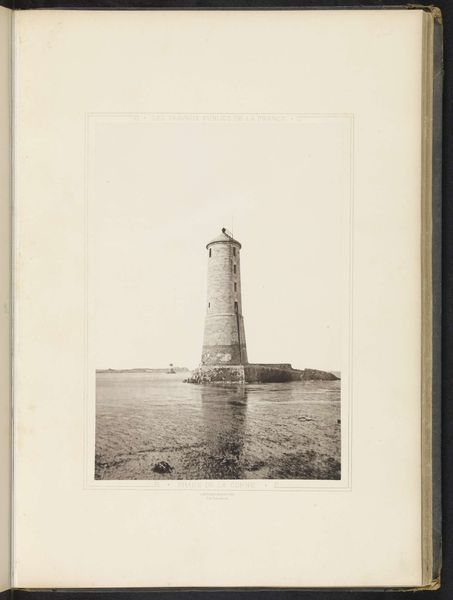
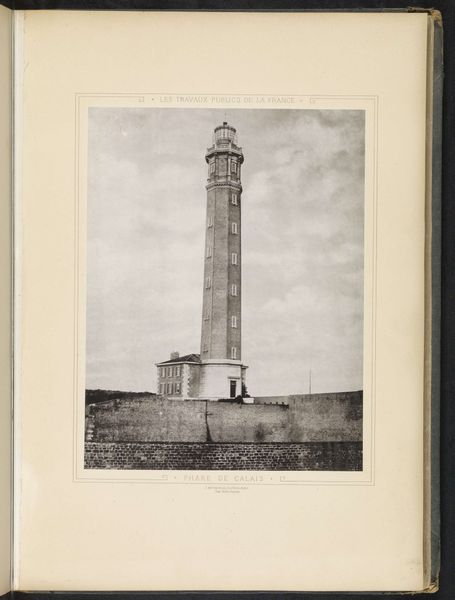
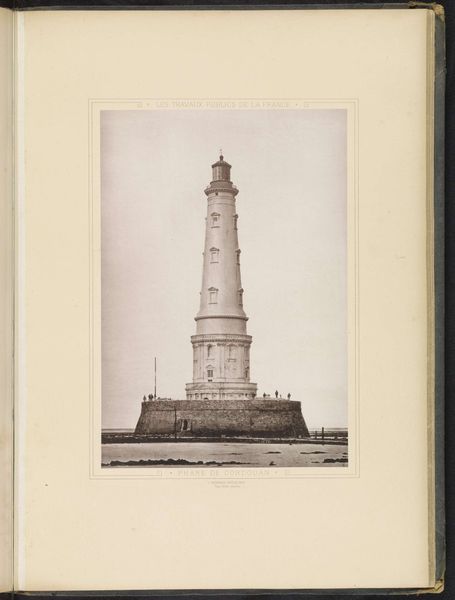
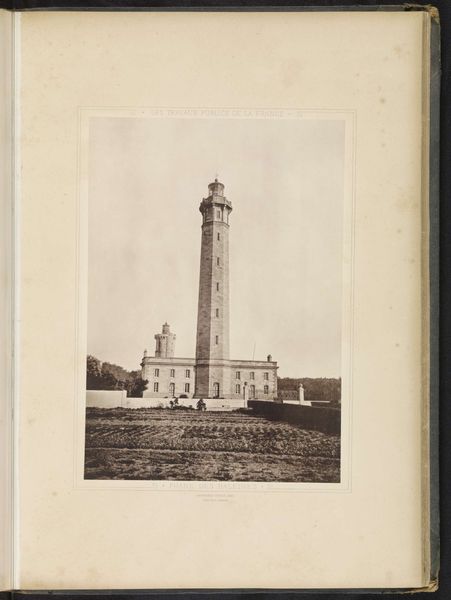
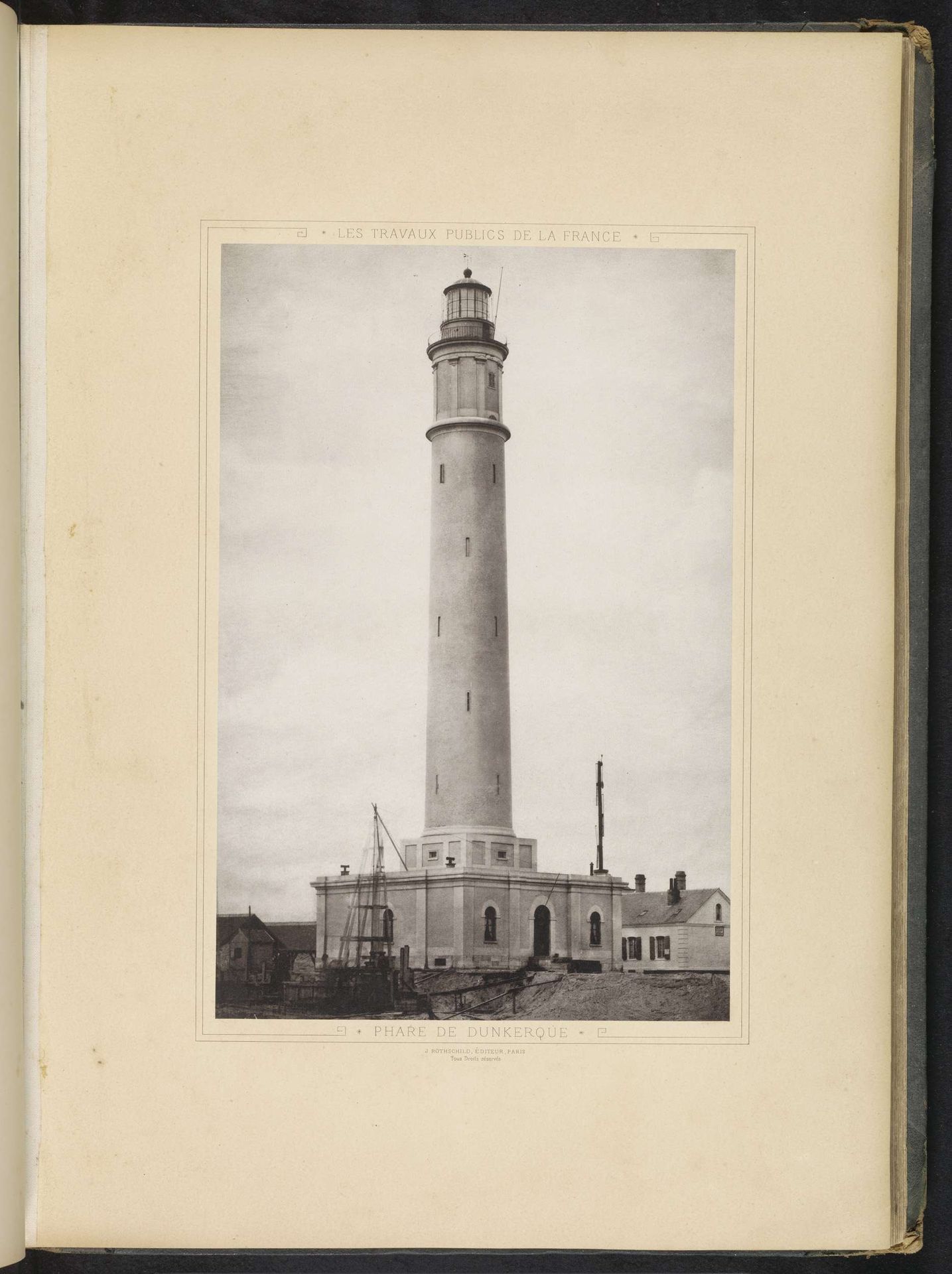
Editor: This gelatin silver print, titled "Vuurtoren van Duinkerke," predates 1883. It shows a lighthouse, tall and slender against a slightly overcast sky. I find the scene very...stark. What stands out to you about this piece? Curator: Well, immediately, I think about the context of its creation. Late 19th century—a time of intense industrial and colonial expansion. Lighthouses were more than just architecture; they were symbols of control over the seas, essential for trade and military power. Doesn't it strike you as an assertion of dominance? Editor: Yes, now that you mention it. The way it rises so straight and tall. Did the placement of the lighthouse, perhaps on indigenous land, play a role in that assertion of power? Curator: Exactly! And who benefitted from that maritime control? This was a period defined by capitalist expansion, deeply intertwined with issues of race and class. How might this seemingly simple photograph of a lighthouse be implicated in those systems? Consider who this technology served and who was excluded or even harmed by it. Editor: I never thought about a lighthouse in terms of colonial power before! I was too focused on the architectural aspects and aesthetic. Curator: The aesthetic choices are deliberate, but it’s about deconstructing the power dynamics embedded within these seemingly neutral depictions. Photography itself was a tool used to document and reinforce colonial narratives. We must remain vigilant in looking at the complete history that encompasses power relations and their intersection. Editor: So much more to consider than just what's visually apparent. It makes you think about the hidden histories contained within even seemingly simple images. Curator: Precisely. By analyzing the context, we can excavate the deeper meanings and the complex, often uncomfortable, truths that these images hold.

Artwork details
- Medium
- print, photography, gelatin-silver-print, architecture
- Dimensions
- height 329 mm, width 218 mm
- Copyright
- Rijks Museum: Open Domain
Tags
photography
coloured pencil
gelatin-silver-print
cityscape
architecture
realism
Comments
No comments
About this artwork
Editor: This gelatin silver print, titled "Vuurtoren van Duinkerke," predates 1883. It shows a lighthouse, tall and slender against a slightly overcast sky. I find the scene very...stark. What stands out to you about this piece? Curator: Well, immediately, I think about the context of its creation. Late 19th century—a time of intense industrial and colonial expansion. Lighthouses were more than just architecture; they were symbols of control over the seas, essential for trade and military power. Doesn't it strike you as an assertion of dominance? Editor: Yes, now that you mention it. The way it rises so straight and tall. Did the placement of the lighthouse, perhaps on indigenous land, play a role in that assertion of power? Curator: Exactly! And who benefitted from that maritime control? This was a period defined by capitalist expansion, deeply intertwined with issues of race and class. How might this seemingly simple photograph of a lighthouse be implicated in those systems? Consider who this technology served and who was excluded or even harmed by it. Editor: I never thought about a lighthouse in terms of colonial power before! I was too focused on the architectural aspects and aesthetic. Curator: The aesthetic choices are deliberate, but it’s about deconstructing the power dynamics embedded within these seemingly neutral depictions. Photography itself was a tool used to document and reinforce colonial narratives. We must remain vigilant in looking at the complete history that encompasses power relations and their intersection. Editor: So much more to consider than just what's visually apparent. It makes you think about the hidden histories contained within even seemingly simple images. Curator: Precisely. By analyzing the context, we can excavate the deeper meanings and the complex, often uncomfortable, truths that these images hold.
Comments
No comments