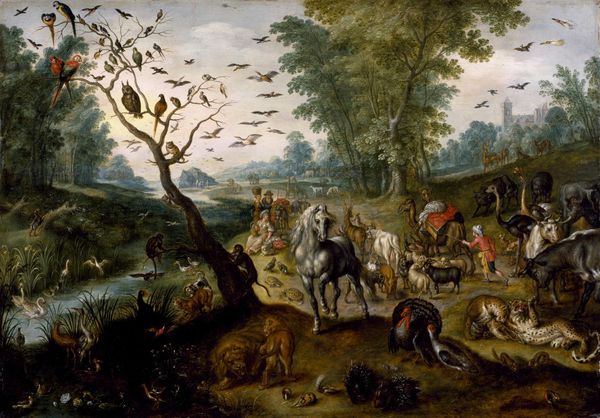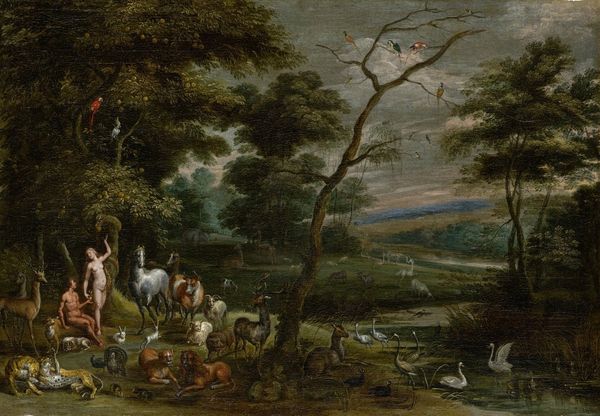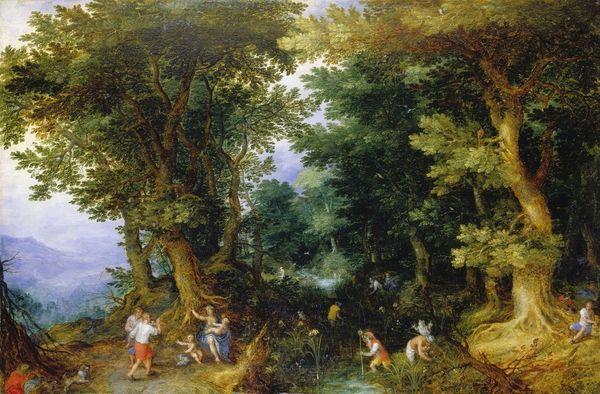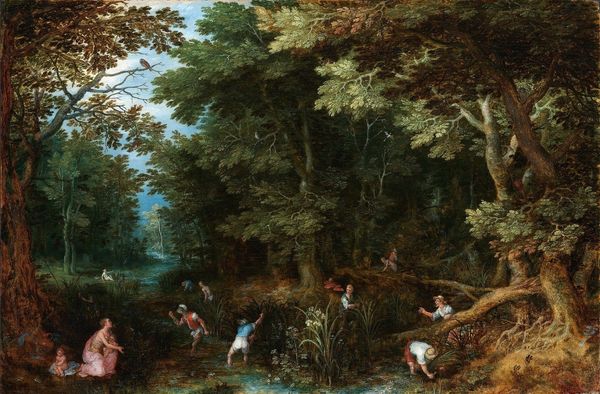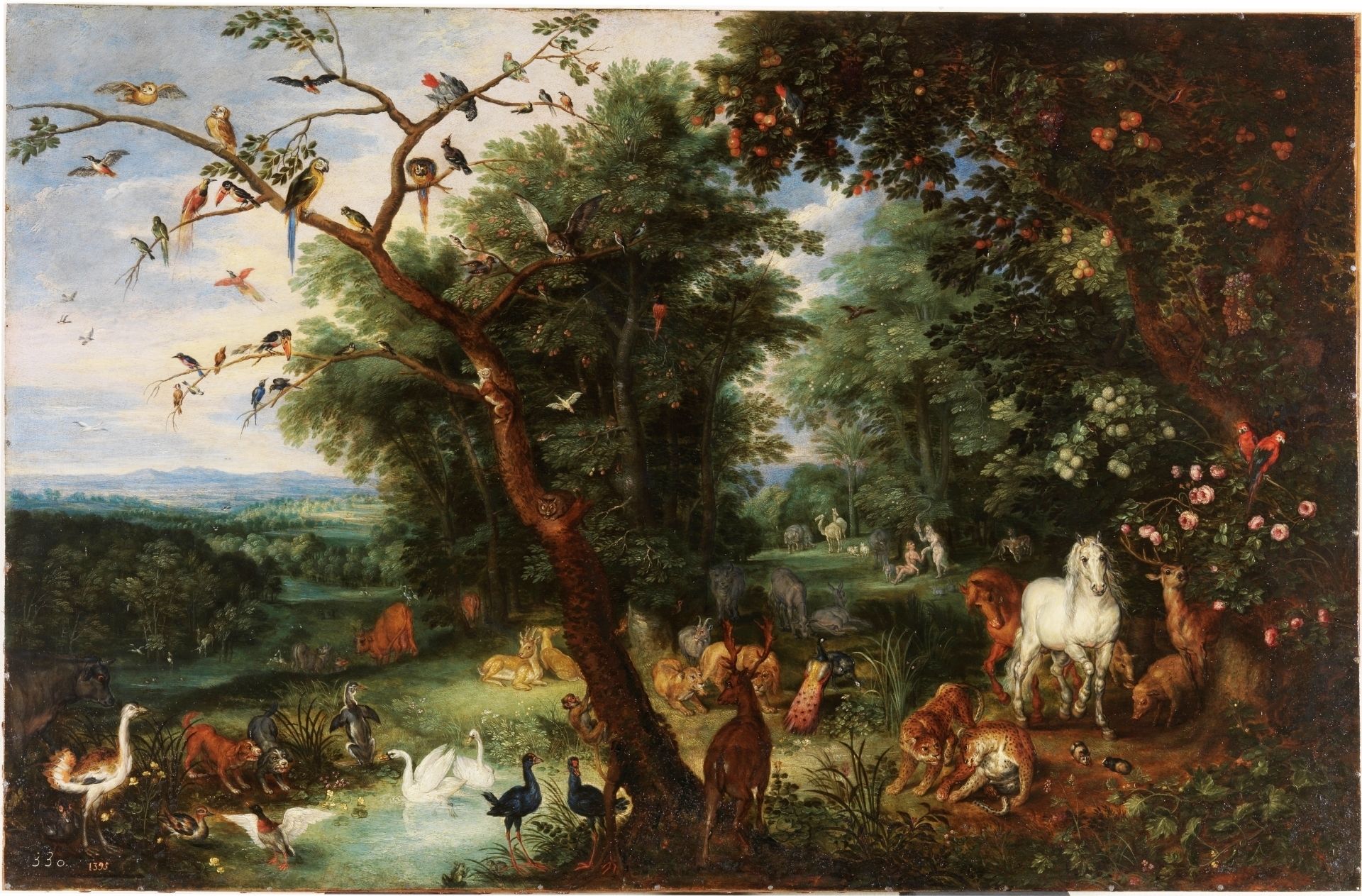
El Paraíso Terrenal Or Earthly Paradise

Listen to curator's interpretation
Curatorial notes
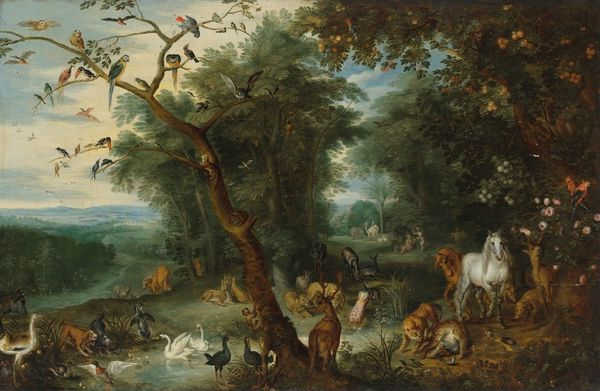
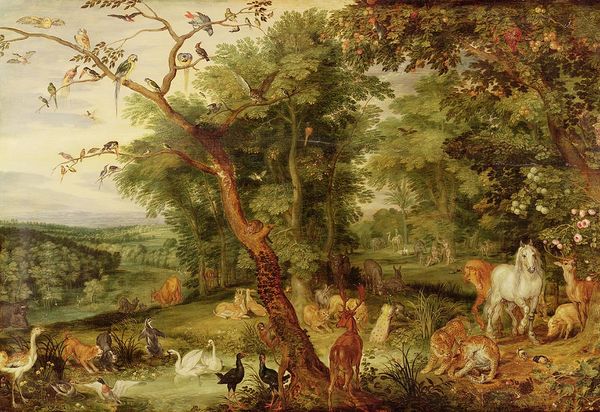
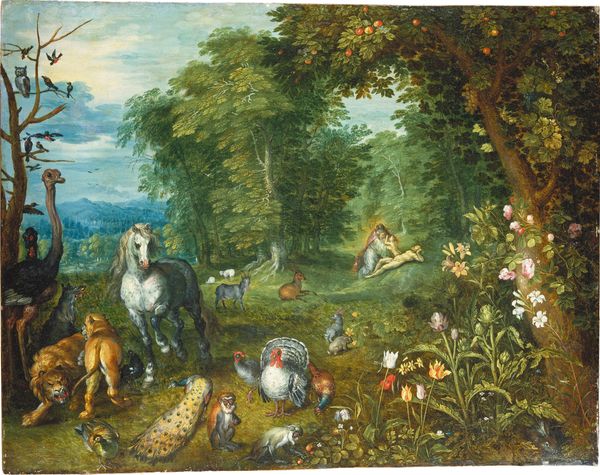
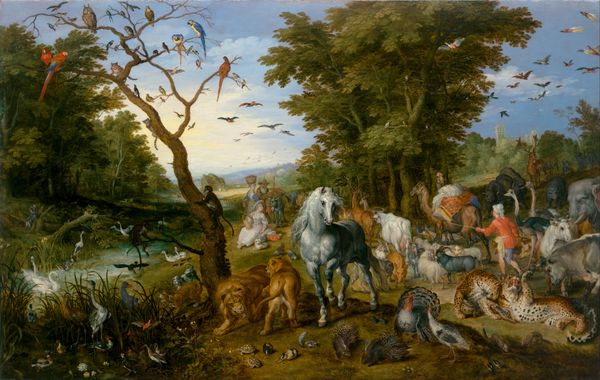
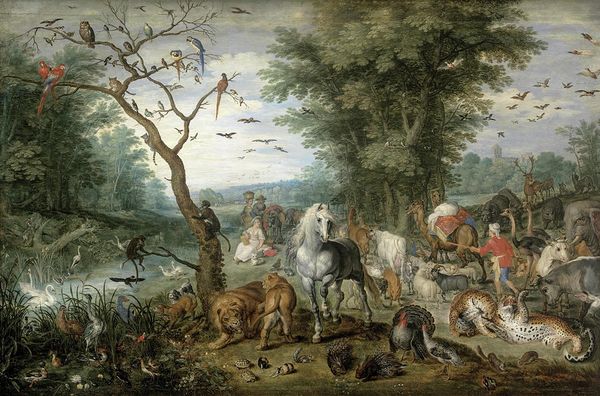
Pieter Brueghel the Younger painted "El Paraíso Terrenal Or Earthly Paradise" in the late 16th or early 17th century. Born into a world of stark religious divides, Brueghel the Younger navigated the tensions between his family's artistic legacy and the societal norms of his time. At first glance, this piece evokes a sense of harmony: lions lie with lambs, birds of every feather populate the trees. But let's consider the cultural context. Brueghel was painting during a period of religious strife, and the fantasy of an earthly paradise is at odds with the religious conflict of the time. Are we looking at a nostalgic longing for a pre-lapsarian state, or a subtle commentary on the impossibility of such harmony in a world fractured by faith? What does it mean to depict a space untouched by the conflicts of the time? The painting becomes a poignant reflection on the human condition, marked by both an enduring desire for peace and an acute awareness of its elusiveness.