About this artwork
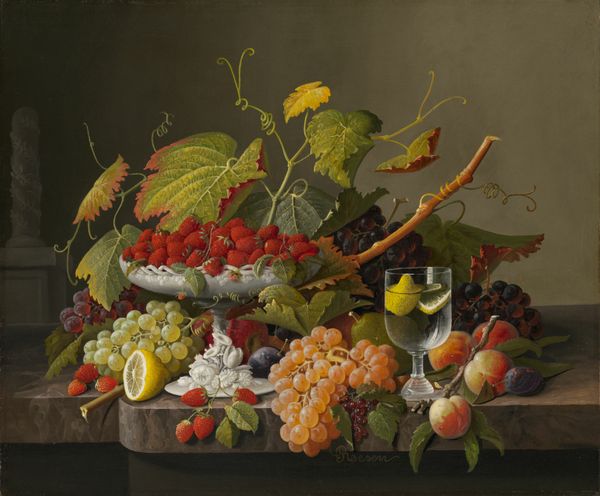
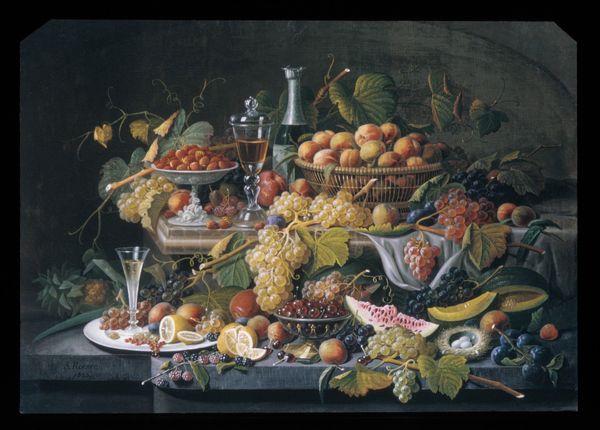
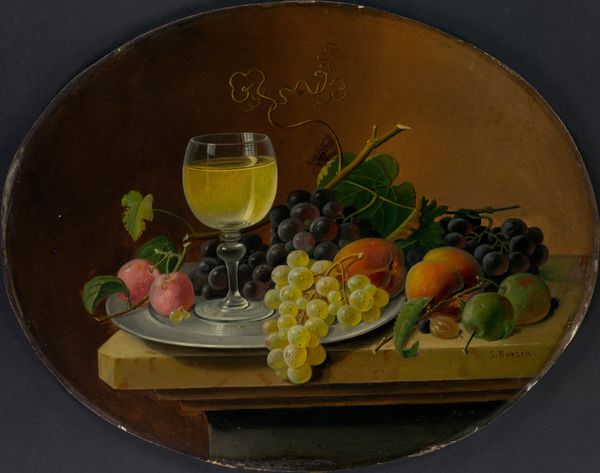
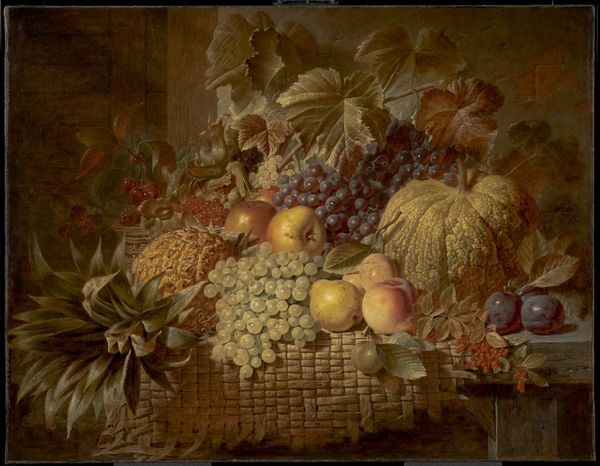
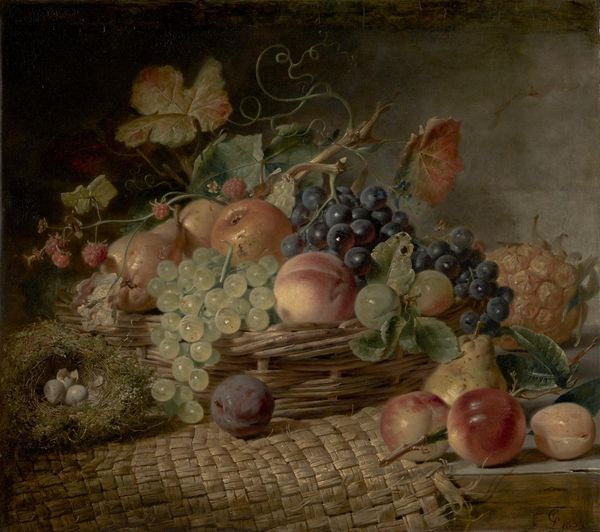
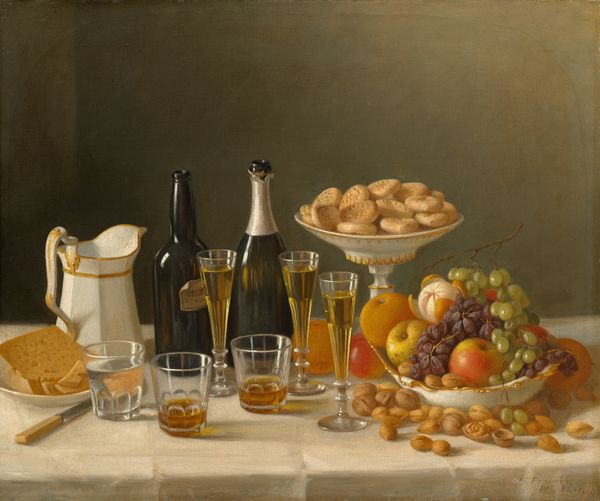
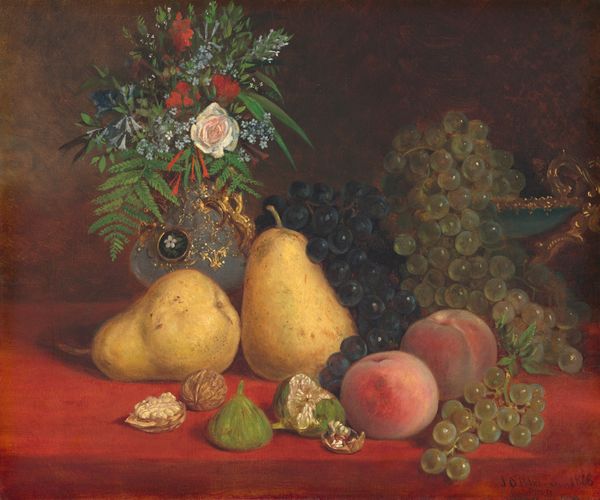
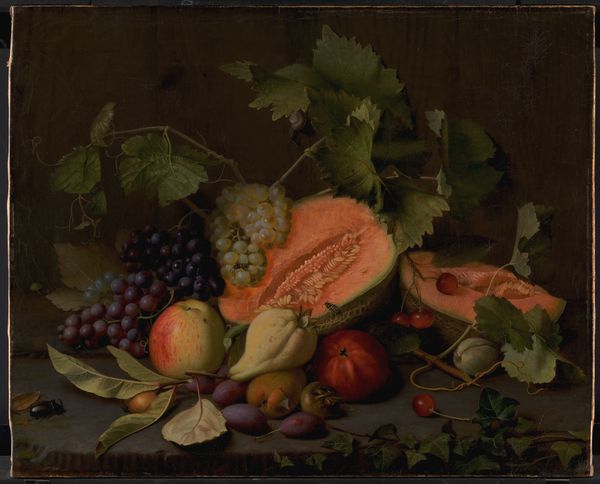
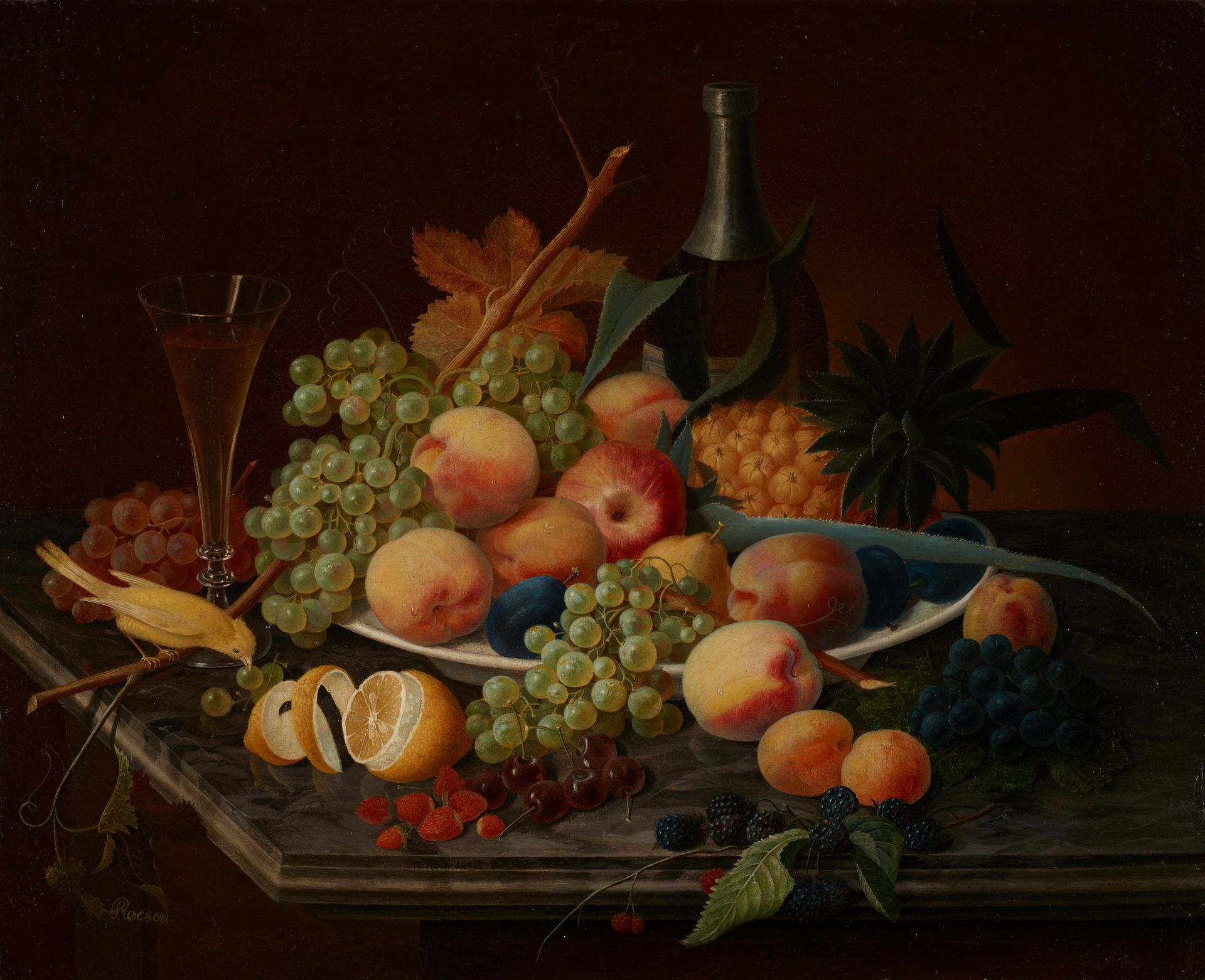
Severin Roesen's "Still Life with Fruit," presents a lavish display of nature's bounty. The pineapple, a symbol of hospitality and wealth, sits prominently. Consider the humble lemon, sliced open, revealing its juicy interior. This evokes associations with vanitas traditions, which remind us of life's transience. We see this in Dutch Golden Age paintings, where the half-peeled lemon symbolizes life's bittersweet qualities. Its sourness, a sharp contrast to the sweetness of other fruits, acts as a memento mori, reminding us of the ephemeral nature of earthly pleasures. The bird, perched precariously, adds a sense of dynamism to the scene. Birds often symbolize the soul or spiritual freedom, appearing in various mythologies. The vibrant colors of the fruit, juxtaposed with the dark background, create a tension that stirs deep-seated emotions of desire, longing, and the inevitable passage of time.
Still Life with Fruit c. 1860


Artwork details
- Dimensions
- 21 1/2 x 26 1/4 in. (54.61 x 66.68 cm) (canvas)29 x 34 1/8 x 3 1/2 in. (73.66 x 86.68 x 8.89 cm) (outer frame)
- Location
- Minneapolis Institute of Art
- Copyright
- Public Domain
Comments

In 19th-century America, a growing wealthy class desired artworks that reflected a life of leisure and abundance. Still lifes and genre paintings filled the bill, simultaneously mirroring and augmenting the material richness of American homes. Trained as a porcelain painter in his native Germany, Severin Roesen became a renowned painter of still lifes after immigrating to the United States in 1848. Conservation of this picture was made possible by a generous contribution from Douglas and Mary Olson through the Art Champions program.
About this artwork
Severin Roesen's "Still Life with Fruit," presents a lavish display of nature's bounty. The pineapple, a symbol of hospitality and wealth, sits prominently. Consider the humble lemon, sliced open, revealing its juicy interior. This evokes associations with vanitas traditions, which remind us of life's transience. We see this in Dutch Golden Age paintings, where the half-peeled lemon symbolizes life's bittersweet qualities. Its sourness, a sharp contrast to the sweetness of other fruits, acts as a memento mori, reminding us of the ephemeral nature of earthly pleasures. The bird, perched precariously, adds a sense of dynamism to the scene. Birds often symbolize the soul or spiritual freedom, appearing in various mythologies. The vibrant colors of the fruit, juxtaposed with the dark background, create a tension that stirs deep-seated emotions of desire, longing, and the inevitable passage of time.
Comments
In 19th-century America, a growing wealthy class desired artworks that reflected a life of leisure and abundance. Still lifes and genre paintings filled the bill, simultaneously mirroring and augmenting the material richness of American homes. Trained as a porcelain painter in his native Germany, Severin Roesen became a renowned painter of still lifes after immigrating to the United States in 1848. Conservation of this picture was made possible by a generous contribution from Douglas and Mary Olson through the Art Champions program.