About this artwork
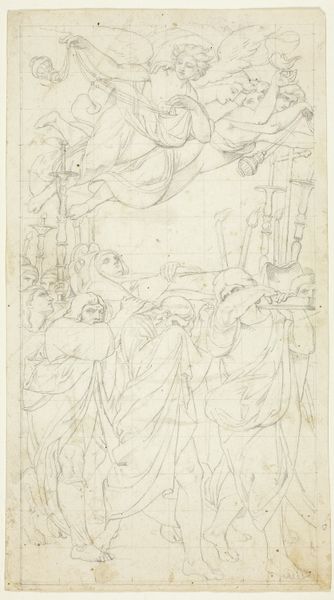
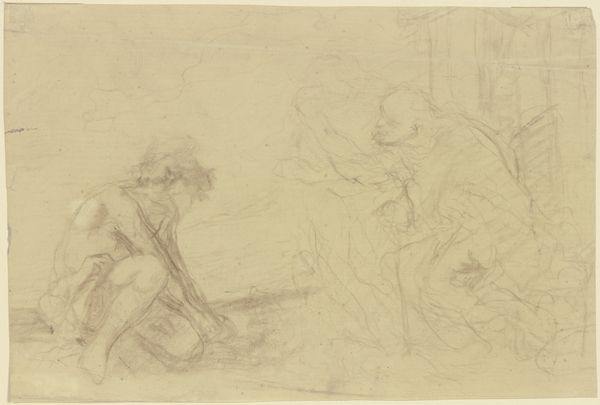
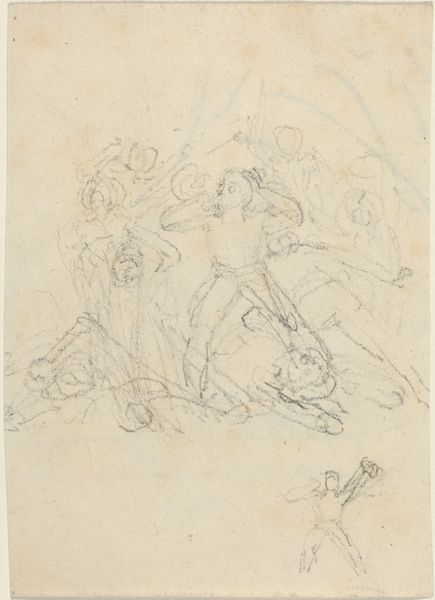
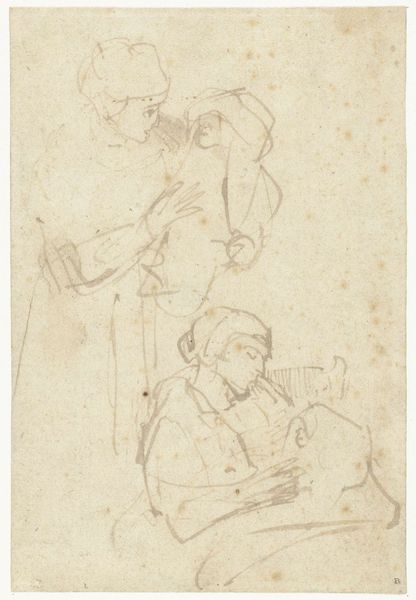
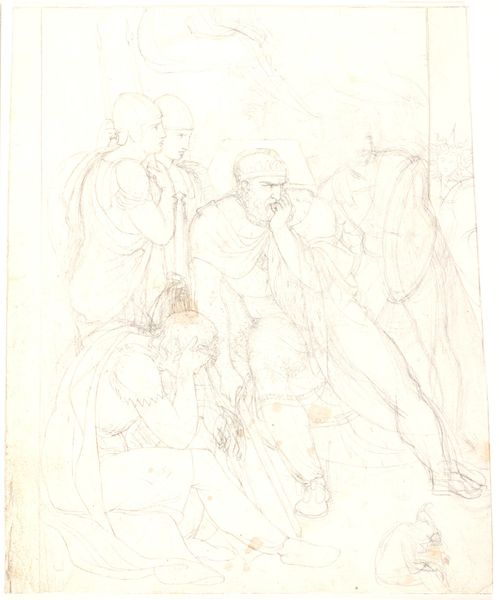
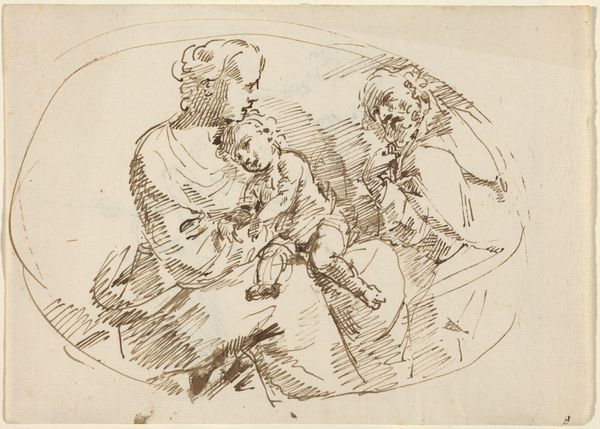
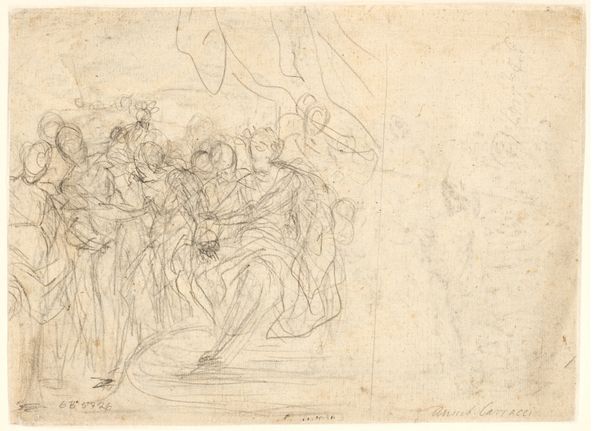
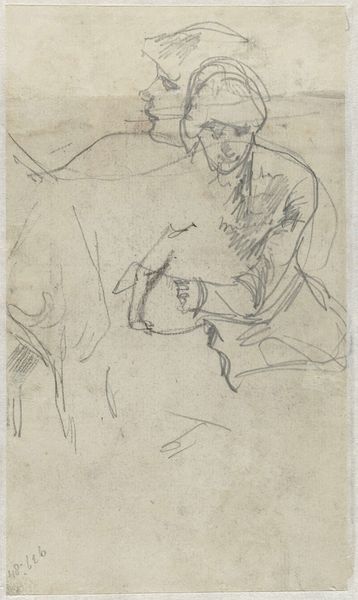
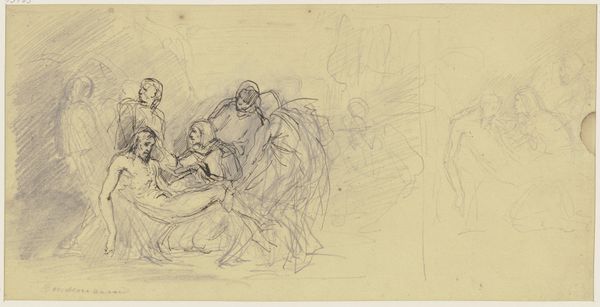
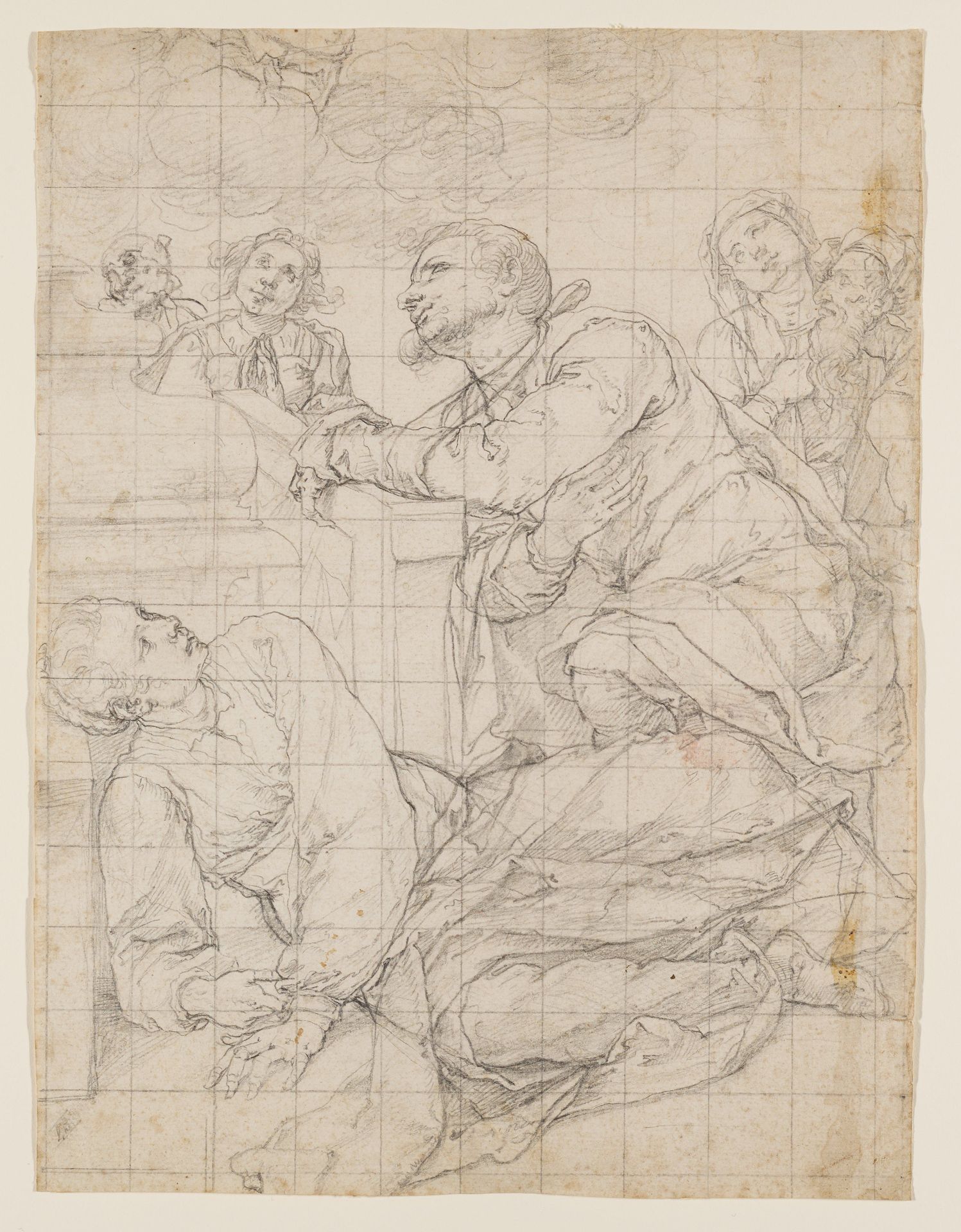
Bartolomeo Cesi made this drawing entitled "A Miraculous Cure" with graphite on paper. In it, we see figures associated with a miraculous event, possibly a biblical healing. Made in Italy, likely in the late 16th or early 17th century, this work reflects the religious fervor of the Counter-Reformation. Cesi, trained in the Bolognese School, combines naturalism with idealized forms. Notice the grid underlying the sketch. This method was typical of the period, used to transfer drawings to a larger scale, maybe for a fresco or painting. The Catholic Church, a major patron of the arts, sought to inspire faith through visual storytelling and art became a tool for religious instruction and propaganda. Historians examine such works in the context of their religious and social functions, using archival research and comparative analysis to reveal their original meanings and purposes. This drawing testifies to the intricate relationship between art, religion, and society in early modern Italy.
A Miraculous Cure
16th-17th century


Artwork details
- Medium
- drawing, pencil
- Dimensions
- 15 3/4 x 9 1/2 in. (40.01 x 24.13 cm) (sheet)23 3/4 x 19 3/4 in. (60.33 x 50.17 cm) (outer frame)
- Location
- Minneapolis Institute of Art
- Copyright
- Public Domain
Tags
Comments
Share your thoughts
About this artwork
Bartolomeo Cesi made this drawing entitled "A Miraculous Cure" with graphite on paper. In it, we see figures associated with a miraculous event, possibly a biblical healing. Made in Italy, likely in the late 16th or early 17th century, this work reflects the religious fervor of the Counter-Reformation. Cesi, trained in the Bolognese School, combines naturalism with idealized forms. Notice the grid underlying the sketch. This method was typical of the period, used to transfer drawings to a larger scale, maybe for a fresco or painting. The Catholic Church, a major patron of the arts, sought to inspire faith through visual storytelling and art became a tool for religious instruction and propaganda. Historians examine such works in the context of their religious and social functions, using archival research and comparative analysis to reveal their original meanings and purposes. This drawing testifies to the intricate relationship between art, religion, and society in early modern Italy.
Comments
Share your thoughts