c. 1557
The Annunciation


Listen to curator's interpretation
Curatorial notes
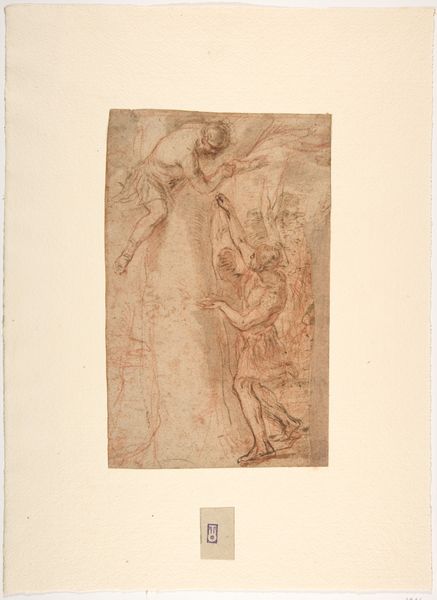
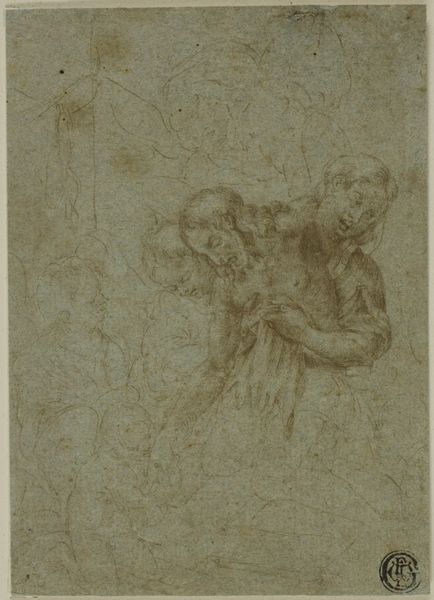
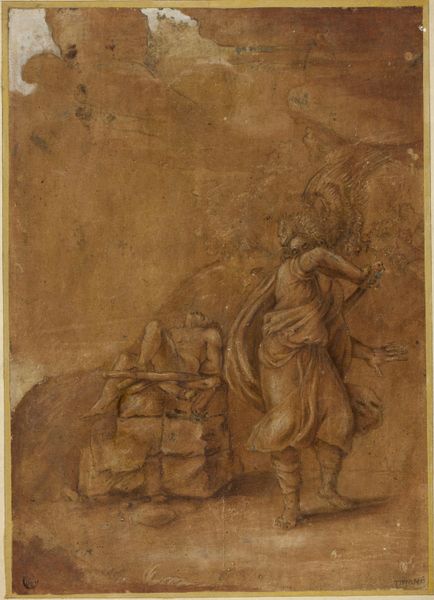
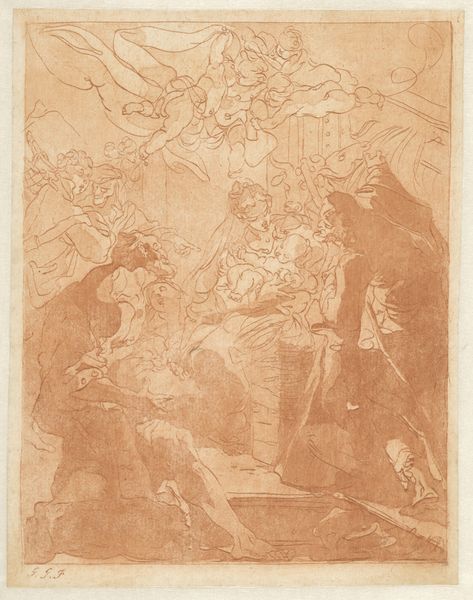
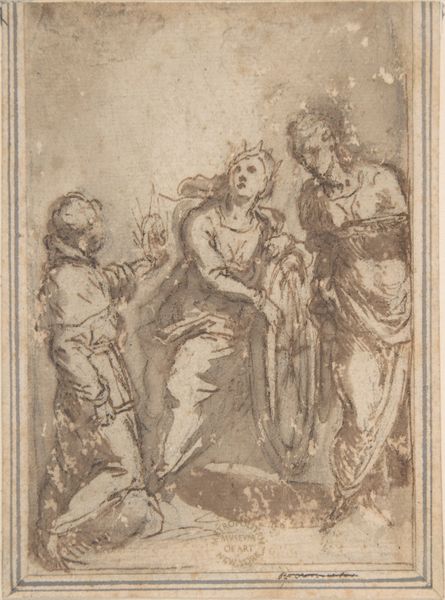
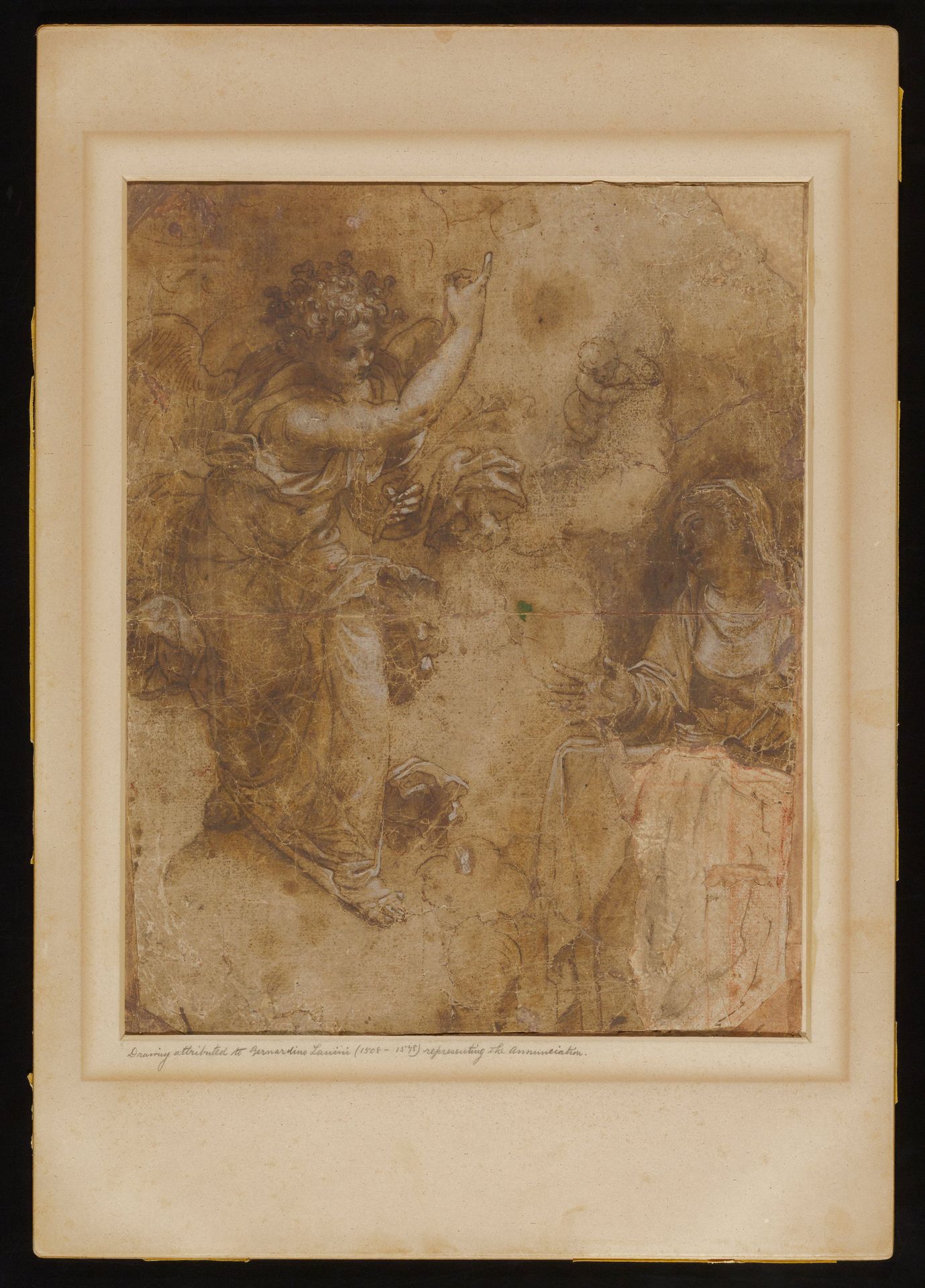
Paolo Farinati made this drawing in Italy, sometime in the late 16th century. It depicts the Annunciation – the moment the Angel Gabriel tells Mary she will bear the son of God. The image gives us a glimpse into the visual culture of the time. Note how Farinati uses dramatic gestures and swirling drapery to create a sense of divine drama, typical of the Mannerist style popular then. Religious art served a crucial social function. It reinforced doctrine, inspired piety, and often bolstered the power of the Church. But this is just a sketch, so how might it have functioned? Drawings like these were vital for artists working in workshops. They allowed for experimentation with composition, and the development of visual ideas, before committing to a final painting. They were also a form of currency, being traded among artists and collectors. Art history can help us to understand how artworks reflect and shape the societies in which they are created. By consulting archival documents, religious texts, and contemporary accounts, we can gain a deeper appreciation. We can consider an artwork’s changing meanings and uses over time, and its place within a complex web of social relations.