1892
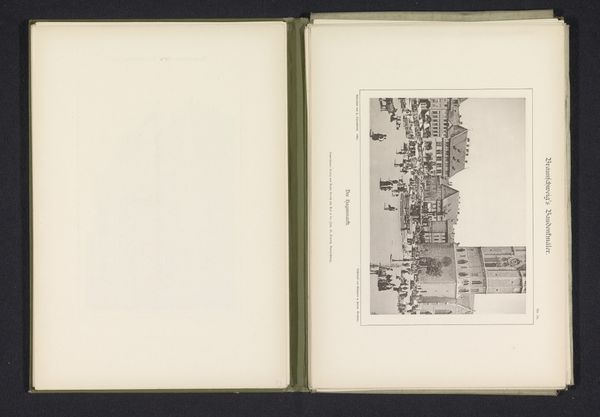
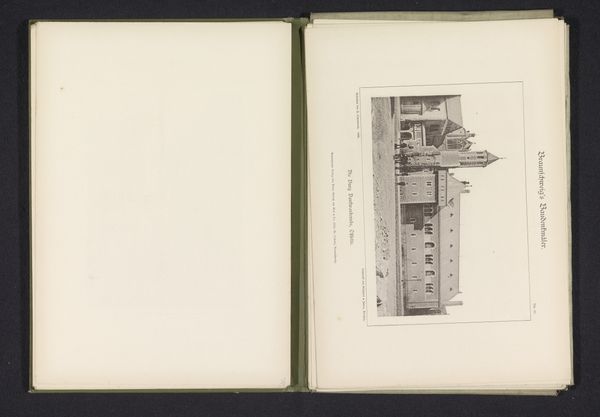
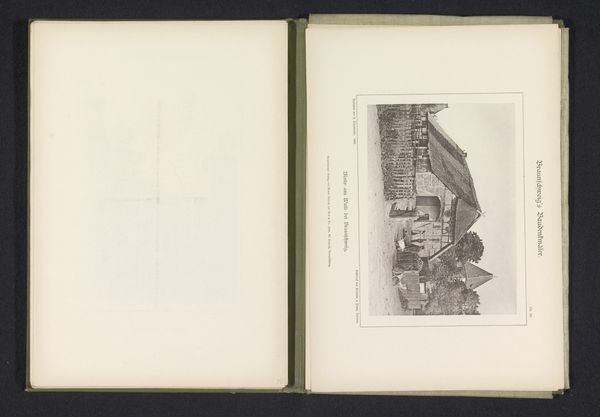
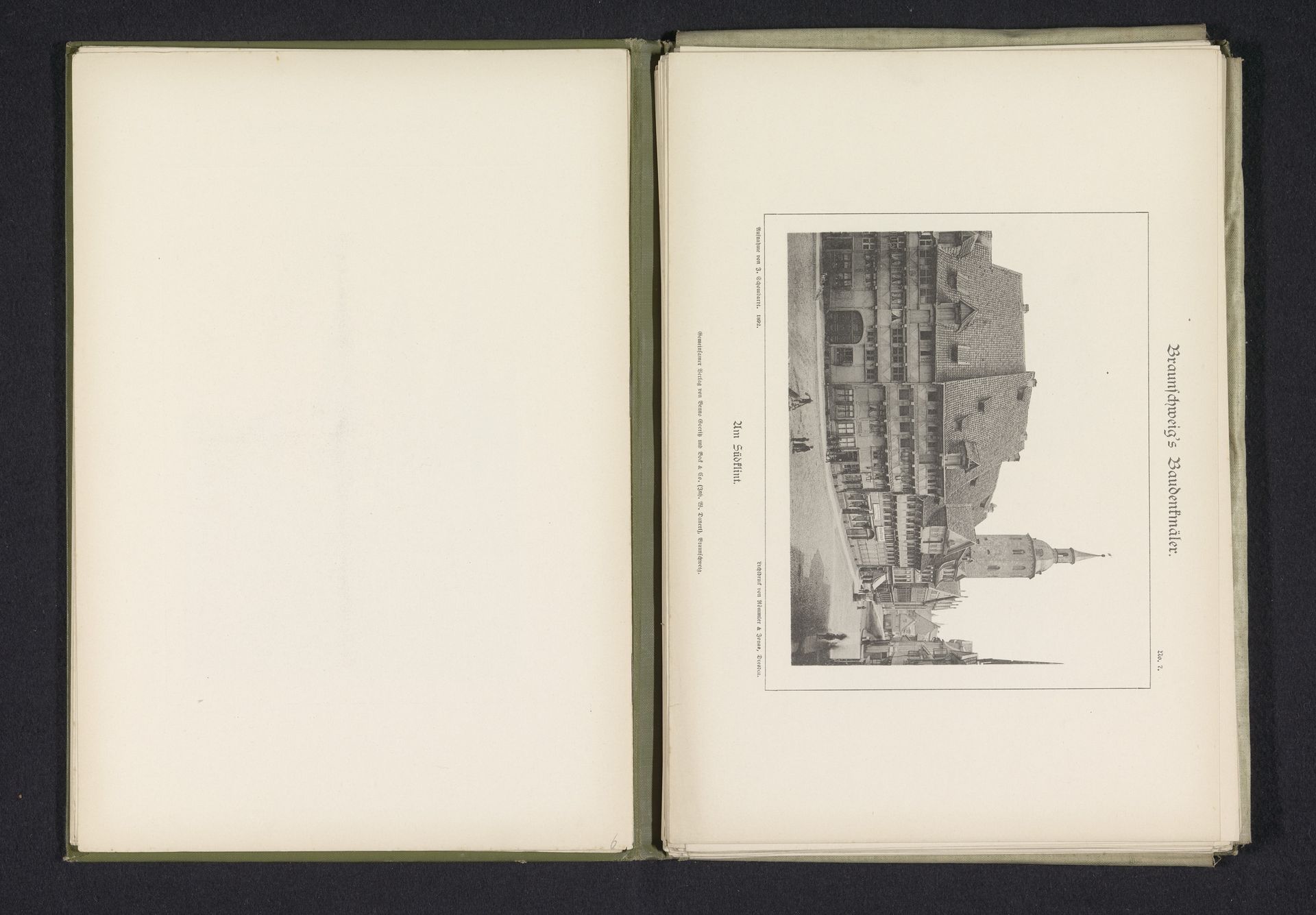
Gezicht op de Südklint te Braunschweig

Listen to curator's interpretation
Curatorial notes
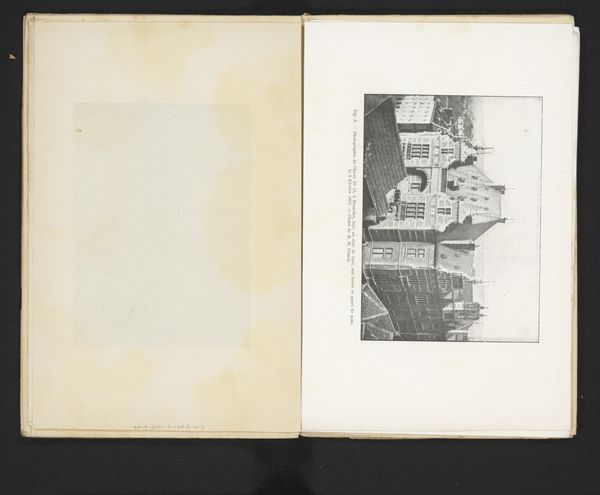
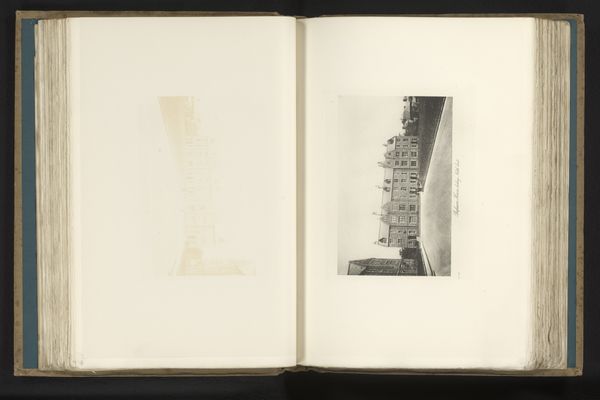
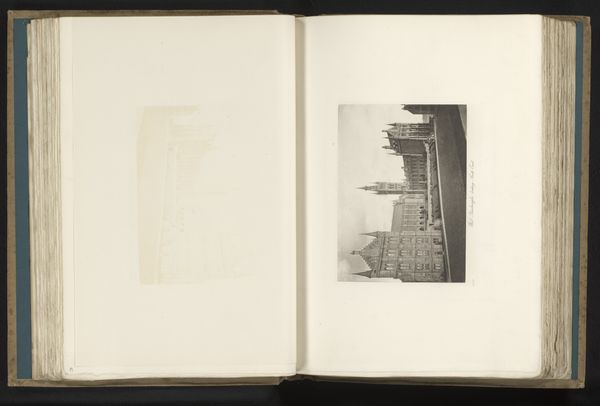
Editor: So, this is "Gezicht op de Südklint te Braunschweig," which roughly translates to "View of the Südklint in Braunschweig," from 1892. It's an etching, by J. Schombardt, beautifully rendering a cityscape. There's almost a nostalgic feel to it. What captures your attention when you look at it? Curator: Nostalgia is a great starting point. It reminds me of wandering through old photographs at my grandmother’s house – that hazy, distant charm. Etchings, you know, they’re almost like whispers from the past, each line carefully considered. This cityscape feels so precise, almost photographic, yet softened somehow. Editor: Yes, softened, exactly! It does look like a photograph, but there's something more artistic about it, more dreamlike. What would everyday life have been like in this city at this time? Curator: Picture cobbled streets, horse-drawn carriages... perhaps a gas lamp flickering in the evening. The print makes me think about how rapidly the world was changing then. Photography becoming accessible, etching capturing a sort of timeless ideal… Do you feel a sense of history held within this particular view? Editor: Definitely. It makes me wonder if people at the time saw themselves as living in history, or were they just going about their days, oblivious? Curator: A beautiful question! Perhaps they sensed it in the grand architecture around them. Consider the labor involved in those structures! And I imagine that Schombardt, through his etching, sought to memorialize the here-and-now that could, in time, vanish into the there-and-then. It all ties into the beauty of holding the past in one’s hands. Editor: That’s a profound point. The etching feels like a conscious act of preserving a moment. I hadn’t thought about it that way before! Curator: It also makes you wonder, what will we preserve, or seek to remember? Thanks for the interesting viewpoint.