1768
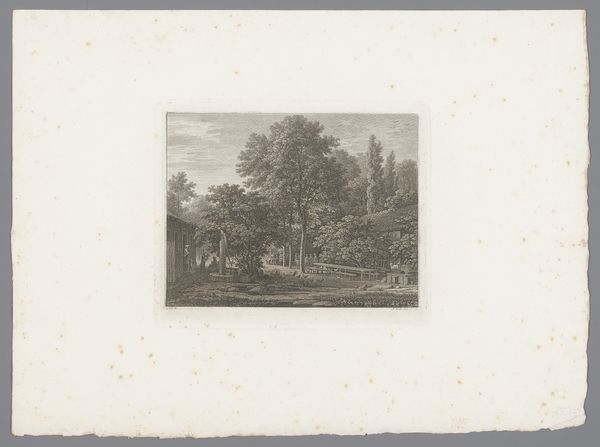
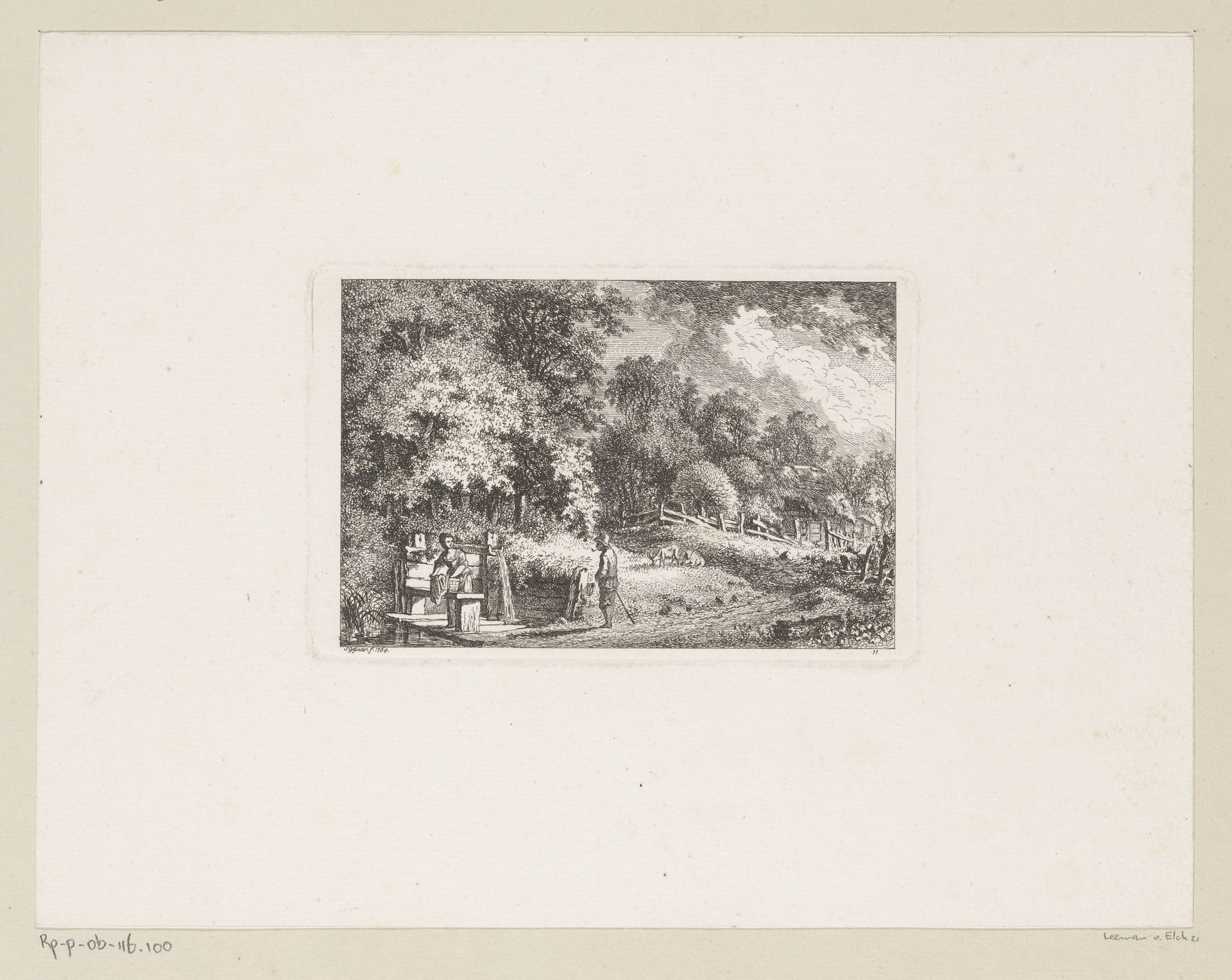
Wassende vrouw aan de bosrand

Salomon Gessner
1730 - 1788Location
RijksmuseumListen to curator's interpretation
Curatorial notes
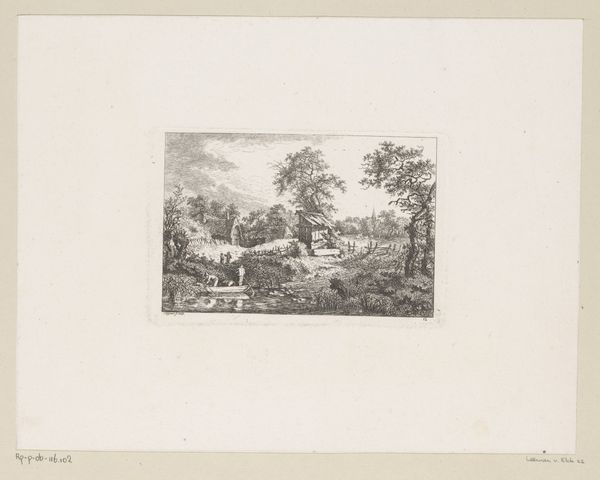
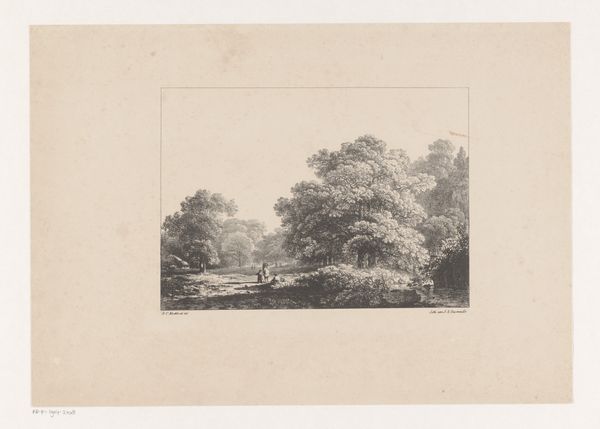
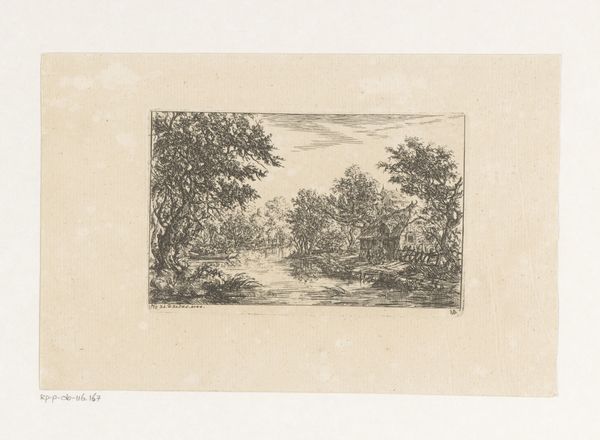
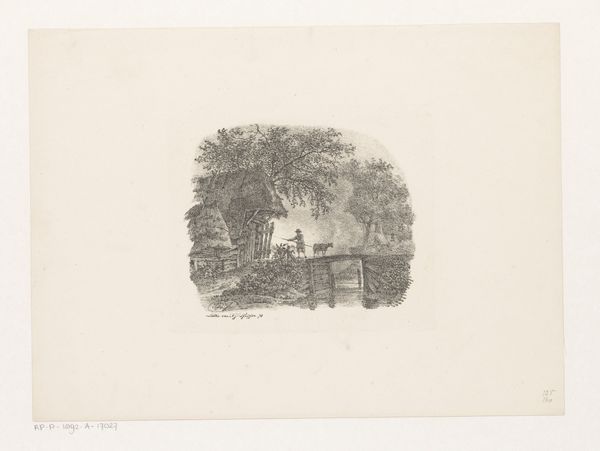
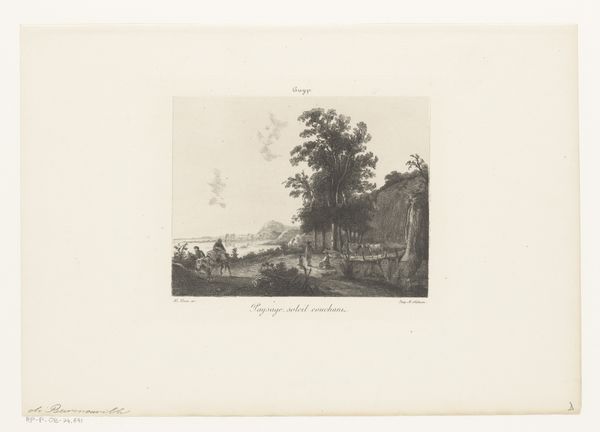
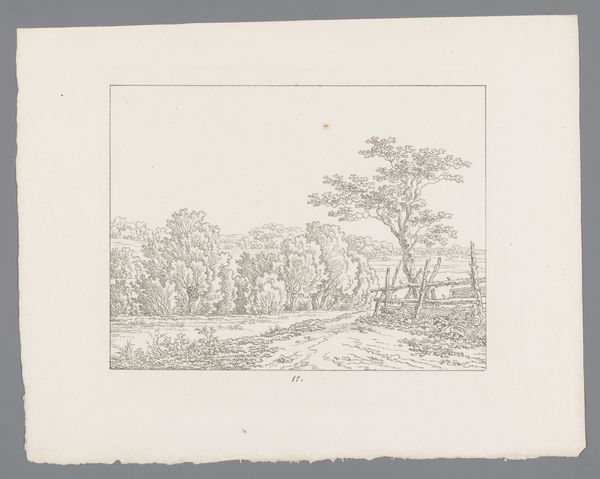
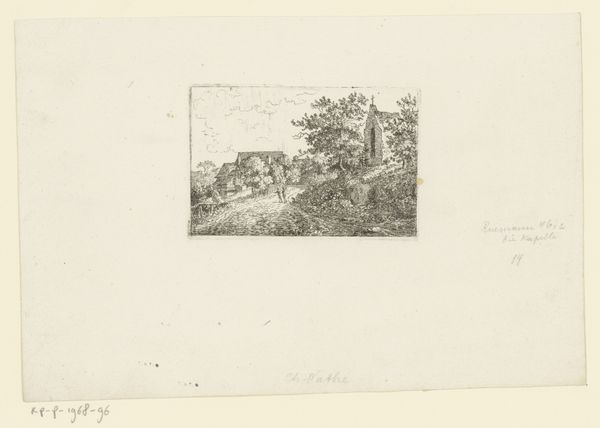
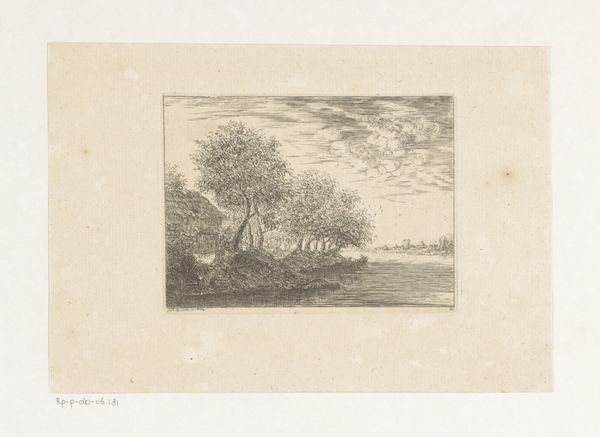
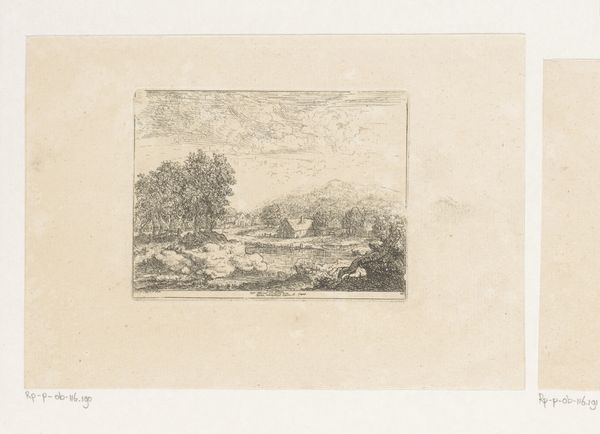
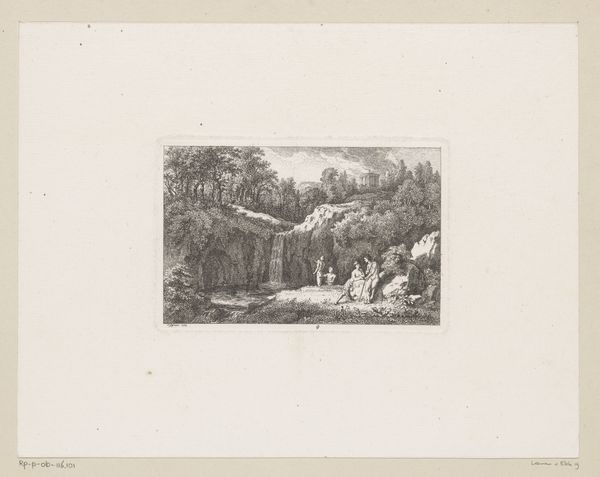
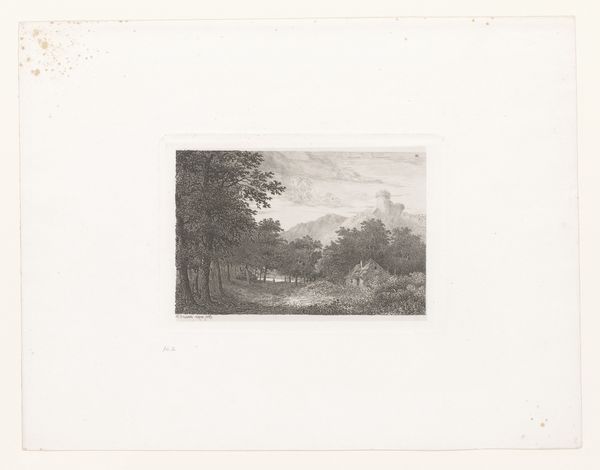
Salomon Gessner created this print, "Washing Woman at the Edge of the Forest," sometime in the late 18th century. During this period, Europe's social structure was highly stratified, with stark divisions based on gender and class. Gessner, influenced by Enlightenment ideals, often depicted idealized pastoral scenes. In this small print, we observe women engaged in the labor-intensive task of washing clothes, a common occupation for lower-class women. Consider the emotional weight of this daily grind, set against the backdrop of an idealized landscape. How might the artist be both romanticizing and acknowledging the realities of women's work? Look at how the image portrays the relationship between humans and nature. Does it celebrate a harmonious existence, or does it reveal the tensions between labor and leisure? This work prompts us to reflect on the intersection of gender, class, and labor in the 18th century, and how art can both reinforce and challenge societal norms.