About this artwork
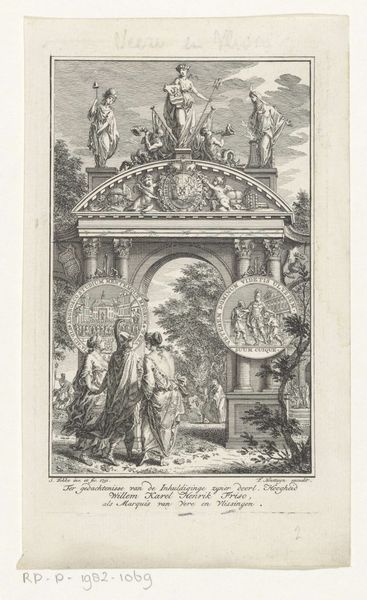
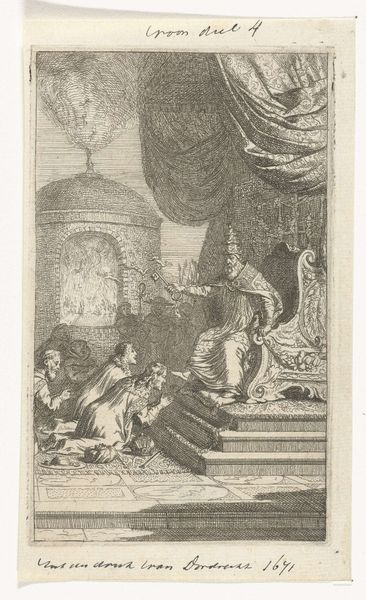
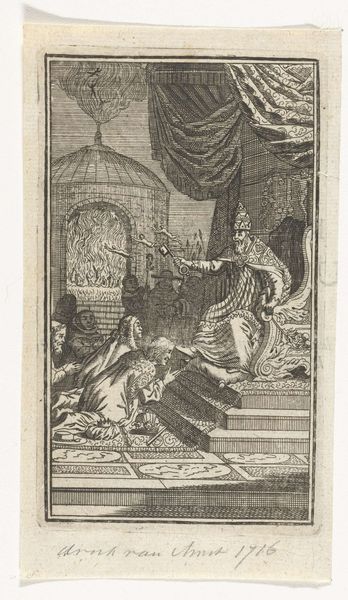
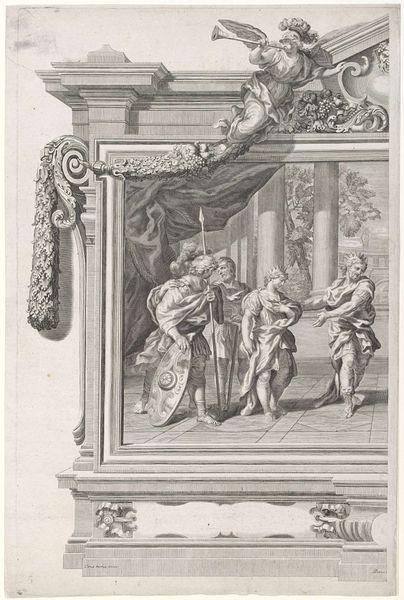
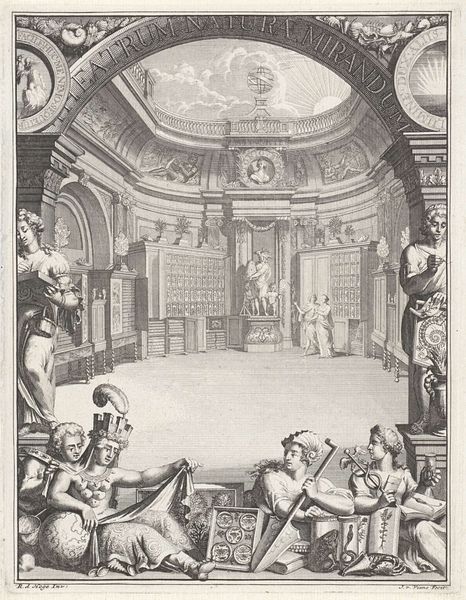
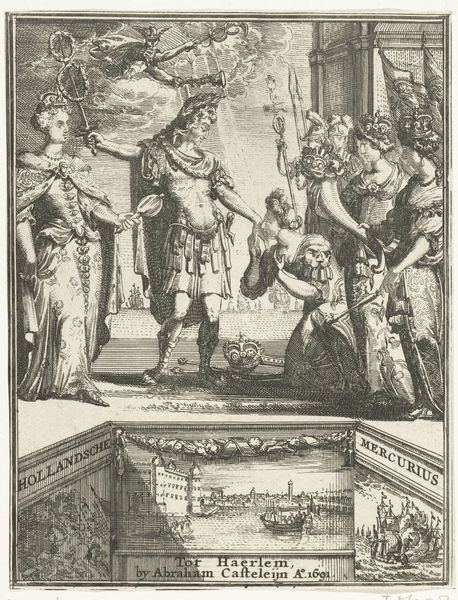
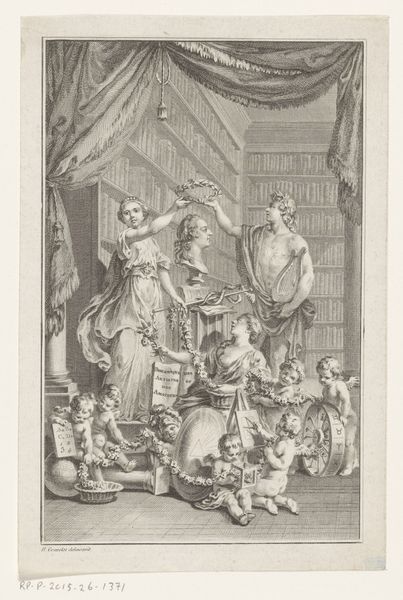
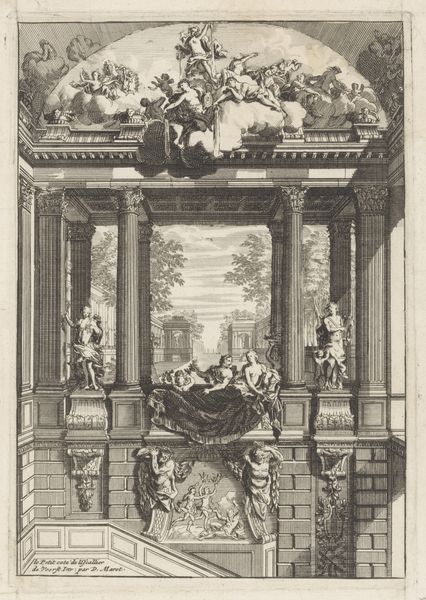
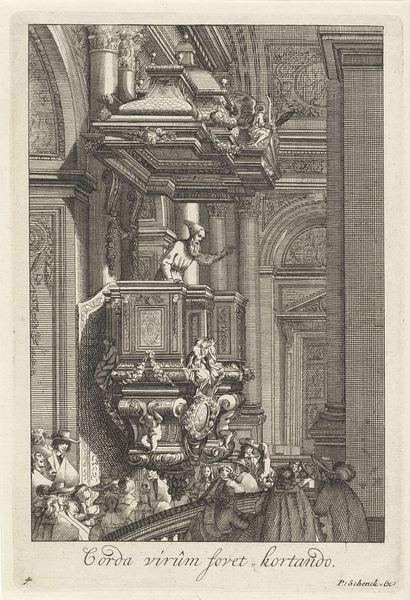
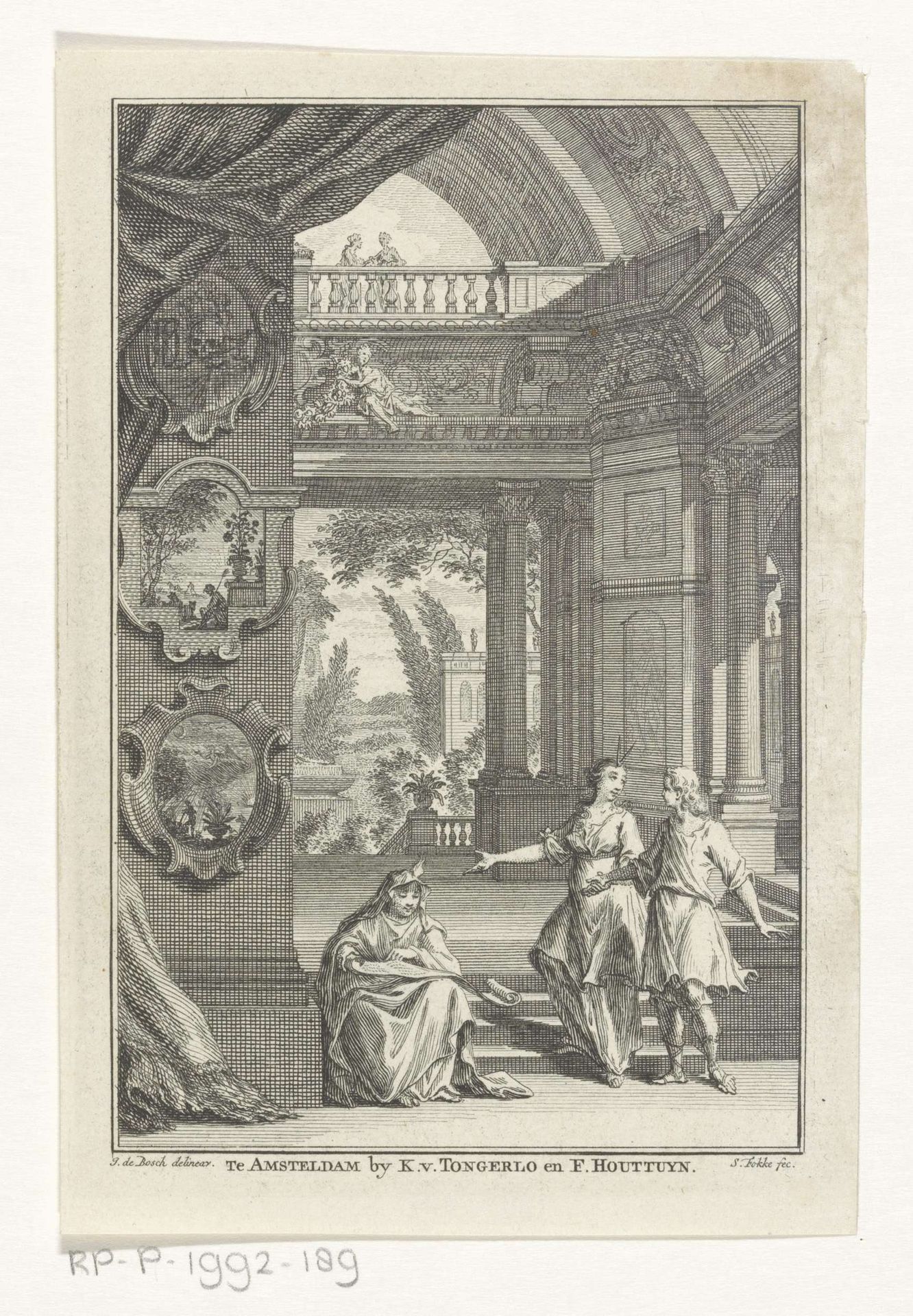
This allegorical print, depicting religious zeal, was made by Simon Fokke in the 18th century. As an etching, it was made by covering a copper plate with a waxy, acid-resistant ground. The artist then used a sharp needle to draw through the ground, exposing the metal. The plate was then immersed in acid, which bit into the exposed lines, creating an image that could be inked and printed. Looking closely, you can see that the relative ease of this process lent itself to very fine detail. With etching, the emphasis is on the artist’s skill as a draughtsperson. It’s a relatively direct process, and therefore a good vehicle for intellectual concepts. Prints like this one were made in multiples, and were relatively inexpensive. They served to disseminate ideas widely. In this case, the subject is religious devotion, but prints could also be used to circulate political arguments, social satire, or scientific discoveries. The etching process allowed for a democratization of imagery, extending access to a wider public and contributing to debates about culture, power and knowledge.
Allegorische voorstelling met Vroomheid of Geloofsijver
1754

Simon Fokke
1712 - 1784Location
RijksmuseumArtwork details
- Medium
- print, engraving
- Dimensions
- height 139 mm, width 97 mm
- Location
- Rijksmuseum
- Copyright
- Rijks Museum: Open Domain
Tags
baroque
old engraving style
genre-painting
history-painting
engraving
Comments
Be the first to share your thoughts about this work.
About this artwork
This allegorical print, depicting religious zeal, was made by Simon Fokke in the 18th century. As an etching, it was made by covering a copper plate with a waxy, acid-resistant ground. The artist then used a sharp needle to draw through the ground, exposing the metal. The plate was then immersed in acid, which bit into the exposed lines, creating an image that could be inked and printed. Looking closely, you can see that the relative ease of this process lent itself to very fine detail. With etching, the emphasis is on the artist’s skill as a draughtsperson. It’s a relatively direct process, and therefore a good vehicle for intellectual concepts. Prints like this one were made in multiples, and were relatively inexpensive. They served to disseminate ideas widely. In this case, the subject is religious devotion, but prints could also be used to circulate political arguments, social satire, or scientific discoveries. The etching process allowed for a democratization of imagery, extending access to a wider public and contributing to debates about culture, power and knowledge.
Comments
Be the first to share your thoughts about this work.