About this artwork
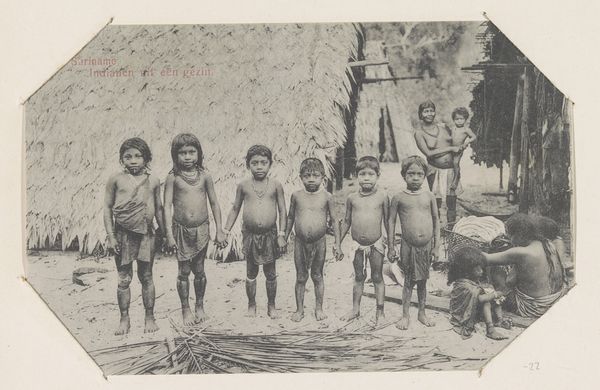
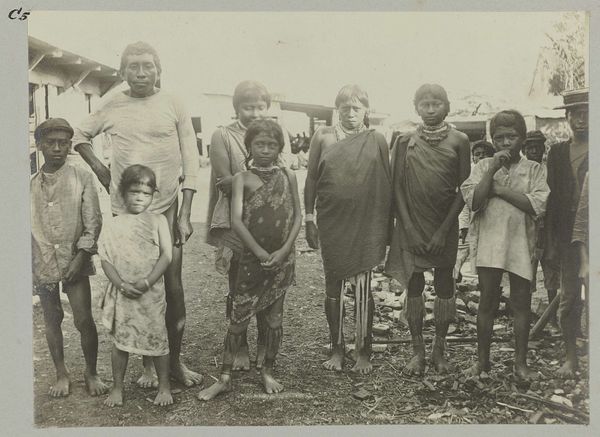
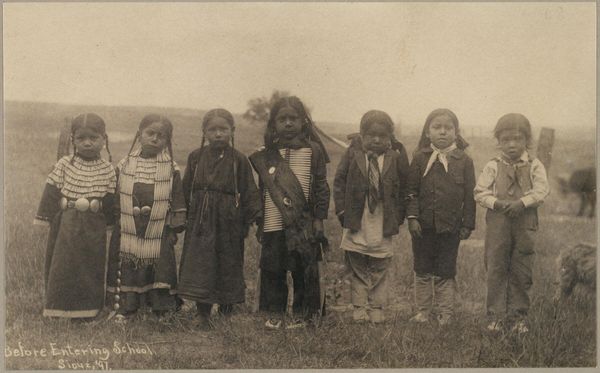
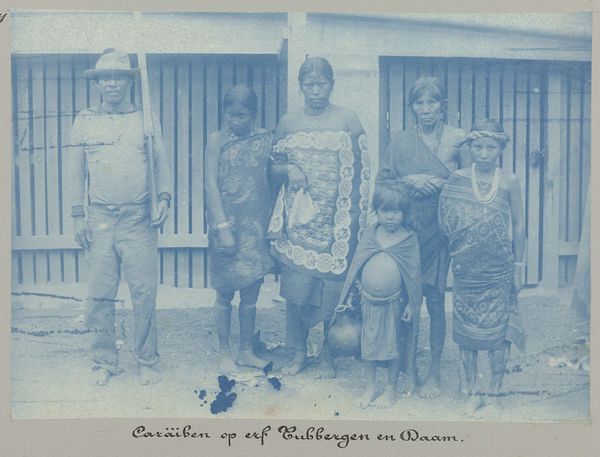
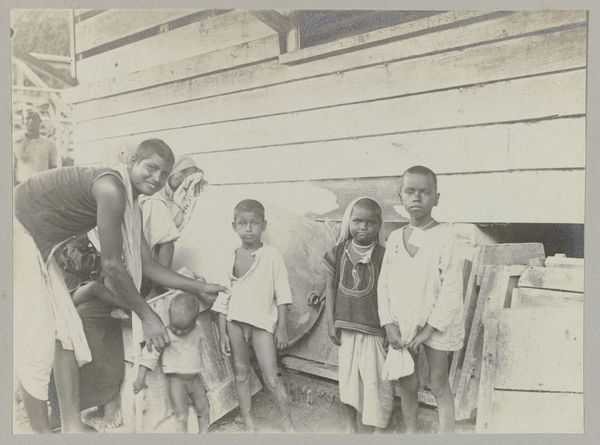
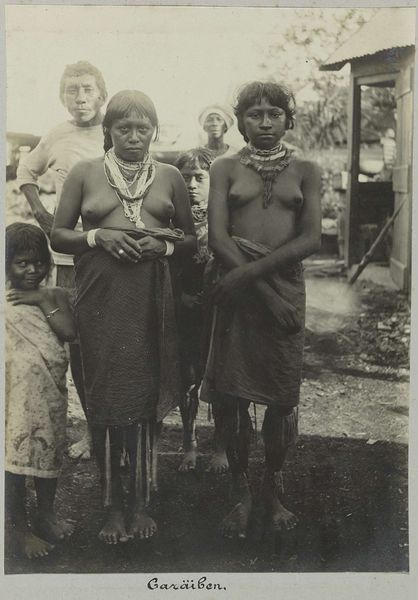
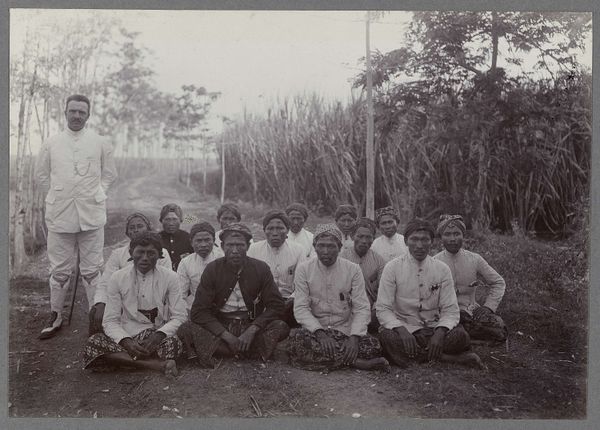
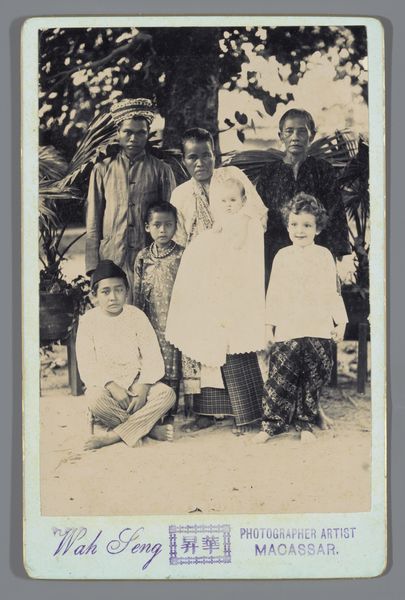
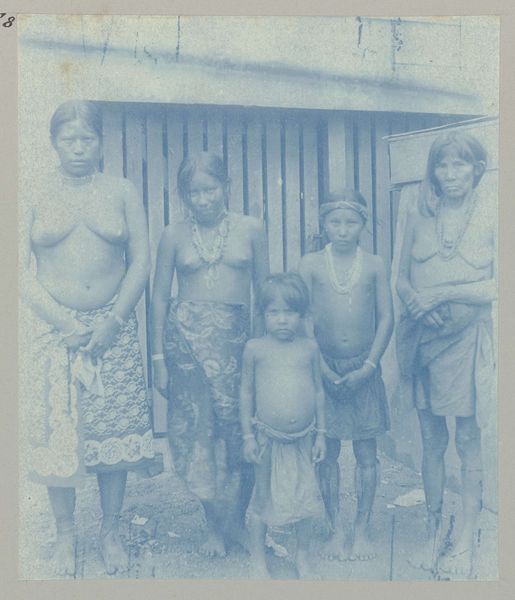
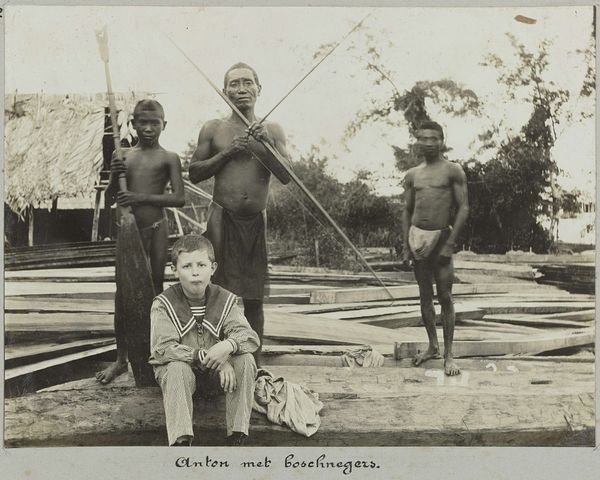
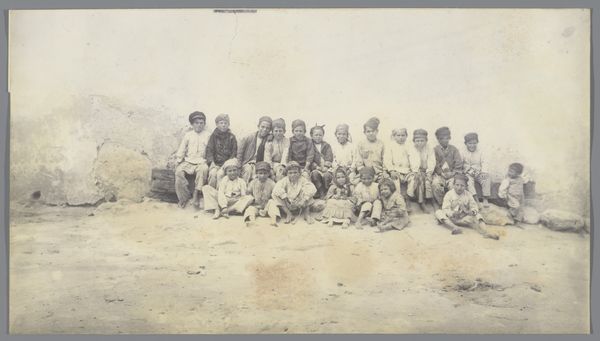
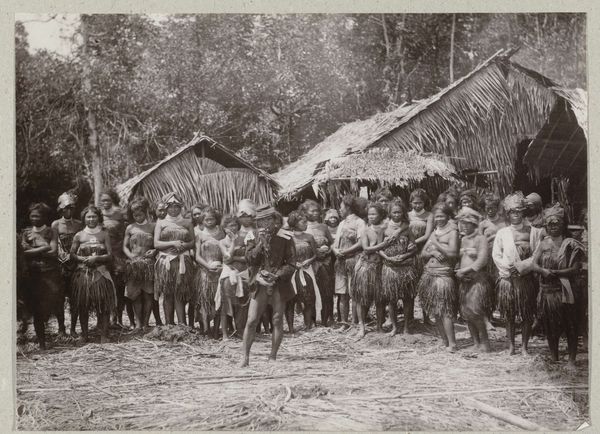
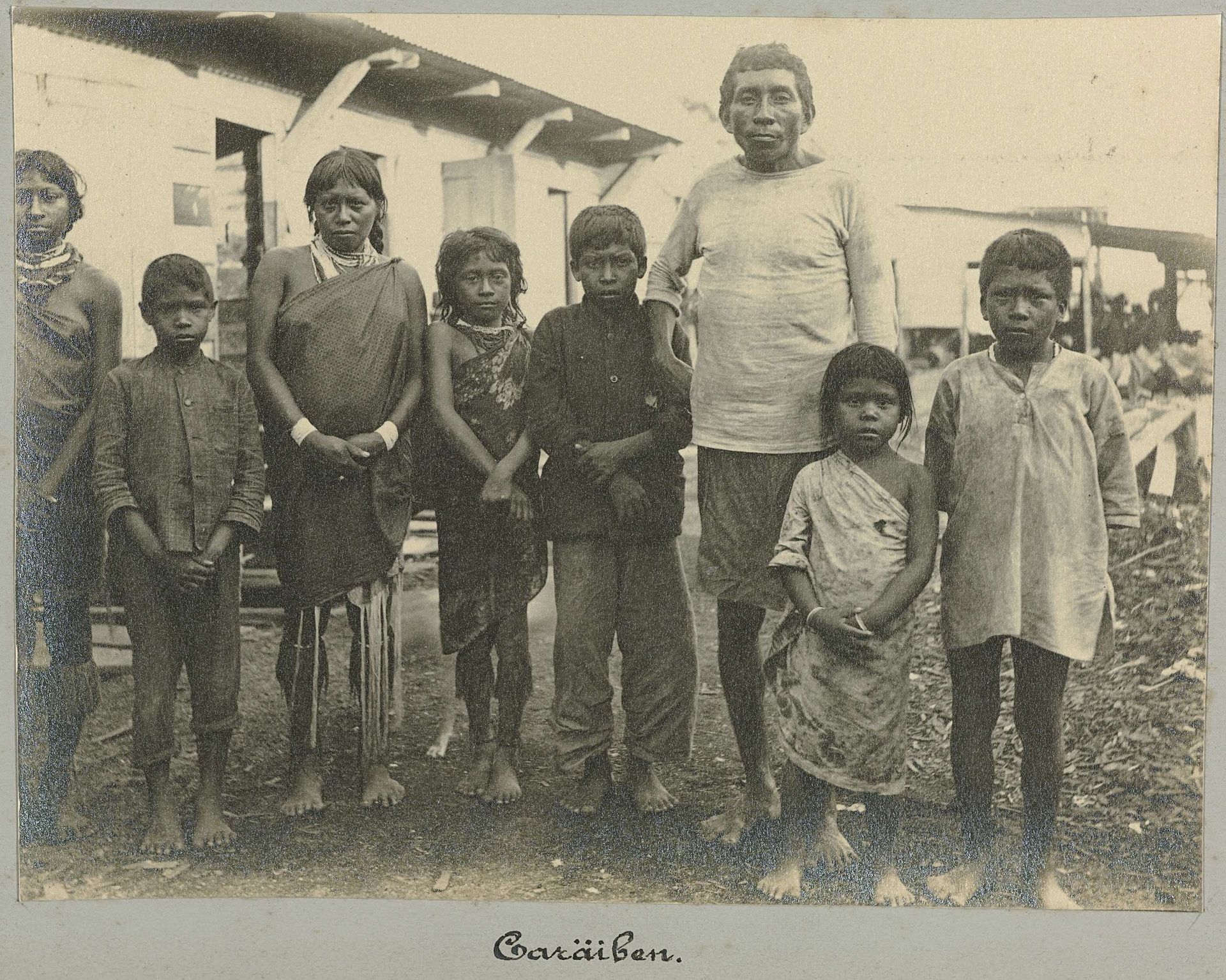
This photograph, by Hendrik Doijer, seems to capture a moment in time with a focus on tone. It’s interesting how the artist uses a muted palette to draw attention to the details within the composition. The way the light filters across the subjects' faces, the subtle gradations in the background, it all feels very intentional. I’m drawn to the texture of the clothing, how it seems to absorb the light, creating a sense of depth and substance. There’s a beautiful contrast between the smooth skin of the figures and the rougher texture of their surroundings. It reminds me a little of early photographers like Julia Margaret Cameron, who also used soft focus and tonal contrast to create a sense of atmosphere and emotional depth. Ultimately, this piece reminds us that art is not just about what we see, but how we see it, and how we choose to interpret the world around us.

Artwork details
- Medium
- photography, gelatin-silver-print
- Dimensions
- height 122 mm, width 165 mm
- Copyright
- Rijks Museum: Open Domain
Tags
portrait
photography
historical photography
portrait reference
gelatin-silver-print
indigenous-americas
Comments
Be the first to share your thoughts about this work.
About this artwork
This photograph, by Hendrik Doijer, seems to capture a moment in time with a focus on tone. It’s interesting how the artist uses a muted palette to draw attention to the details within the composition. The way the light filters across the subjects' faces, the subtle gradations in the background, it all feels very intentional. I’m drawn to the texture of the clothing, how it seems to absorb the light, creating a sense of depth and substance. There’s a beautiful contrast between the smooth skin of the figures and the rougher texture of their surroundings. It reminds me a little of early photographers like Julia Margaret Cameron, who also used soft focus and tonal contrast to create a sense of atmosphere and emotional depth. Ultimately, this piece reminds us that art is not just about what we see, but how we see it, and how we choose to interpret the world around us.
Comments
Be the first to share your thoughts about this work.