1533 - 1535
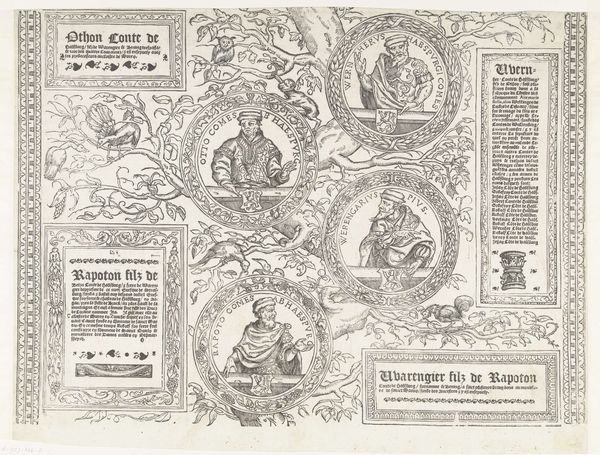
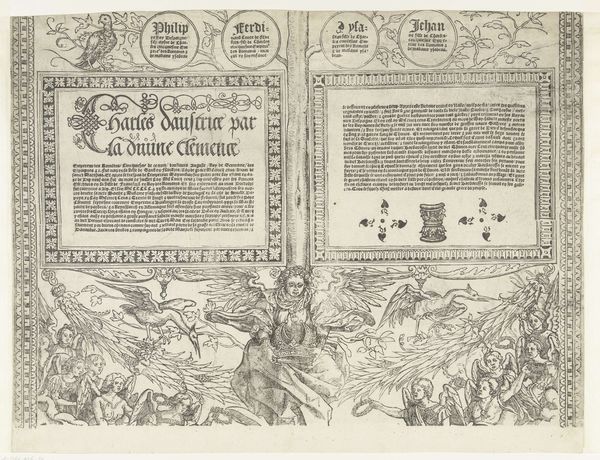
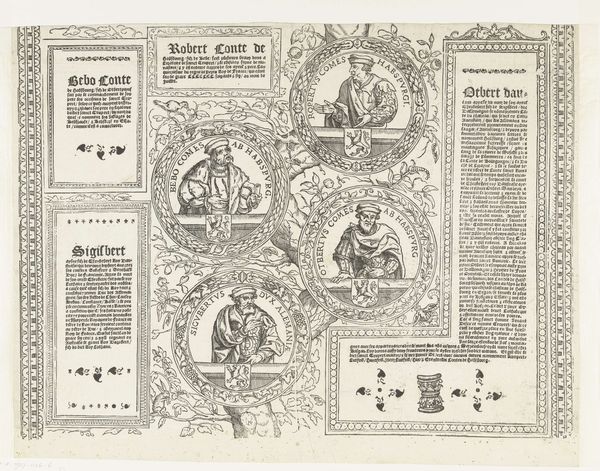
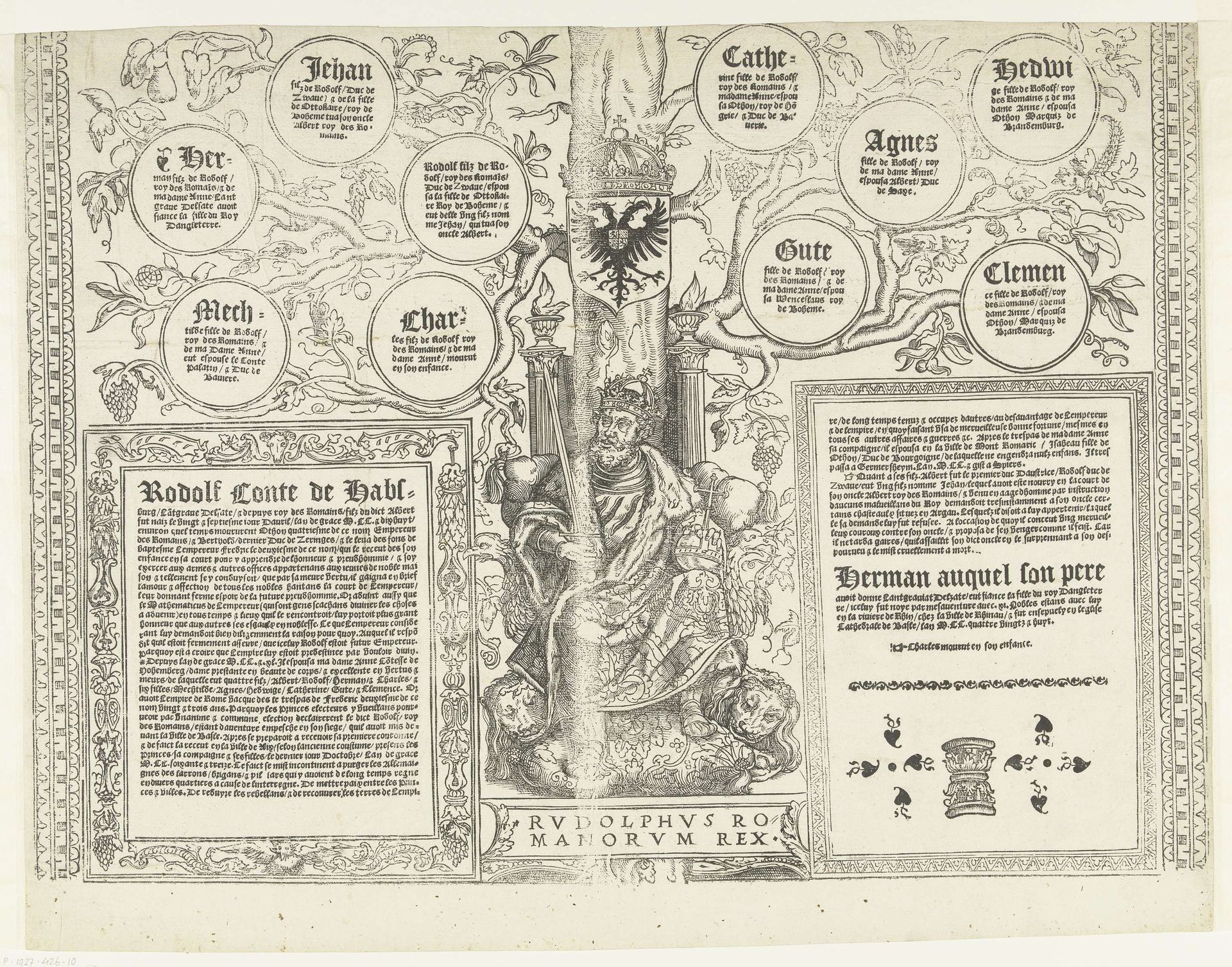
Stamboom van het Habsburgse huis, blad tien

Listen to curator's interpretation
Curatorial notes
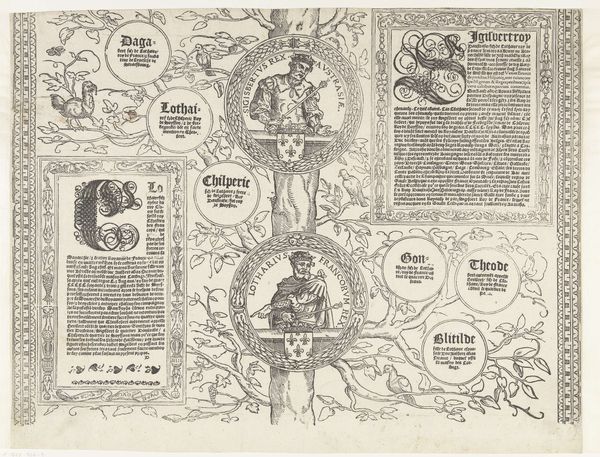
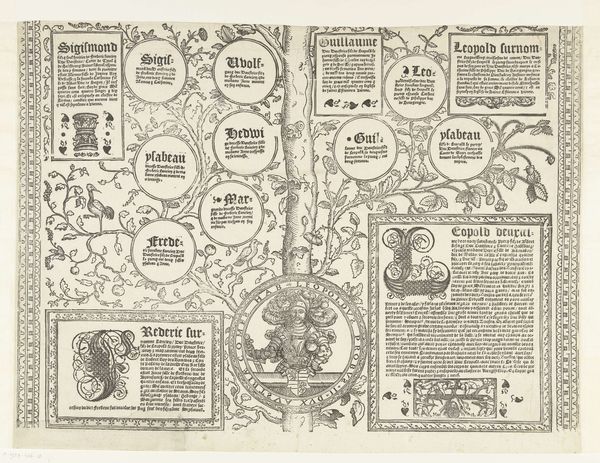
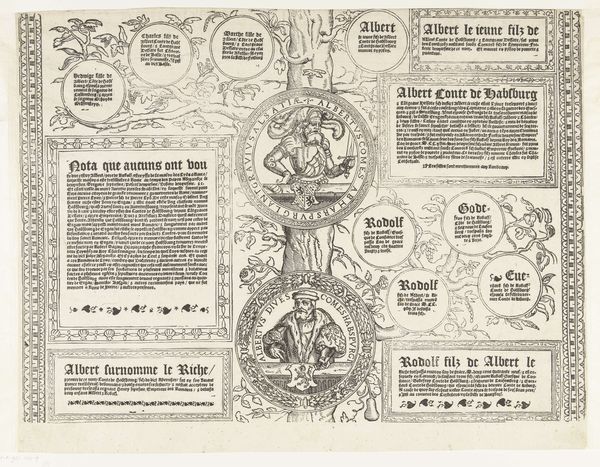
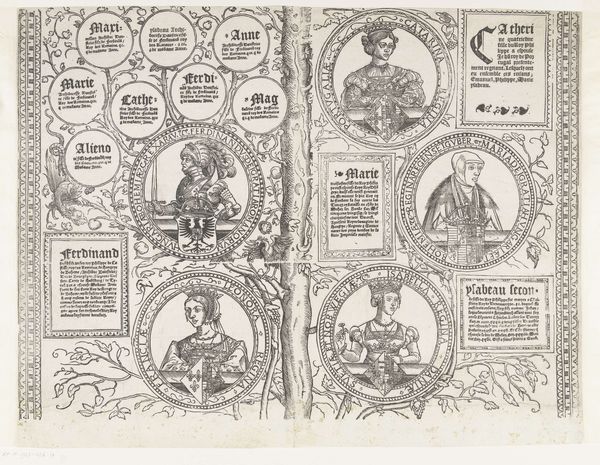
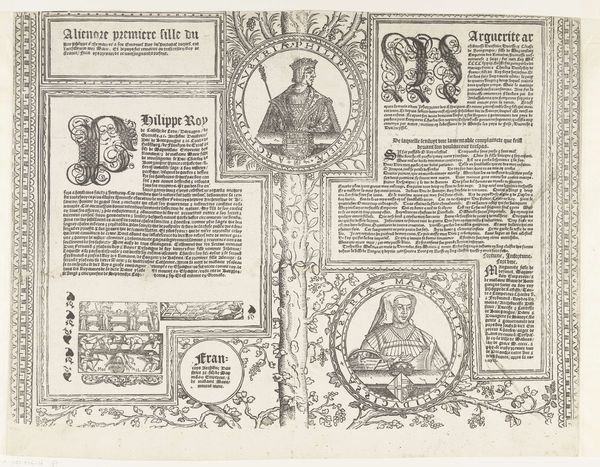
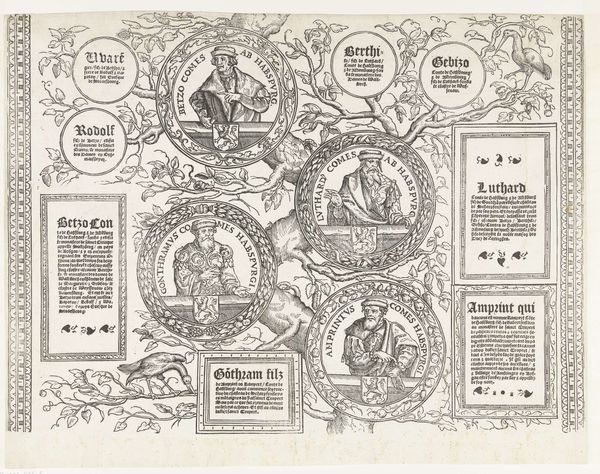
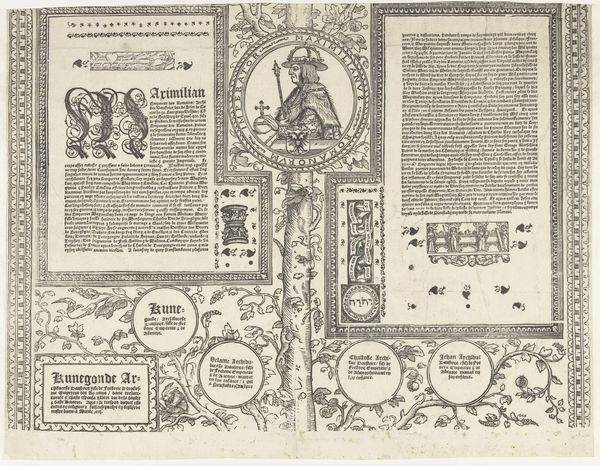
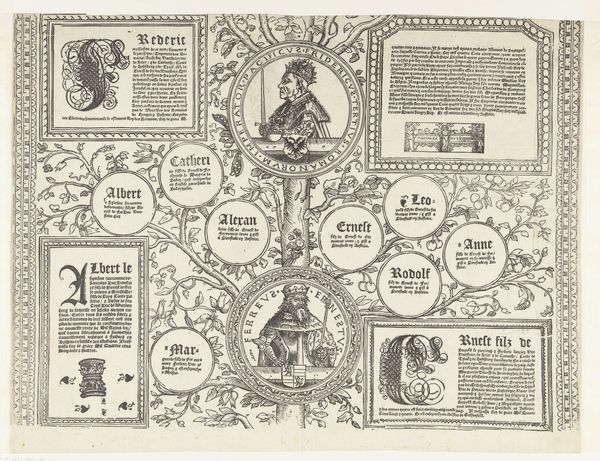
Robert Péril created this Habsburg family tree. Here, the Habsburg dynasty springs forth, depicted as an elaborate arboreal structure. The family tree motif, deeply rooted in cultural memory, extends far beyond mere genealogical representation. Observe how the Habsburgs deliberately situate themselves within this tradition, seeking to draw legitimacy and a sense of timelessness. Such trees also appear in illuminated manuscripts and tapestries across Europe, suggesting a shared visual language used by those in power. But the tree is not merely a symbol of ancestry; it represents the cyclical nature of life, death, and rebirth. Notice also the heraldic imagery, particularly the eagle perched atop the central figure, Rudolf. This ancient symbol, appropriated by empires from Rome to the Holy Roman Empire, speaks of power, authority, and divine sanction. It evokes a visceral response, connecting to collective memories of imperial grandeur, stirring emotions of pride and allegiance, yet also, perhaps, of fear and subjugation. It is a powerful force, engaging viewers on a deep, subconscious level, demonstrating how symbols resurface, evolving in meaning through different historical contexts.