About this artwork
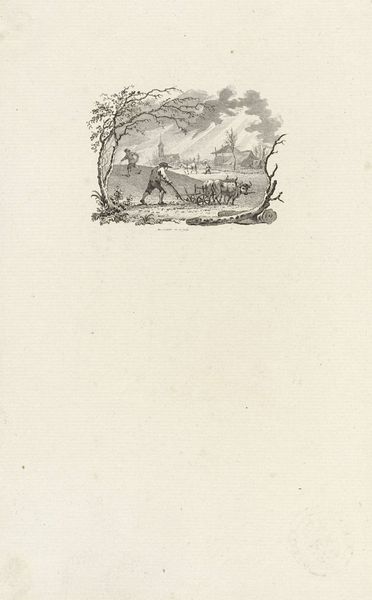
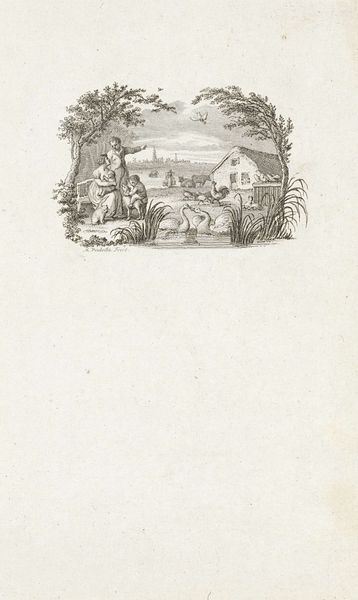
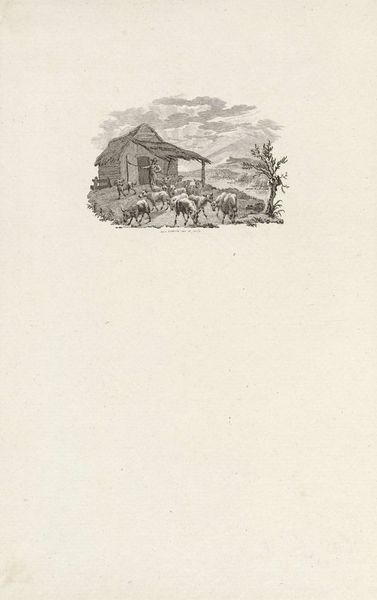
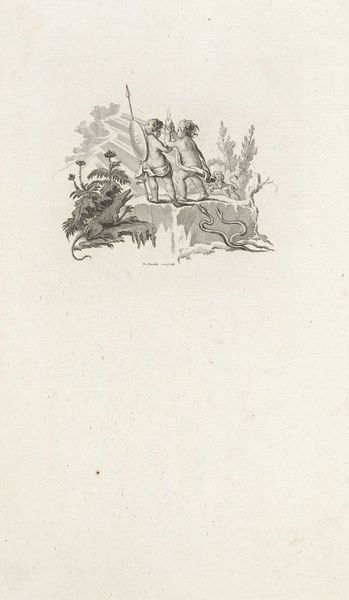
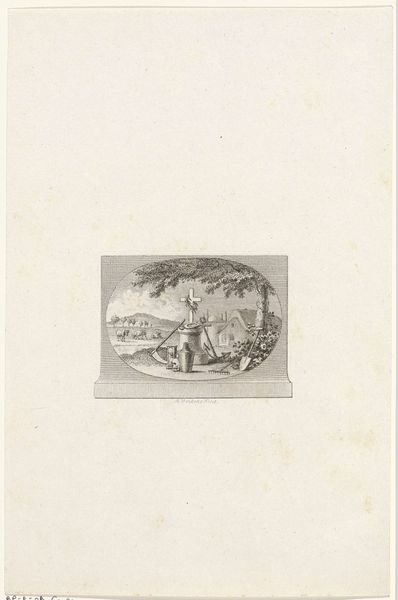
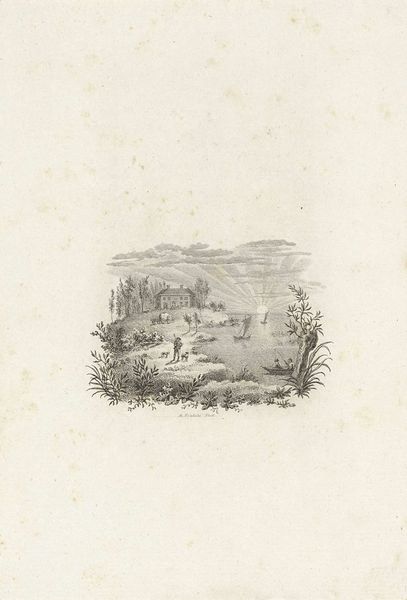
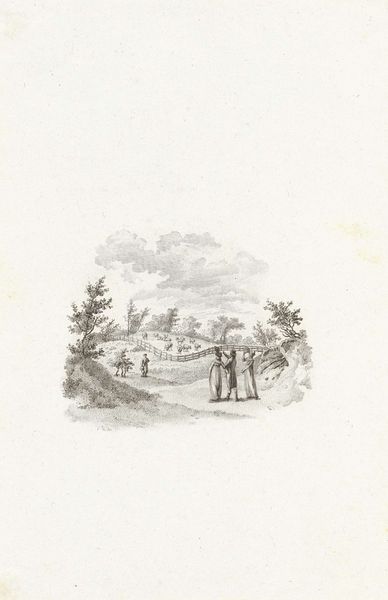
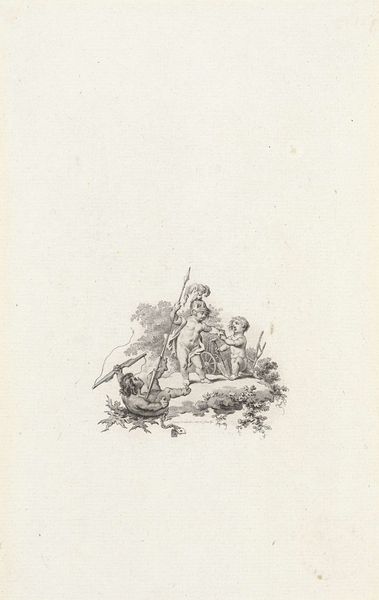
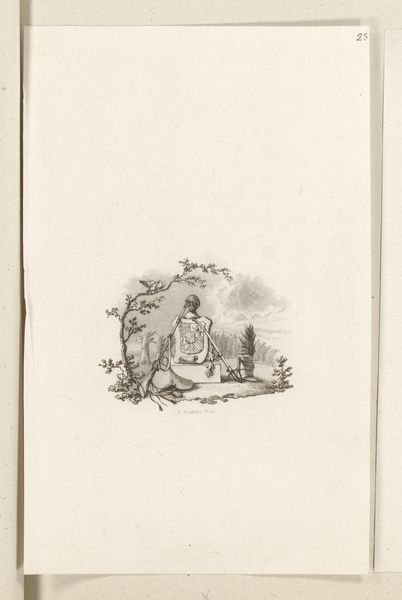
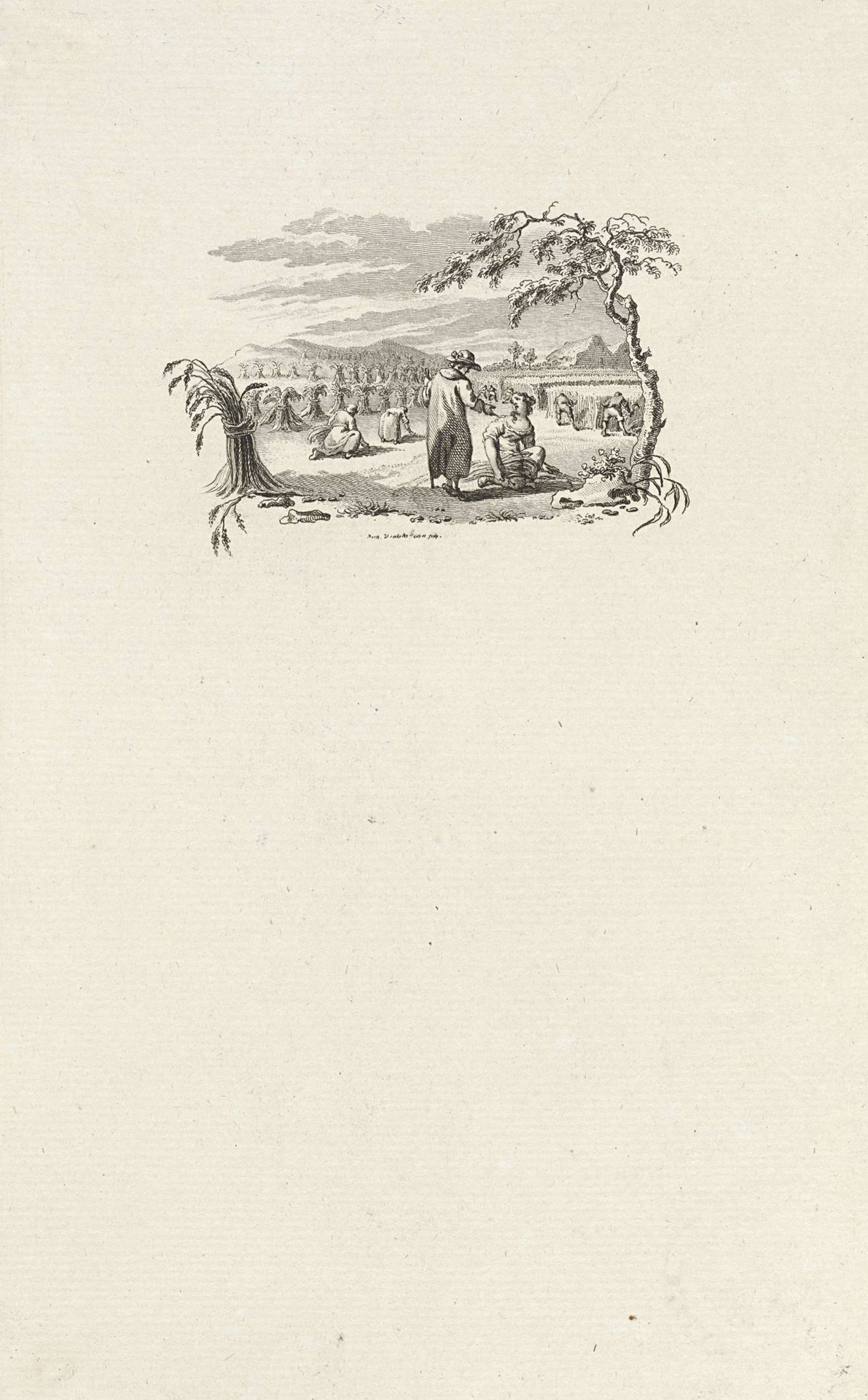
This vignette was created by Reinier Vinkeles in the late 18th century. It depicts a rural scene with peasants working, and a woman kneeling before a man in what looks like a position of supplication. The act of kneeling is a powerful symbol across cultures. Historically, kneeling has signified submission, respect, or reverence, particularly in religious contexts, like a serf before a lord. Think of medieval depictions of knights kneeling before their king, or figures in Renaissance paintings kneeling before the Virgin Mary. This posture is not merely physical; it embodies a psychological dynamic, a conscious acknowledgment of power. In modern times, the symbolism of kneeling has evolved. Consider the act of kneeling in protest, a gesture of defiance and resistance. It is a potent example of how a symbol can be reinterpreted and imbued with new meaning, reflecting the ever-changing social and political landscape. The collective memory associated with this gesture evokes intense emotional states tied to both historical and contemporary struggles, engaging viewers on a deep, subconscious level.
Vignet met een voor een man geknielde vrouw en boeren die op het land werken
1751 - 1816

Reinier Vinkeles
1741 - 1816Location
RijksmuseumArtwork details
- Dimensions
- height 237 mm, width 150 mm
- Location
- Rijksmuseum
- Copyright
- Rijks Museum: Open Domain
Comments
Share your thoughts
About this artwork
This vignette was created by Reinier Vinkeles in the late 18th century. It depicts a rural scene with peasants working, and a woman kneeling before a man in what looks like a position of supplication. The act of kneeling is a powerful symbol across cultures. Historically, kneeling has signified submission, respect, or reverence, particularly in religious contexts, like a serf before a lord. Think of medieval depictions of knights kneeling before their king, or figures in Renaissance paintings kneeling before the Virgin Mary. This posture is not merely physical; it embodies a psychological dynamic, a conscious acknowledgment of power. In modern times, the symbolism of kneeling has evolved. Consider the act of kneeling in protest, a gesture of defiance and resistance. It is a potent example of how a symbol can be reinterpreted and imbued with new meaning, reflecting the ever-changing social and political landscape. The collective memory associated with this gesture evokes intense emotional states tied to both historical and contemporary struggles, engaging viewers on a deep, subconscious level.
Comments
Share your thoughts