About this artwork
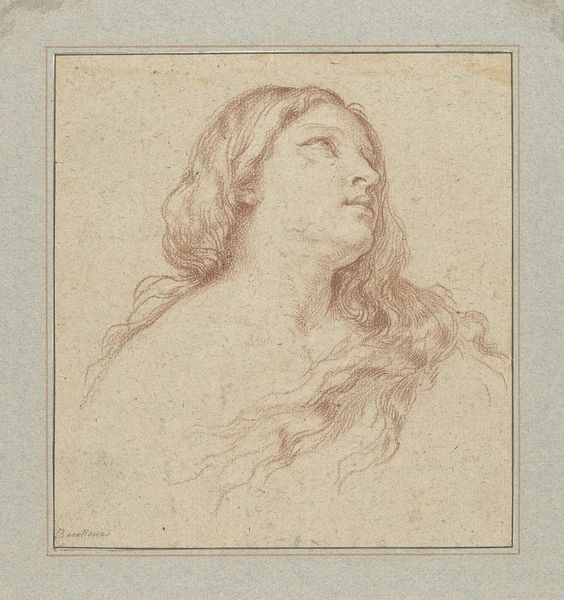
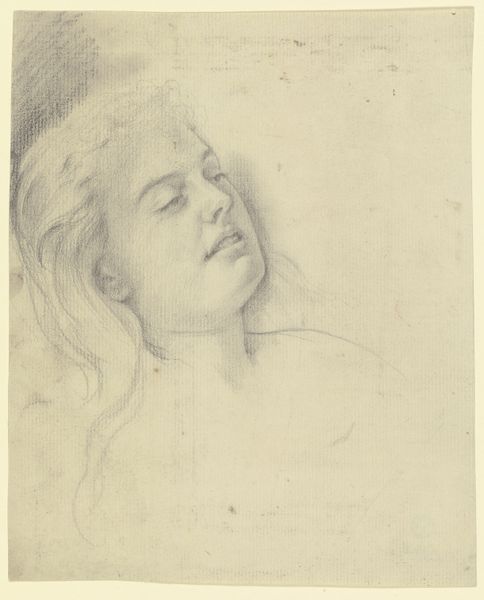
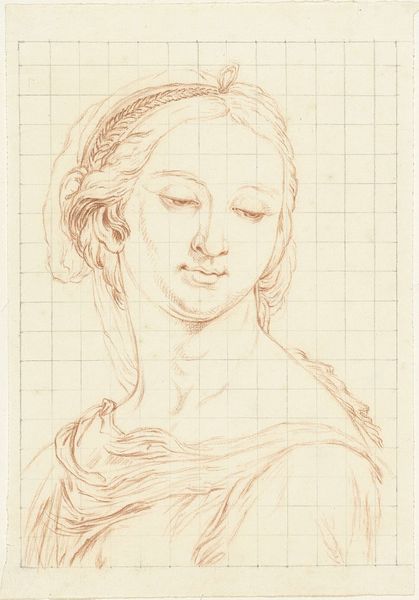
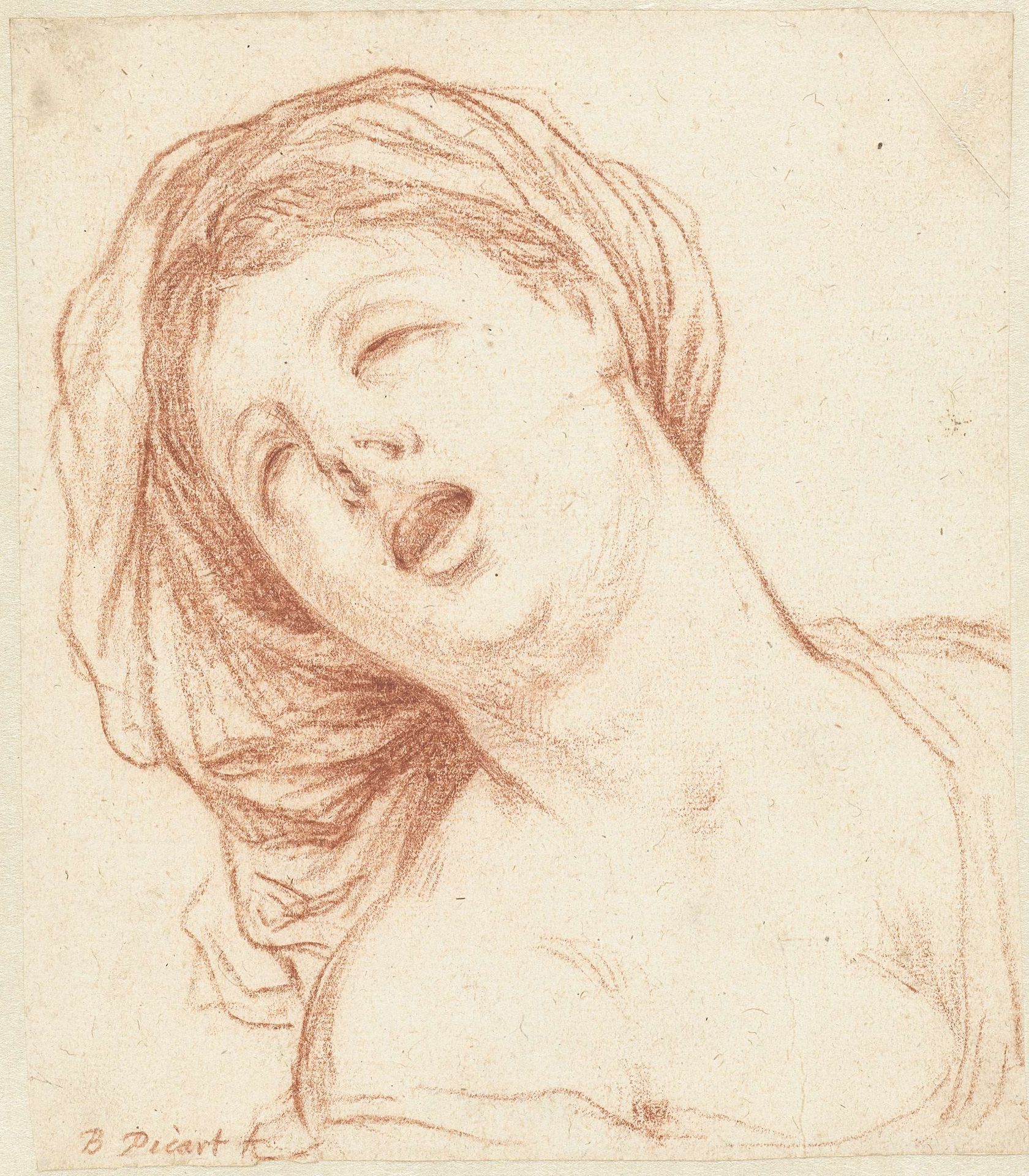
Bernard Picart rendered this red chalk drawing of a screaming woman with a headscarf in the 18th century. During this era, the Dutch Republic, where Picart worked, was experiencing significant cultural and social changes. This drawing captures a raw and intense moment of female distress. While the specific context of her scream remains ambiguous, it's impossible to ignore the historical backdrop against which this image was created. During the 18th century, women's voices were often suppressed, and their emotional expressions were frequently pathologized. The woman’s open mouth and closed eyes could represent either a moment of extreme suffering or perhaps defiance against societal constraints. It's a powerful reminder of the historical struggles faced by women. The headscarf adds another layer to the drawing, possibly indicating modesty, mourning, or even a sign of cultural identity. Picart’s drawing invites us to reflect on the complex interplay between personal emotion and broader societal norms.
Borstbeeld van een schreeuwende vrouw met hoofddoek
1683 - 1733

Bernard Picart
1673 - 1733Location
RijksmuseumArtwork details
- Medium
- drawing, dry-media, chalk
- Dimensions
- height 148 mm, width 130 mm
- Location
- Rijksmuseum
- Copyright
- Rijks Museum: Open Domain
Tags
Comments
Share your thoughts
About this artwork
Bernard Picart rendered this red chalk drawing of a screaming woman with a headscarf in the 18th century. During this era, the Dutch Republic, where Picart worked, was experiencing significant cultural and social changes. This drawing captures a raw and intense moment of female distress. While the specific context of her scream remains ambiguous, it's impossible to ignore the historical backdrop against which this image was created. During the 18th century, women's voices were often suppressed, and their emotional expressions were frequently pathologized. The woman’s open mouth and closed eyes could represent either a moment of extreme suffering or perhaps defiance against societal constraints. It's a powerful reminder of the historical struggles faced by women. The headscarf adds another layer to the drawing, possibly indicating modesty, mourning, or even a sign of cultural identity. Picart’s drawing invites us to reflect on the complex interplay between personal emotion and broader societal norms.
Comments
Share your thoughts