About this artwork
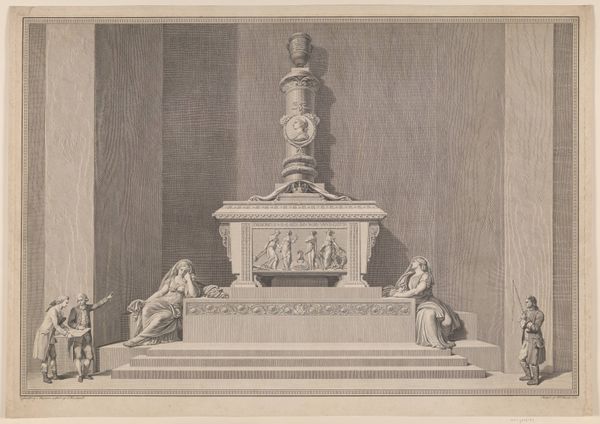
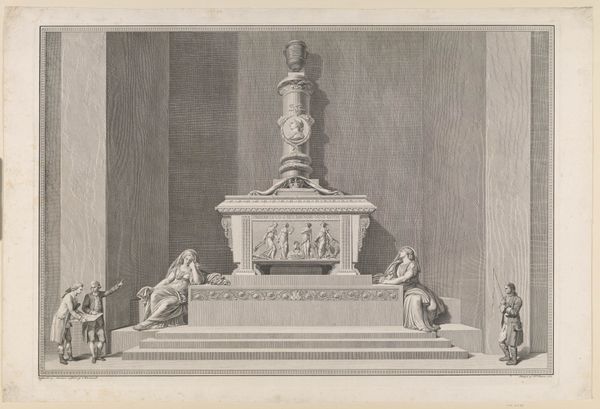
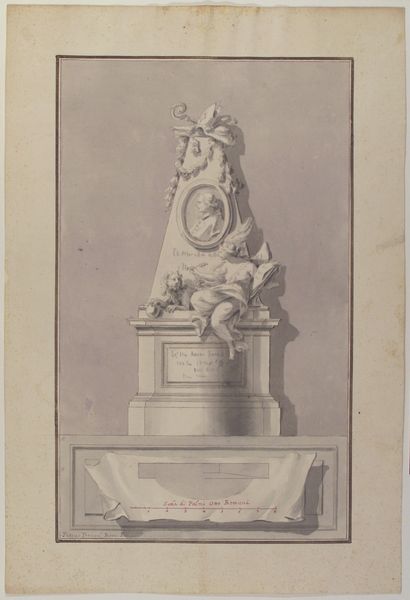
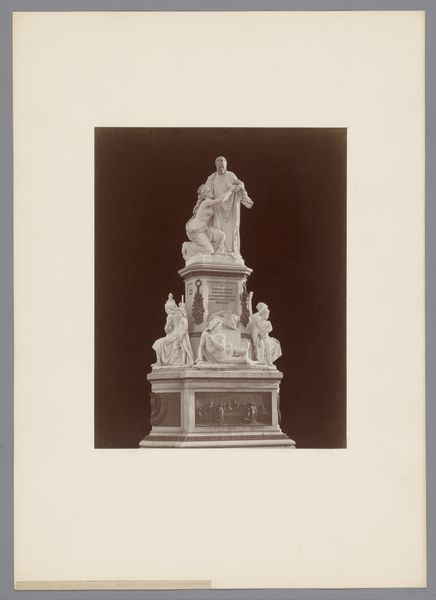
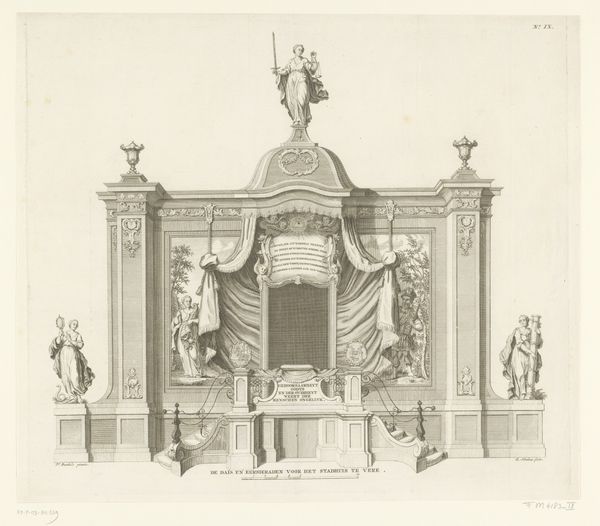
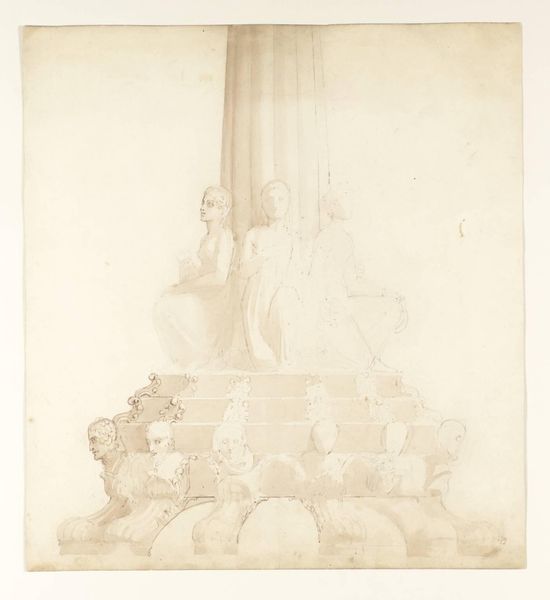
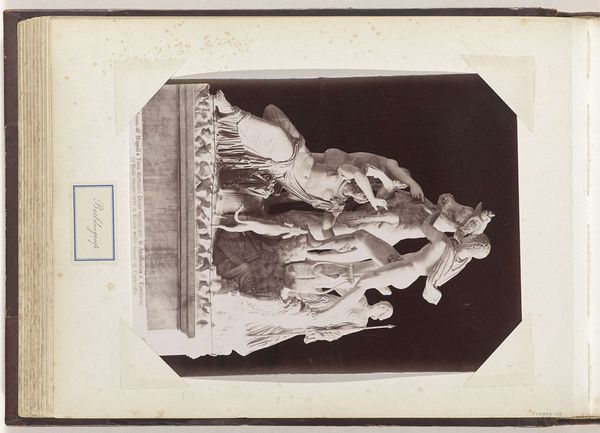
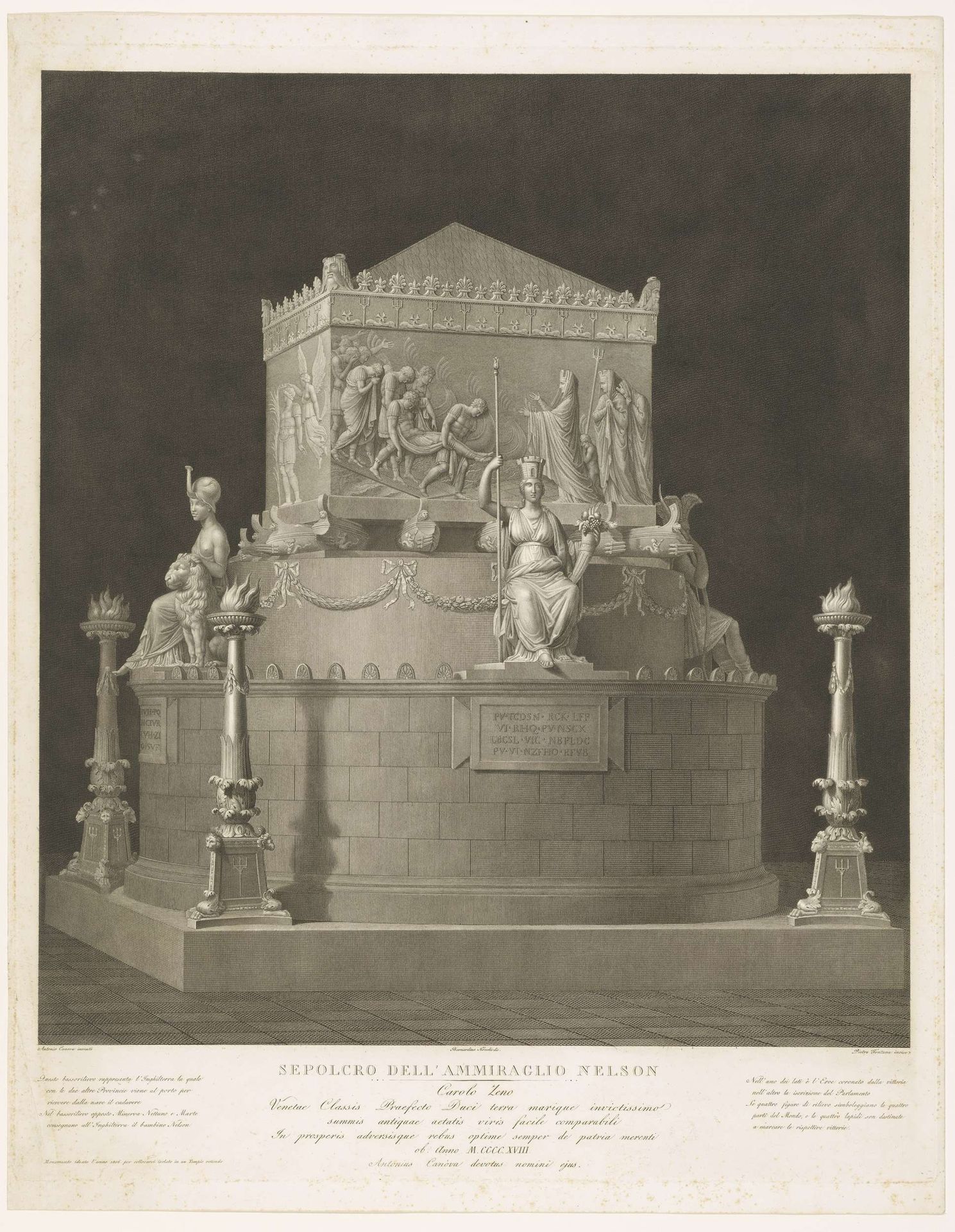
Pietro Fontana created this engraving of a proposed monument to Horatio Nelson. As an intaglio print, the artist would have used tools to cut lines into a metal plate, inking the recesses so that the image emerges under pressure. The sharp, reproducible lines of this medium are well suited to the depiction of an architectural design. Note how Fontana renders the surfaces of this imagined memorial: smooth planes for the figures, and rough, brick-like striations for the monument’s base. This contrast suggests that the artist wasn't just interested in aesthetics. It highlights the immense labor required to build such a memorial, and the social strata upon which such commissions were built. Consider too how the monument memorializes Nelson. It does so, not just through classical figures, but through the implicit contrast of rough and smooth, labor and leisure, empire and nation. Fontana pushes us to consider the social and material realities that underpin any artwork's creation.
Grafmonument voor viceadmiraal Horatio Nelson, hertog van Bronte
1805 - 1837

Pietro Fontana
1762 - 1837Location
RijksmuseumArtwork details
- Dimensions
- height 780 mm, width 630 mm
- Location
- Rijksmuseum
- Copyright
- Rijks Museum: Open Domain
Comments
Share your thoughts
About this artwork
Pietro Fontana created this engraving of a proposed monument to Horatio Nelson. As an intaglio print, the artist would have used tools to cut lines into a metal plate, inking the recesses so that the image emerges under pressure. The sharp, reproducible lines of this medium are well suited to the depiction of an architectural design. Note how Fontana renders the surfaces of this imagined memorial: smooth planes for the figures, and rough, brick-like striations for the monument’s base. This contrast suggests that the artist wasn't just interested in aesthetics. It highlights the immense labor required to build such a memorial, and the social strata upon which such commissions were built. Consider too how the monument memorializes Nelson. It does so, not just through classical figures, but through the implicit contrast of rough and smooth, labor and leisure, empire and nation. Fontana pushes us to consider the social and material realities that underpin any artwork's creation.
Comments
Share your thoughts