About this artwork
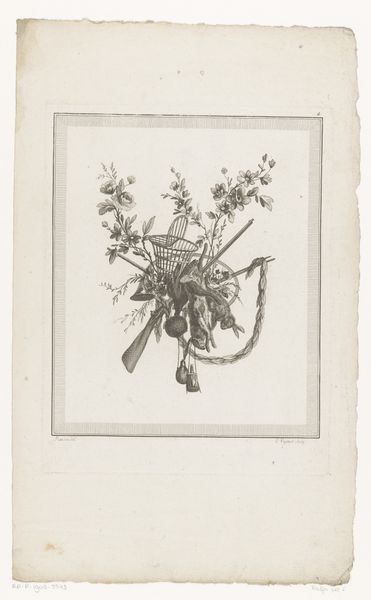
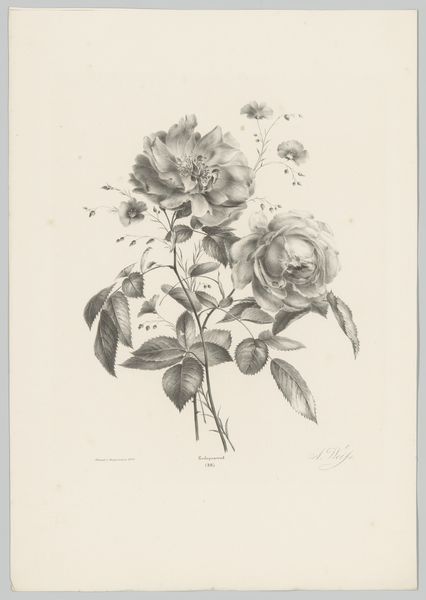
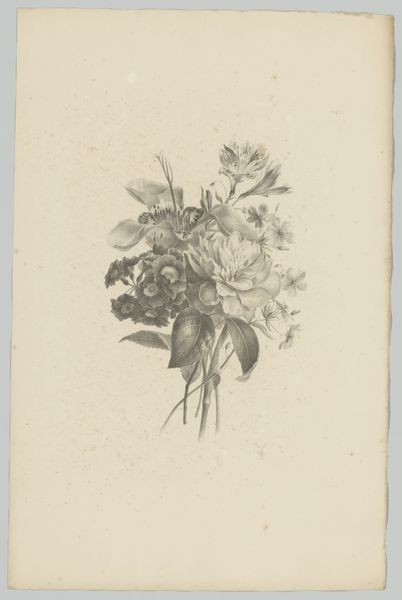
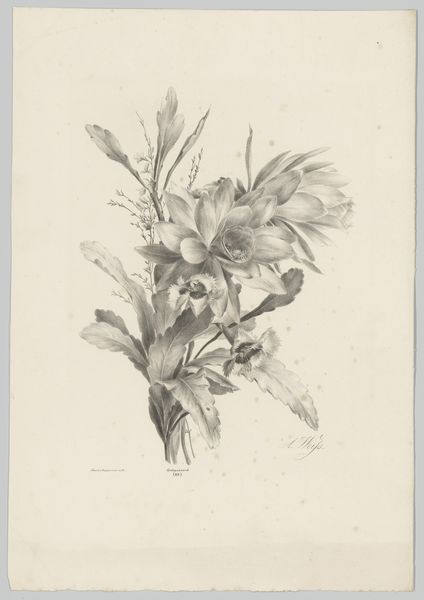
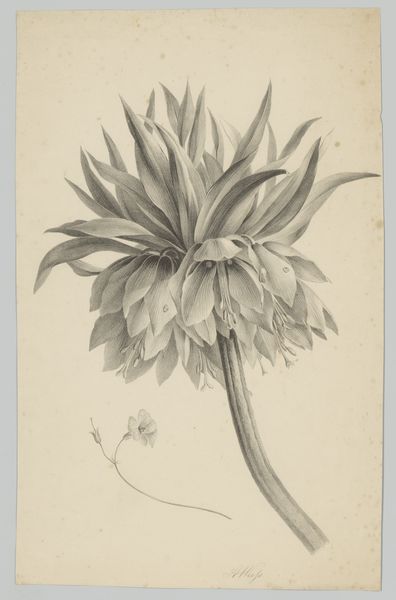
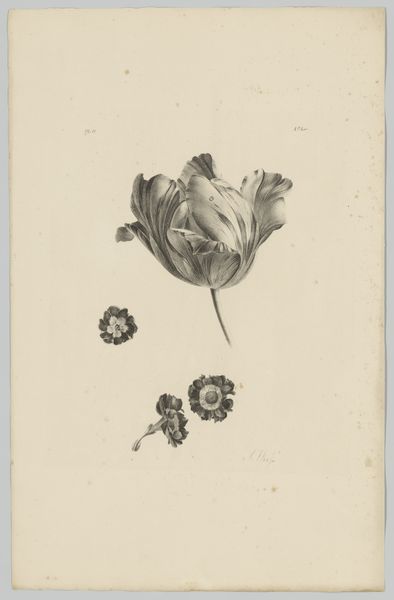
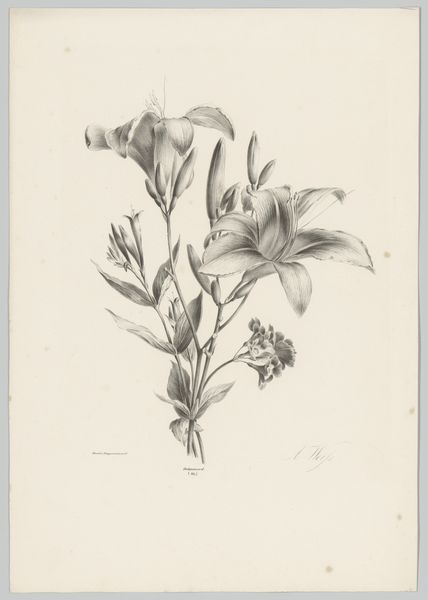
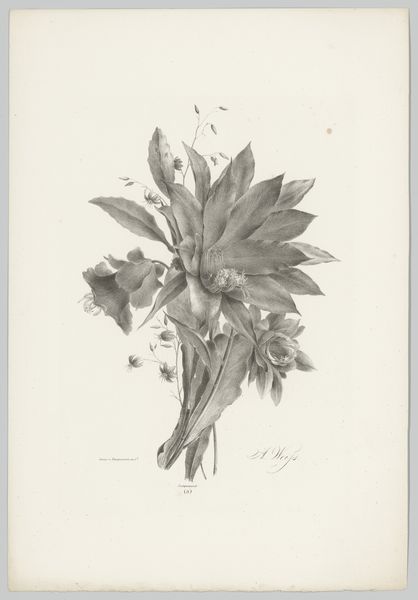
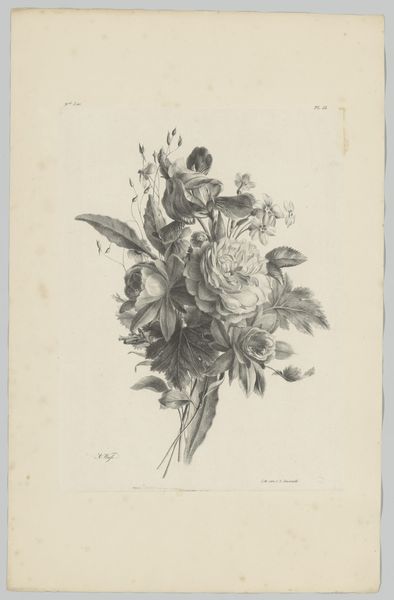
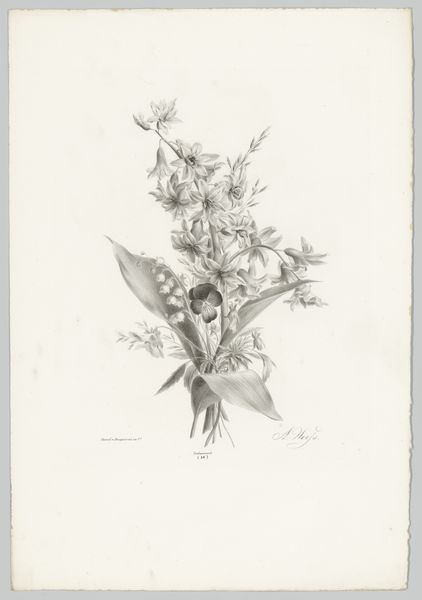
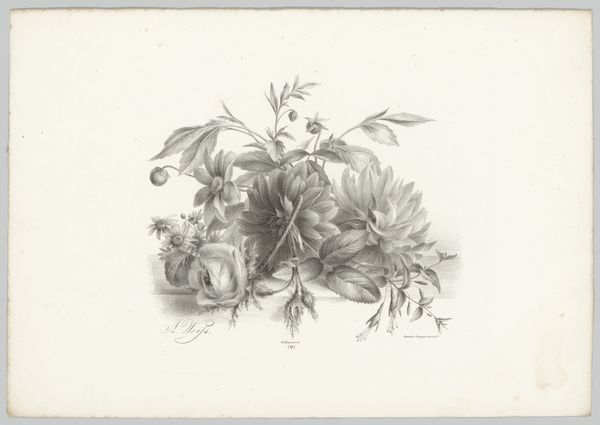
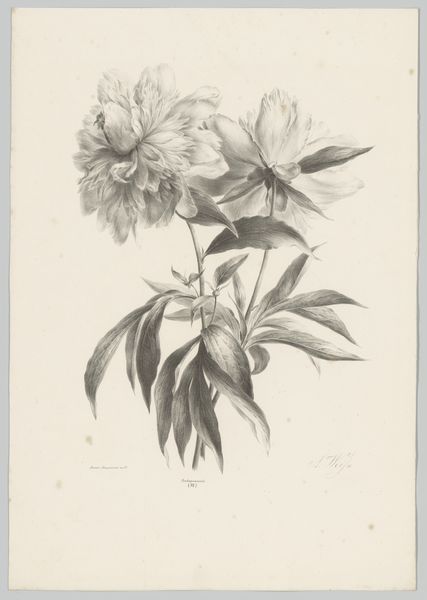
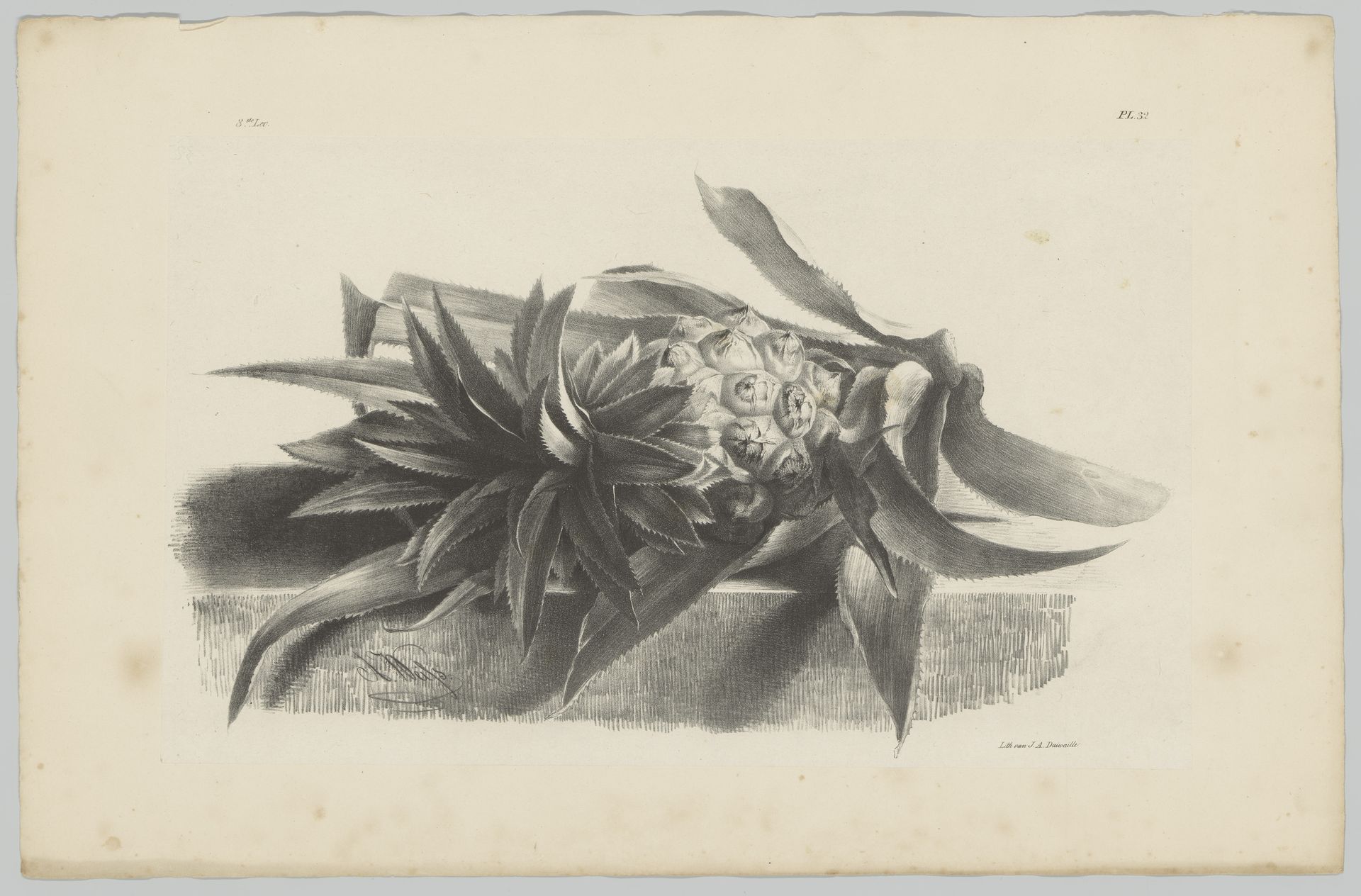
Anton Weiss made this print of a pineapple using lithography, a process that allowed for detailed reproduction. Pineapples had immense cultural significance in the 19th century. Considered rare and exotic, pineapples were imported to Europe and North America and were used as symbols of wealth, hospitality and luxury. Here, in the Netherlands, a global trading nation, Weiss pictures it with scientific precision, which would have appealed to the wealthy merchant classes. The image would have evoked the exotic allure of distant lands and the success of Dutch trading networks. Prints like this one served as visual commodities, circulating images of status and global reach. When we analyze it, the historian might consider trade records, botanical illustrations, and social etiquette manuals to understand the full scope of the pineapple's cultural meanings. Art is more than aesthetic pleasure; it reflects the social values and economic realities of its time.

Artwork details
- Medium
- drawing, pencil
- Dimensions
- height 312 mm, width 482 mm
- Location
- Rijksmuseum
- Copyright
- Rijks Museum: Open Domain
Tags
Comments
Share your thoughts
About this artwork
Anton Weiss made this print of a pineapple using lithography, a process that allowed for detailed reproduction. Pineapples had immense cultural significance in the 19th century. Considered rare and exotic, pineapples were imported to Europe and North America and were used as symbols of wealth, hospitality and luxury. Here, in the Netherlands, a global trading nation, Weiss pictures it with scientific precision, which would have appealed to the wealthy merchant classes. The image would have evoked the exotic allure of distant lands and the success of Dutch trading networks. Prints like this one served as visual commodities, circulating images of status and global reach. When we analyze it, the historian might consider trade records, botanical illustrations, and social etiquette manuals to understand the full scope of the pineapple's cultural meanings. Art is more than aesthetic pleasure; it reflects the social values and economic realities of its time.
Comments
Share your thoughts