1878
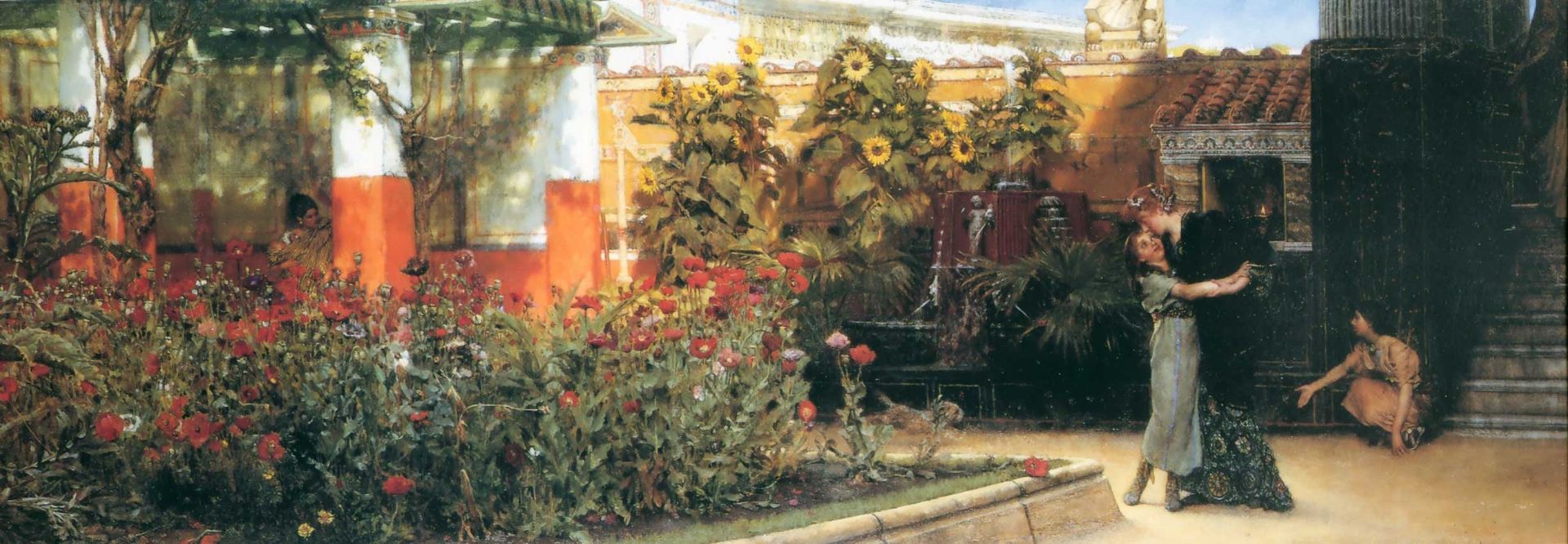
A Hearty Welcome

Lawrence Alma-Tadema
1836 - 1912Location
Ashmolean Museum, Oxford, UKListen to curator's interpretation
Curatorial notes
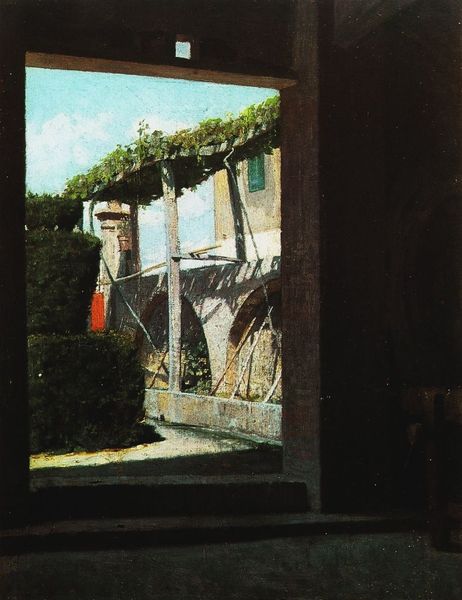
Lawrence Alma-Tadema painted "A Hearty Welcome" in the late 19th century, a period marked by rapid industrialization and significant social changes. As the Victorian era waned, Alma-Tadema, a Dutch-born artist working in England, became known for his lavish depictions of Roman life. In this painting, we see a joyful embrace between two figures set against the backdrop of an ancient Roman garden. The lush greenery and the architectural details evoke a sense of timeless beauty. But let's consider the politics of representation. Alma-Tadema, a white male artist, is interpreting and presenting a vision of the past. The scene suggests a narrative of domestic bliss and welcomes, but one might ask: Whose stories are being told, and whose are being left out? What might it have been like to be a woman in Roman society, or to be part of the working class? The artist invites us into a romanticized world, it remains important to question the narratives that are promoted while others are suppressed. By exploring the social dynamics of the artwork, we can engage in a critical dialogue that encourages reflection on identity, power, and the diverse stories that shape our understanding of history.