About this artwork
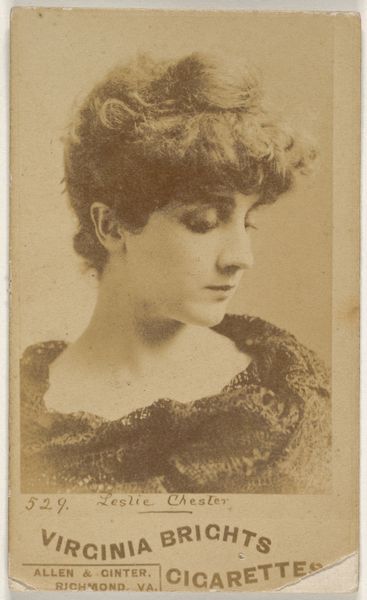
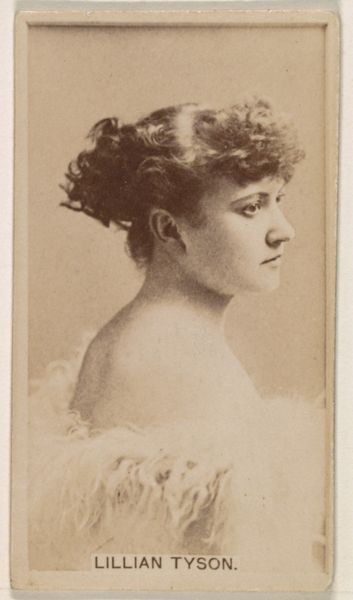
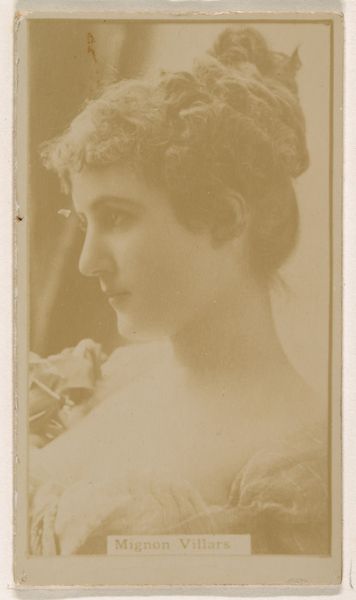
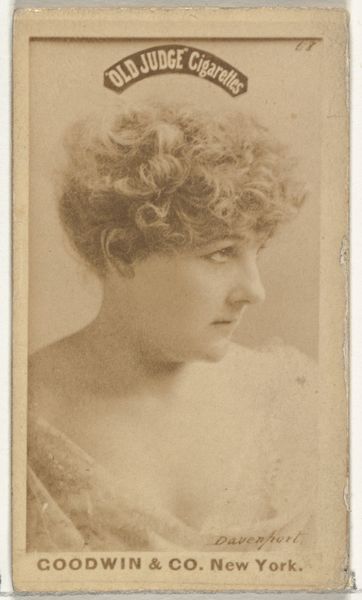
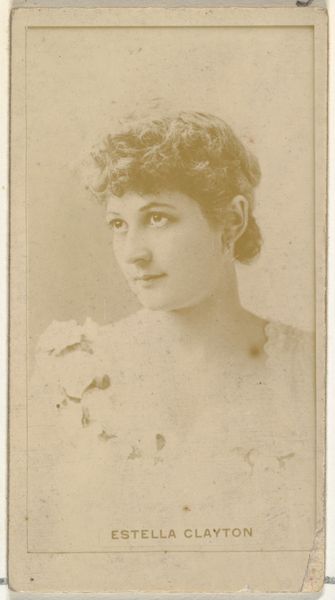
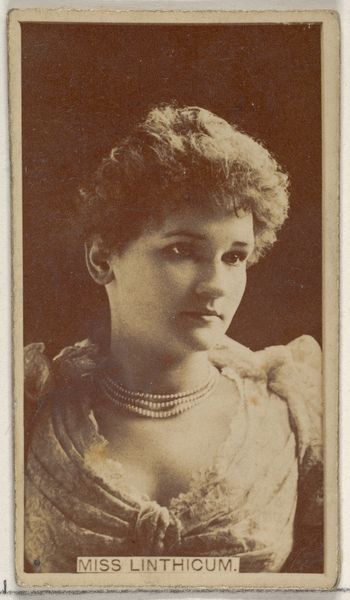
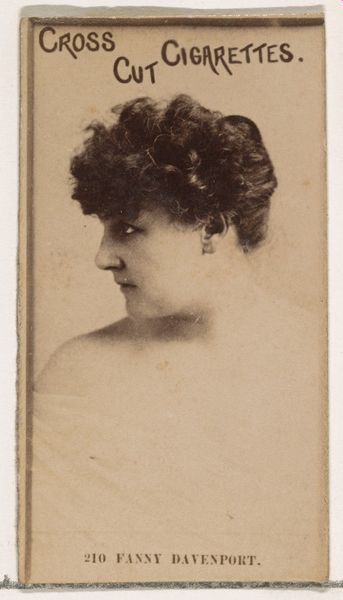
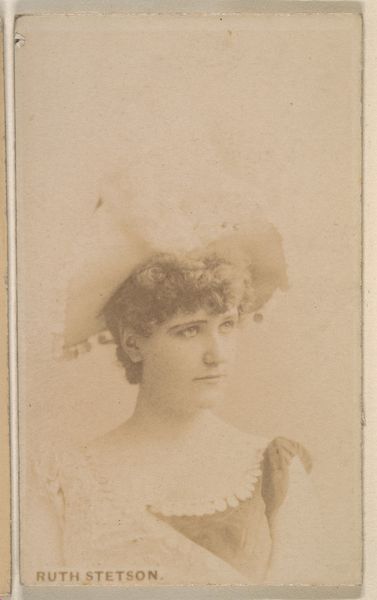
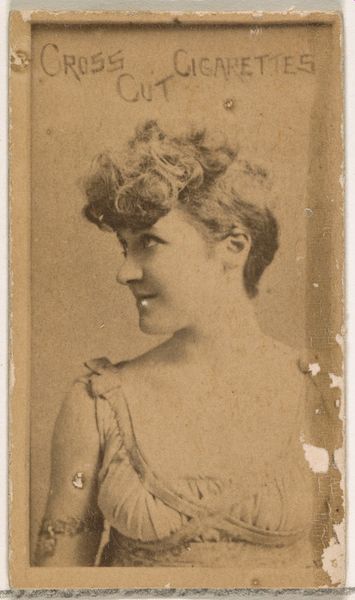
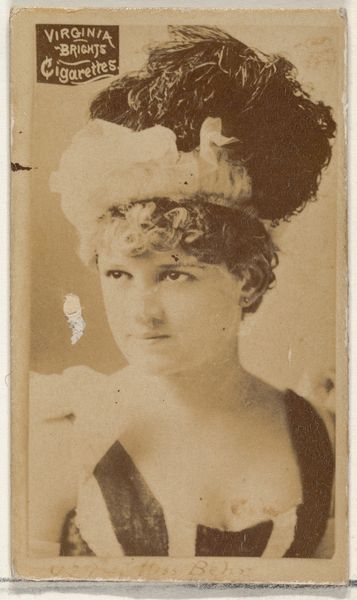
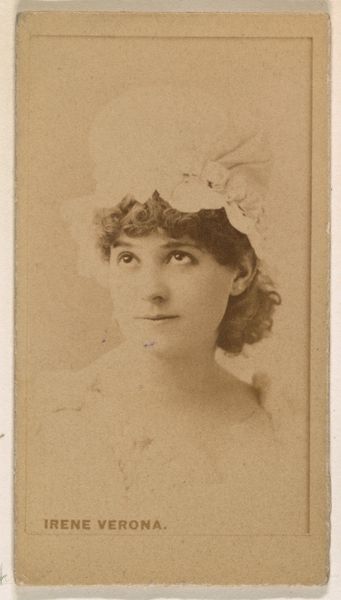
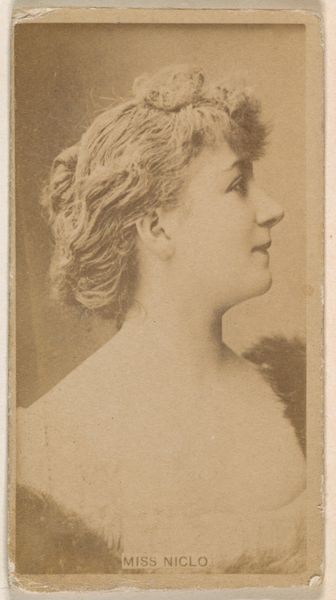
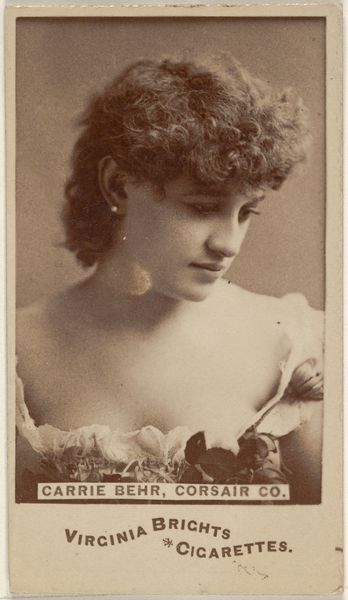
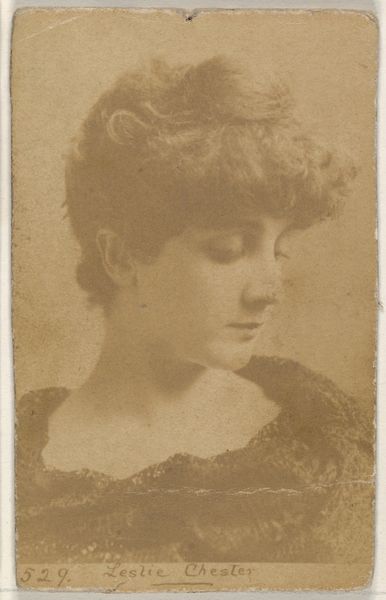
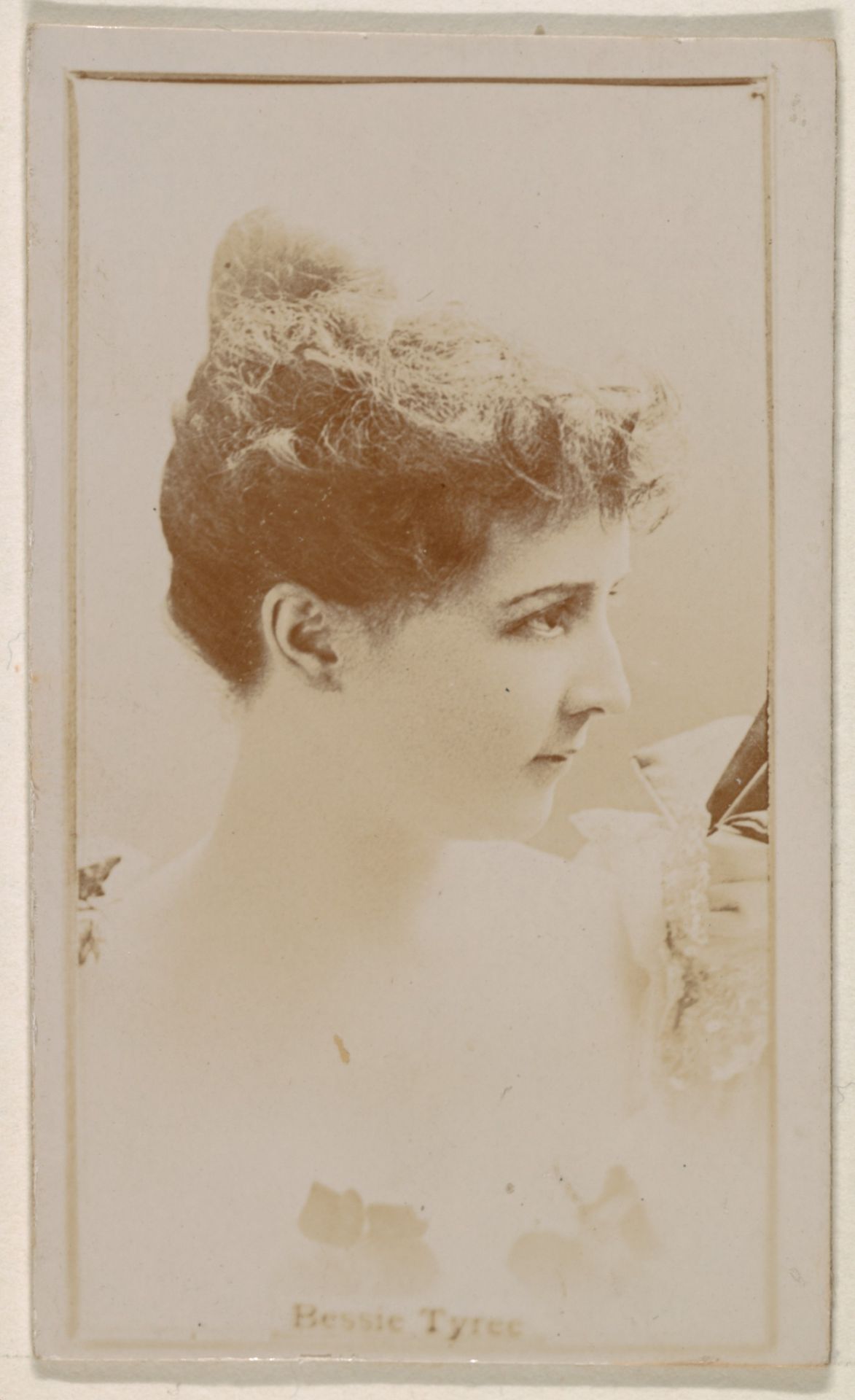
This photograph of Bessie Tyree comes from a series of actresses produced by the Kinney Brothers Tobacco Company as promotional material for Sweet Caporal Cigarettes. These cards offer a glimpse into the late 19th-century culture of celebrity and consumerism in the United States. During this period, the rise of mass media and advertising created new opportunities for companies to market their products. The association of actresses, who were often seen as glamorous and desirable figures, with particular brands was a common marketing tactic. The card itself, small and easily distributed, became a vehicle for both promotion and collection. These images were a means of constructing and disseminating particular ideals of beauty and femininity. By examining the archives of advertising history, as well as popular theatrical publications, we can understand the role images like this played in shaping the social landscape of the time. Art doesn't exist in a vacuum, its meaning is always contingent on its social and institutional context.
Bessie Tyree, from the Actresses series (N245) issued by Kinney Brothers to promote Sweet Caporal Cigarettes
1890

Kinney Brothers Tobacco Company
1869 - 2011
The Metropolitan Museum of Art
Metropolitan Museum of Art, New York, NYArtwork details
- Medium
- drawing, print, photography, albumen-print
- Dimensions
- Sheet: 2 1/2 × 1 7/16 in. (6.4 × 3.7 cm)
- Location
- Metropolitan Museum of Art, New York, NY
- Copyright
- Public Domain
Tags
Comments
Share your thoughts
About this artwork
This photograph of Bessie Tyree comes from a series of actresses produced by the Kinney Brothers Tobacco Company as promotional material for Sweet Caporal Cigarettes. These cards offer a glimpse into the late 19th-century culture of celebrity and consumerism in the United States. During this period, the rise of mass media and advertising created new opportunities for companies to market their products. The association of actresses, who were often seen as glamorous and desirable figures, with particular brands was a common marketing tactic. The card itself, small and easily distributed, became a vehicle for both promotion and collection. These images were a means of constructing and disseminating particular ideals of beauty and femininity. By examining the archives of advertising history, as well as popular theatrical publications, we can understand the role images like this played in shaping the social landscape of the time. Art doesn't exist in a vacuum, its meaning is always contingent on its social and institutional context.
Comments
Share your thoughts