c. 18th century
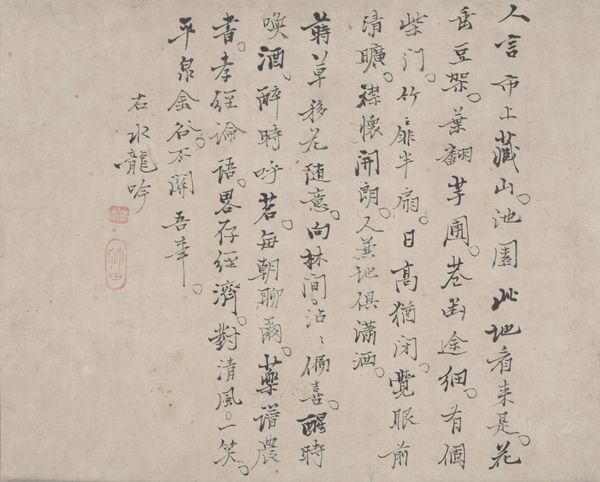
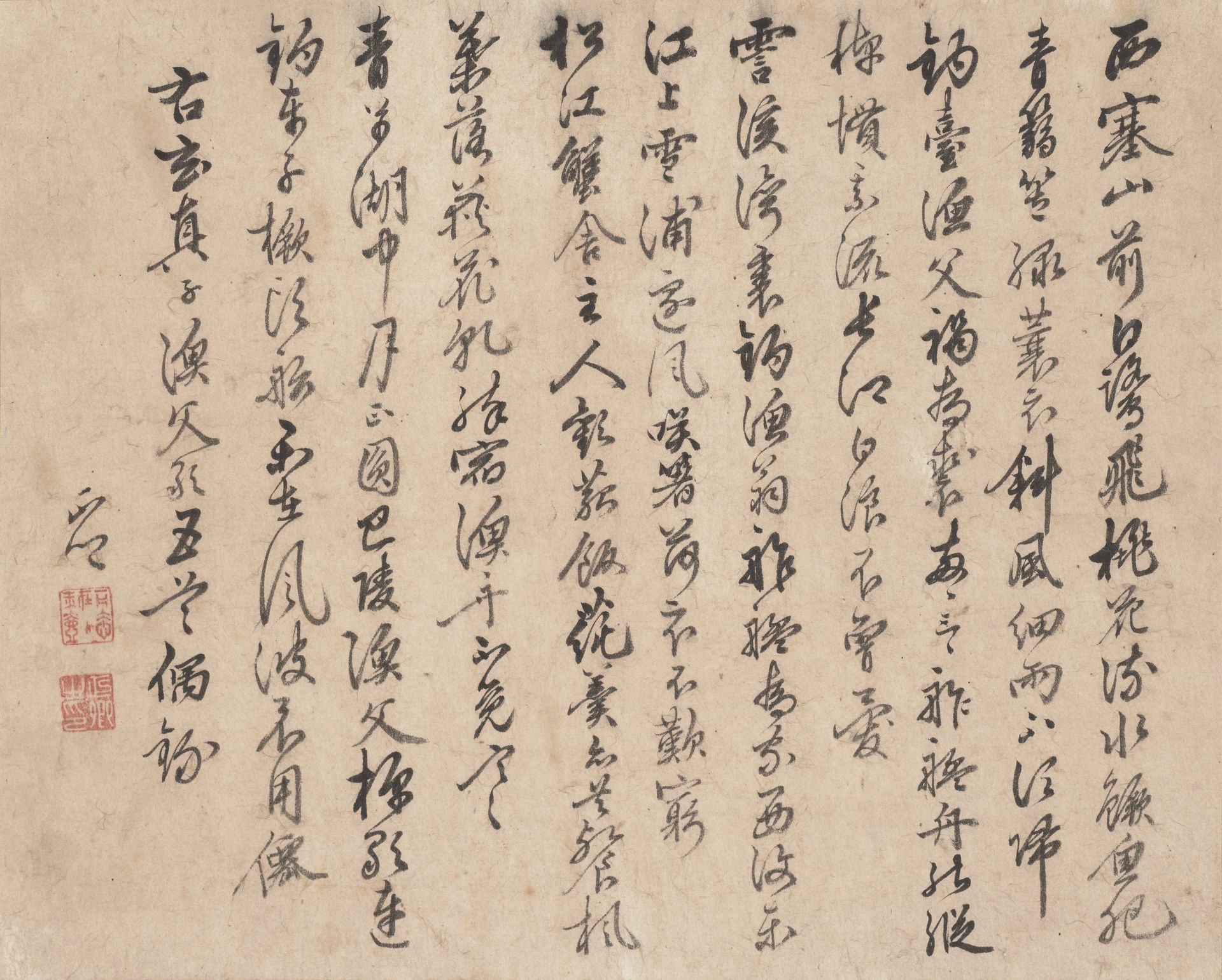
Poems on Fishermen


Listen to curator's interpretation
Curatorial notes
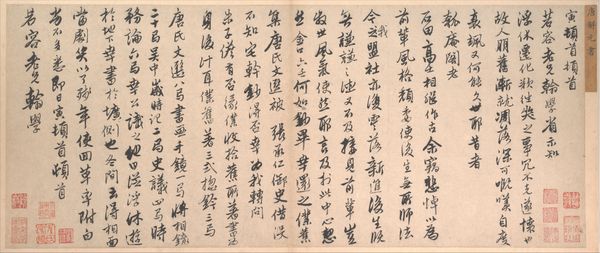
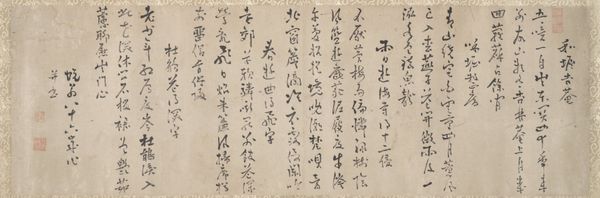
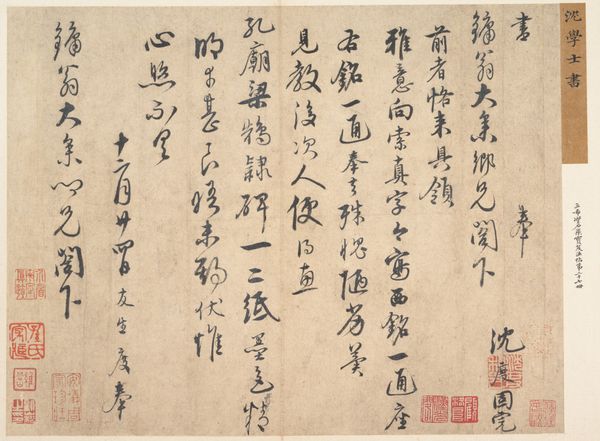
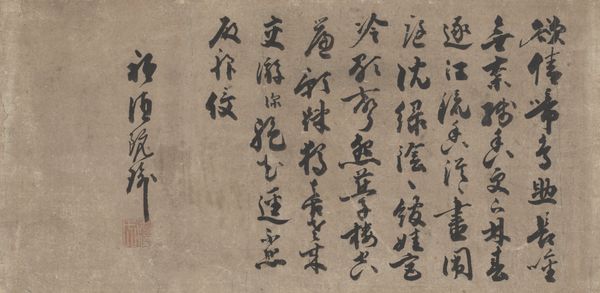
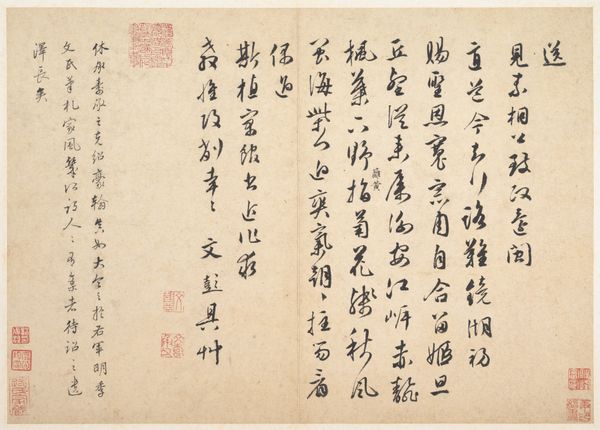
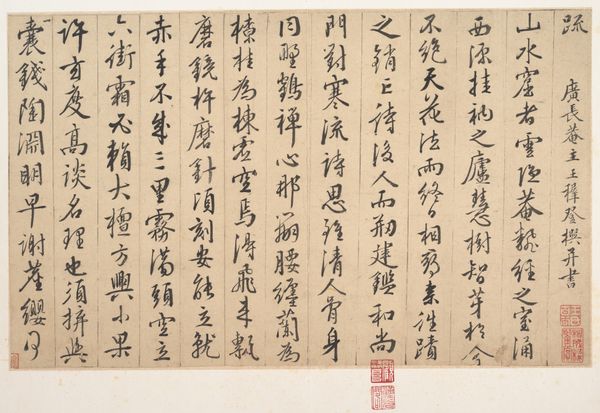
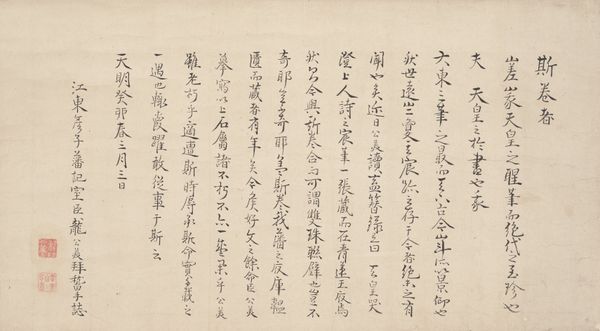
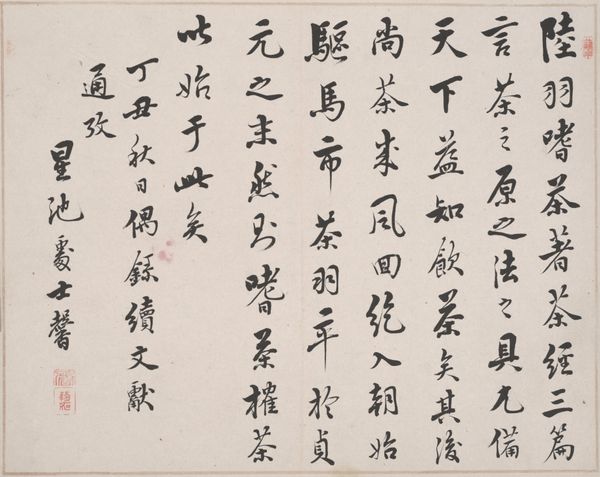
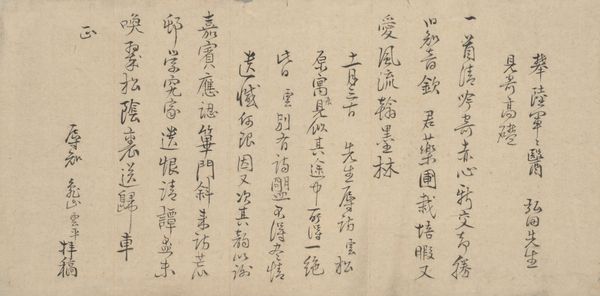
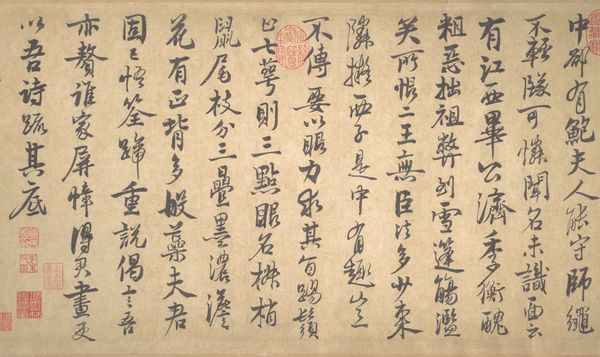
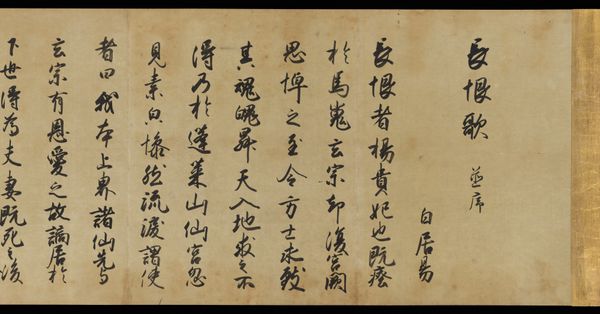
Gion Nankai created this artwork, Poems on Fishermen, in Japan during the Edo period. This was a time of relative peace and isolation, overseen by the Tokugawa Shogunate. Neo-Confucianism was promoted as the dominant political philosophy. Nankai was a Confucian scholar, artist, and government advisor. His poems reflect his social position, while also aligning with the broader cultural interest in the lives of ordinary people. The work expresses a sense of harmony between nature and humanity. The flowing calligraphy and the choice of subject matter connects to the traditions of Chinese art and poetry. In Japan, calligraphy was not just a means of communication, but a highly respected art form. Through his choice of imagery and style, Nankai was emulating the lifestyle of the Chinese literati. To fully appreciate this work, we need to look at both Japanese and Chinese social, philosophical, and artistic history. This piece stands as a reminder that art's meaning always depends on context.