1895 - 1896
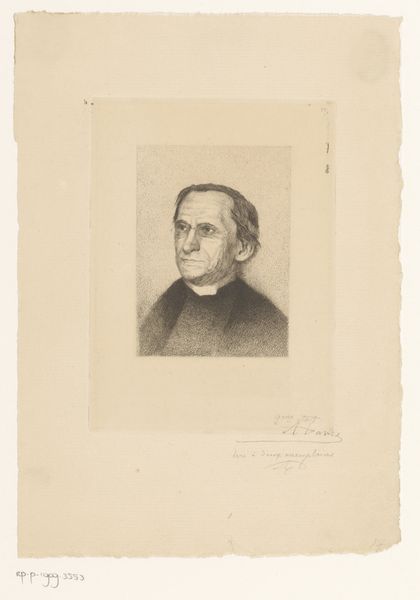
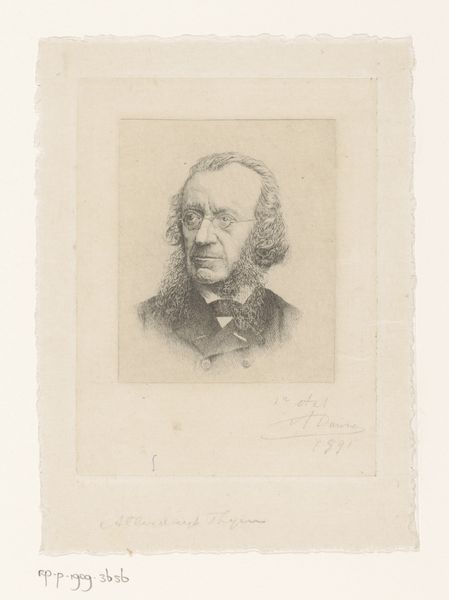
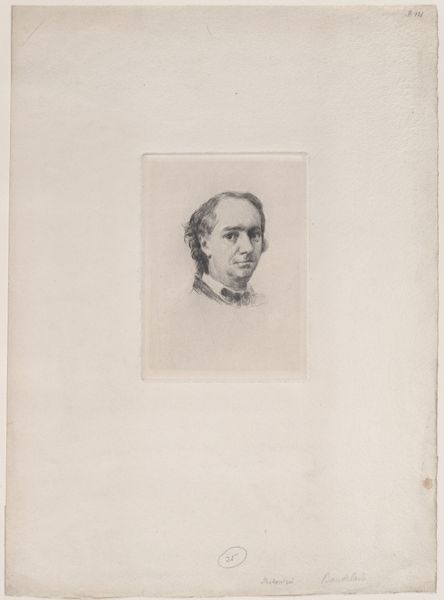
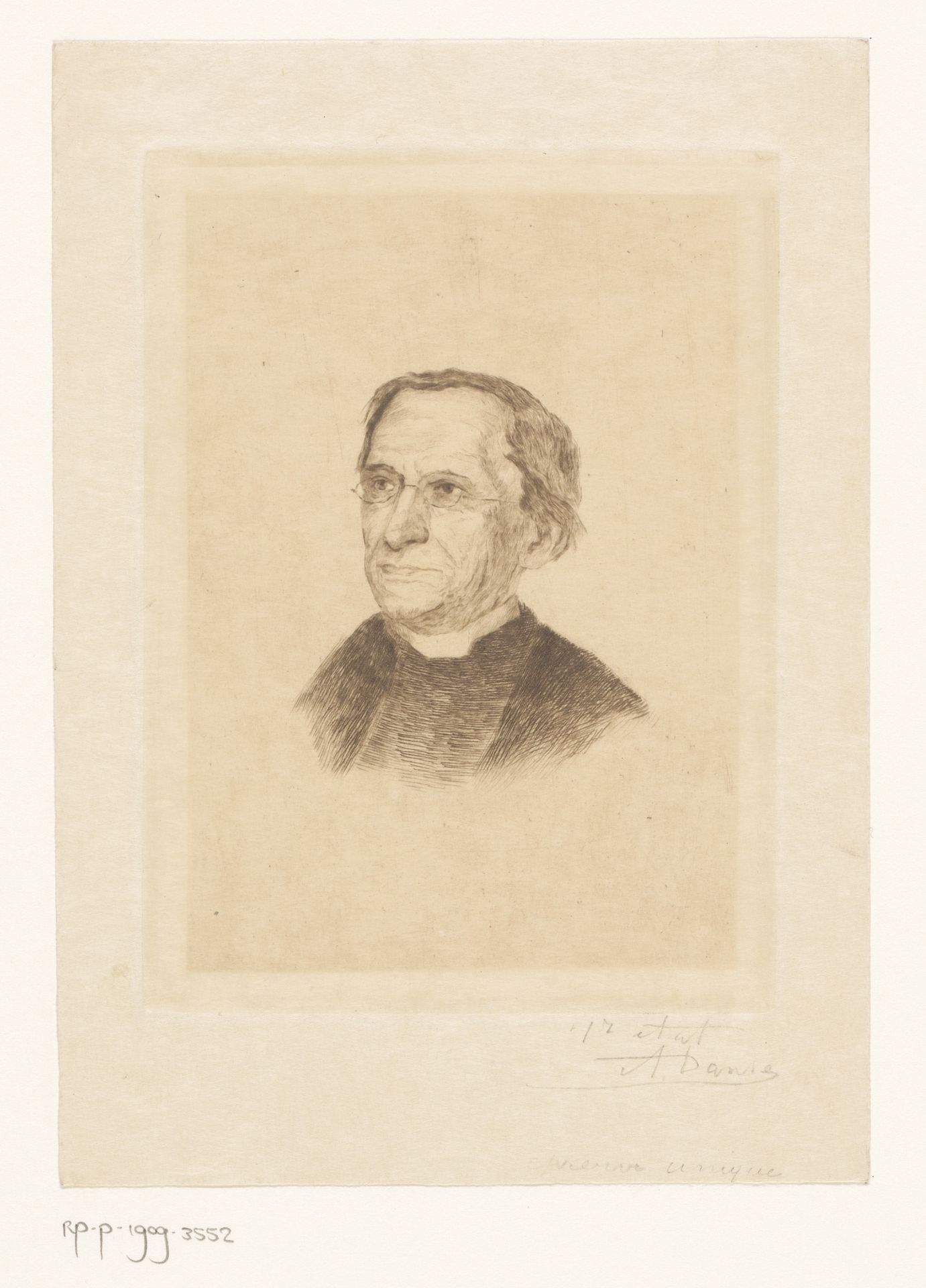
Portret van Charles de Harlez

Auguste Danse
1829 - 1929Location
RijksmuseumListen to curator's interpretation
Curatorial notes
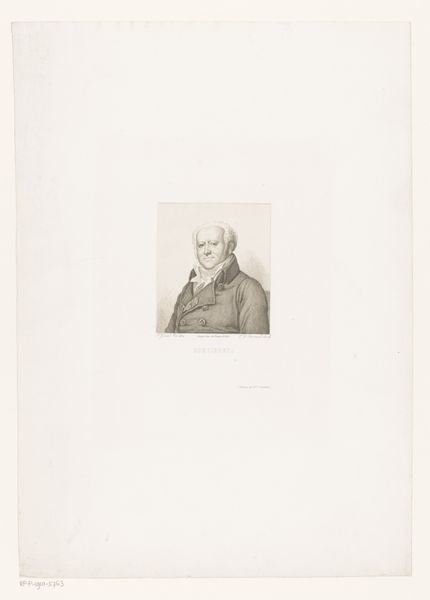
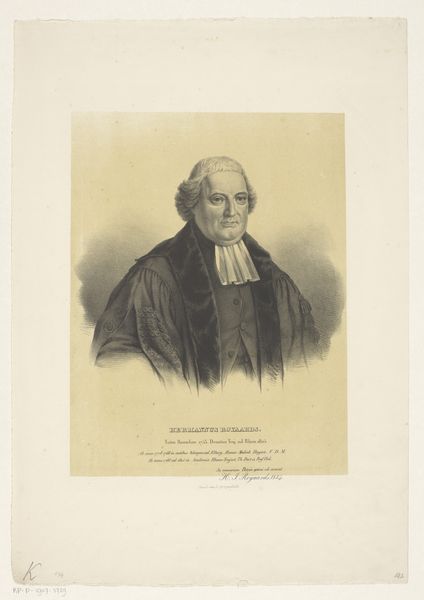
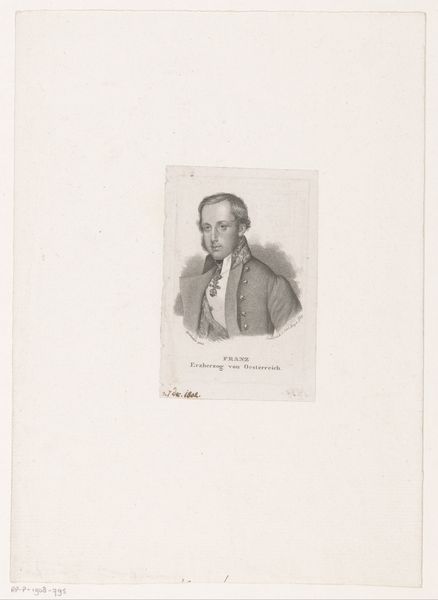
Auguste Danse created this portrait of Charles de Harlez using etching, a printmaking technique involving acid and metal. Look closely, and you'll see how the fine lines of the etching define the figure's features and clothing. The etched lines create shadows and highlights, giving depth to the image. The process begins with a metal plate coated in wax. The artist then draws through the wax, exposing the metal. When the plate is dipped in acid, the exposed lines are eaten away, creating grooves. Ink is then applied to the plate, filling the etched lines, and the surface is wiped clean. Finally, the image is transferred to paper under pressure. The magic of etching lies in the way it combines meticulous labor with chemical processes, a collaboration between the artist's hand and industrial techniques. The result is an image that captures not only a likeness but also the traces of its making, where the artist uses both craft and industry to create an aesthetic.