About this artwork
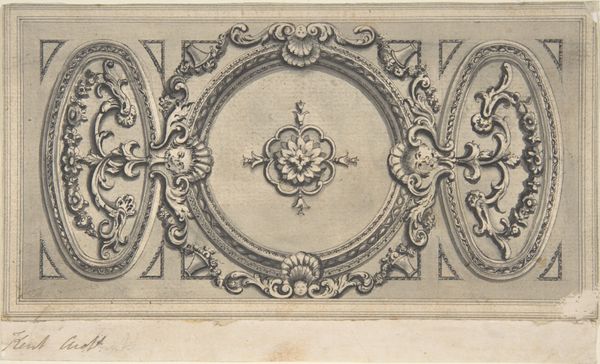
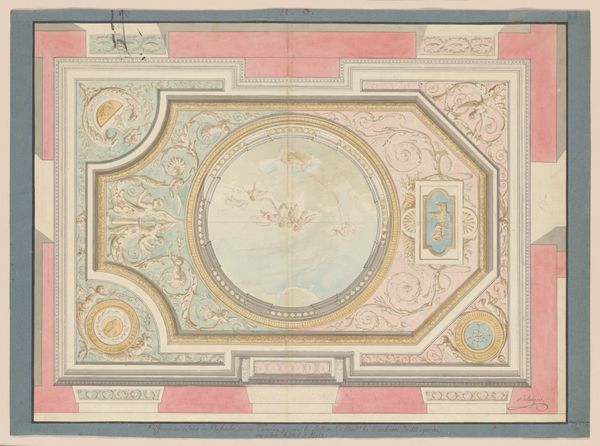
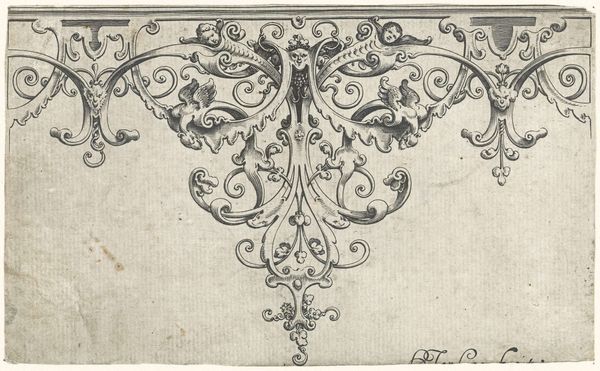
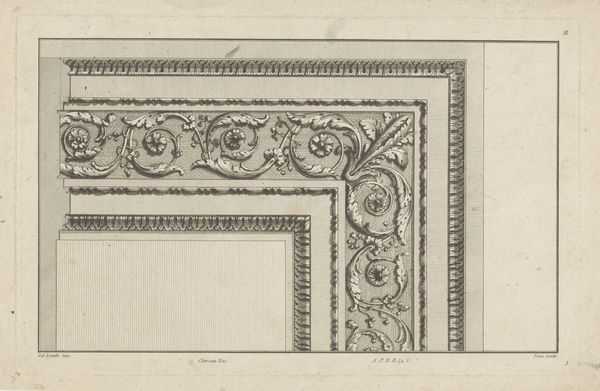
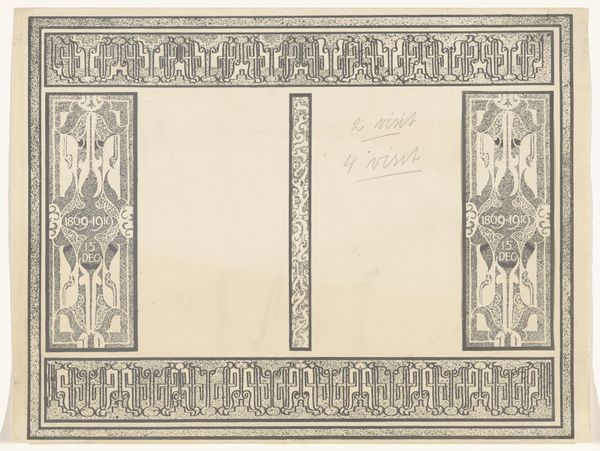
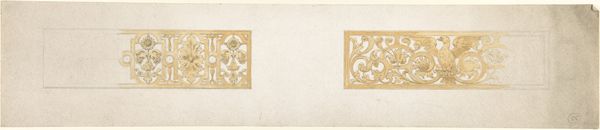
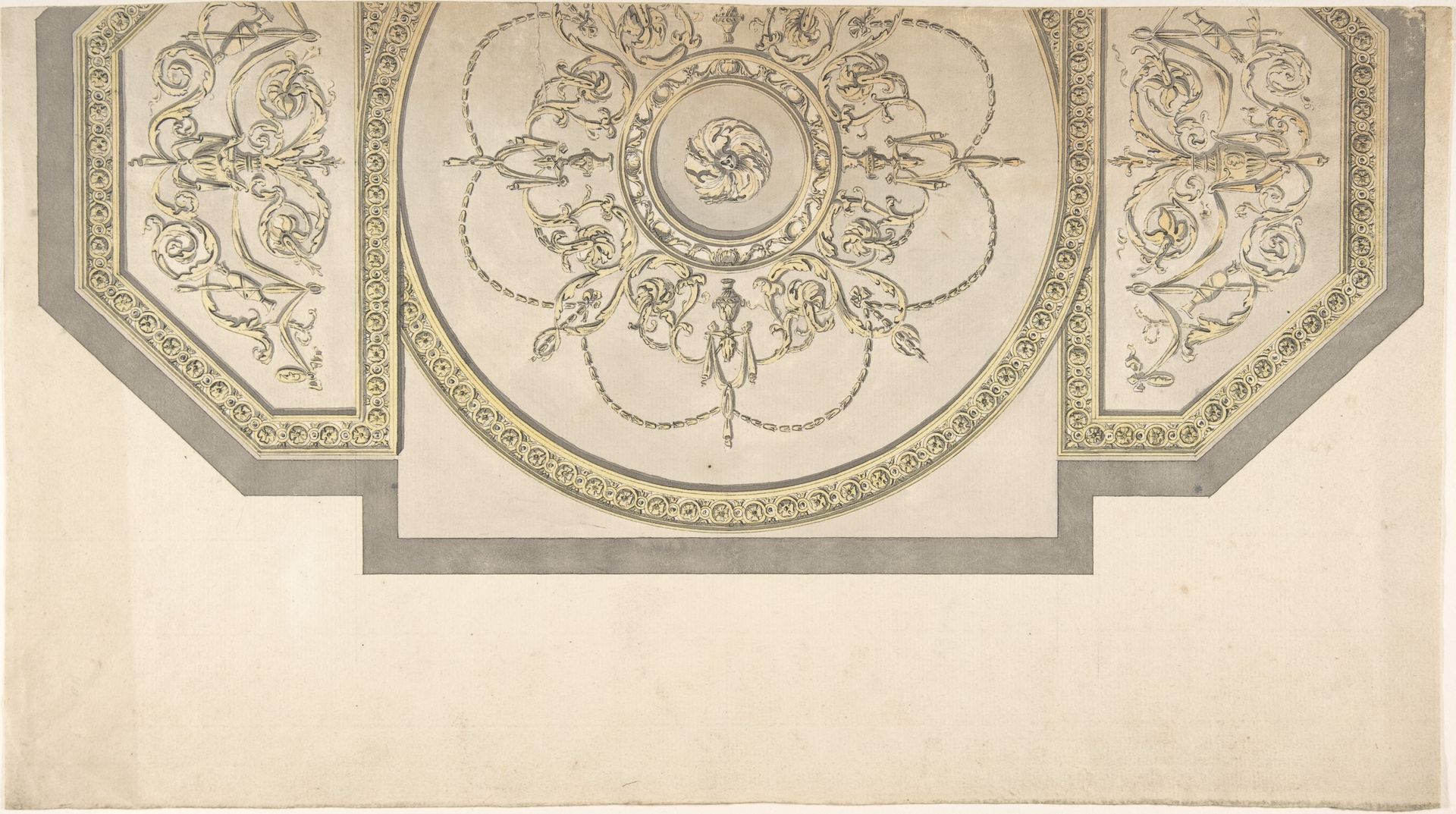
This is Sir William Chambers' "Design for the Gallery ceiling, Richmond House, Whitehall, London," created in the 18th century. Chambers, a Swedish-Scottish architect, was appointed surveyor of the king's works, solidifying his place within the British elite. Looking closely, we see a drawing of a ceiling design, full of ornamentation, central medallions, and intricate details. These classical motifs are not merely decorative; they are statements of power and cultural legitimacy during a period of vast colonial expansion. The Richmond House was home to Charles Lennox, the Duke of Richmond, whose status was inextricably linked to the exploitation of labor and resources across the British Empire. Consider the hands that didn’t get to create such designs. What would it feel like to look up at this ceiling, knowing it was made possible through the subjugation of your ancestors? Chambers’ design invites us to reflect on the emotional and ethical complexities embedded in Britain's imperial past and the legacy of cultural artifacts like this.
Design for the Gallery ceiling, Richmond House, Whitehall, London 1760

Sir William Chambers
1723 - 1796
The Metropolitan Museum of Art
Metropolitan Museum of Art, New York, NYArtwork details
- Medium
- drawing, ornament, print, paper, pen, architecture
- Dimensions
- sheet: 9 1/2 x 17 in. (24.1 x 43.2 cm)
- Location
- Metropolitan Museum of Art, New York, NY
- Copyright
- Public Domain
Tags
drawing
neoclacissism
ornament
toned paper
classical-realism
paper
geometric
classicism
pen
cityscape
decorative-art
architecture
Comments
No comments
About this artwork
This is Sir William Chambers' "Design for the Gallery ceiling, Richmond House, Whitehall, London," created in the 18th century. Chambers, a Swedish-Scottish architect, was appointed surveyor of the king's works, solidifying his place within the British elite. Looking closely, we see a drawing of a ceiling design, full of ornamentation, central medallions, and intricate details. These classical motifs are not merely decorative; they are statements of power and cultural legitimacy during a period of vast colonial expansion. The Richmond House was home to Charles Lennox, the Duke of Richmond, whose status was inextricably linked to the exploitation of labor and resources across the British Empire. Consider the hands that didn’t get to create such designs. What would it feel like to look up at this ceiling, knowing it was made possible through the subjugation of your ancestors? Chambers’ design invites us to reflect on the emotional and ethical complexities embedded in Britain's imperial past and the legacy of cultural artifacts like this.
Comments
No comments