drawing, pencil, graphite
#
portrait
#
pencil drawn
#
drawing
#
neoclacissism
#
light pencil work
#
pencil sketch
#
old engraving style
#
pencil drawing
#
romanticism
#
pencil
#
graphite
#
pencil work
Dimensions: height 207 mm, width 131 mm
Copyright: Rijks Museum: Open Domain
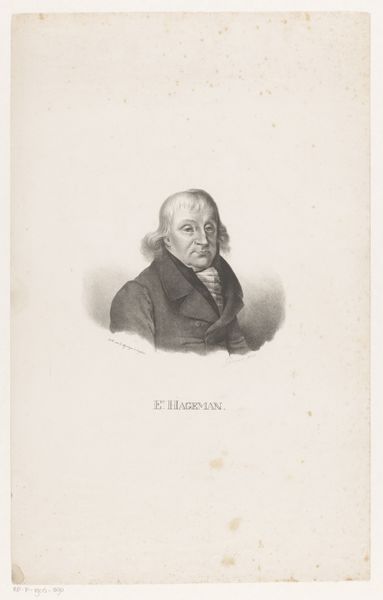
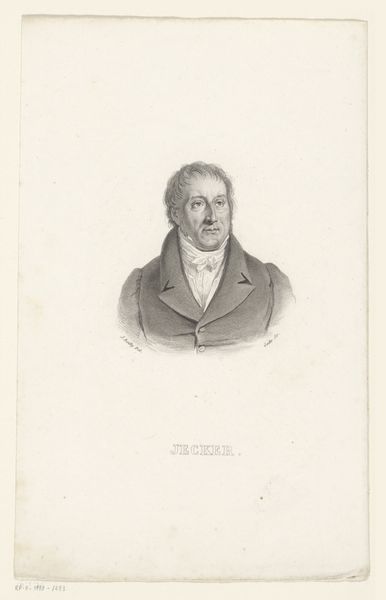
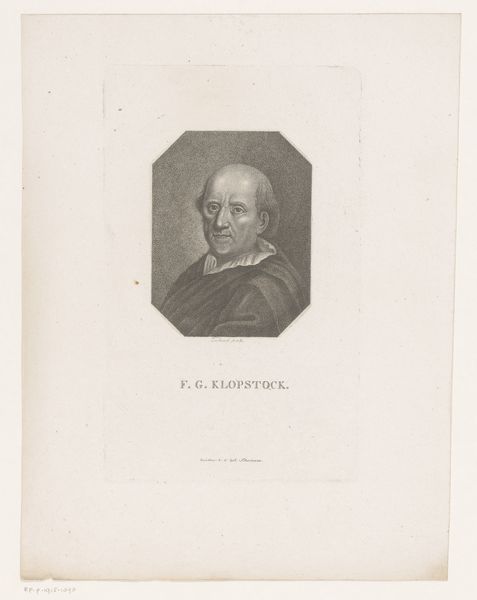
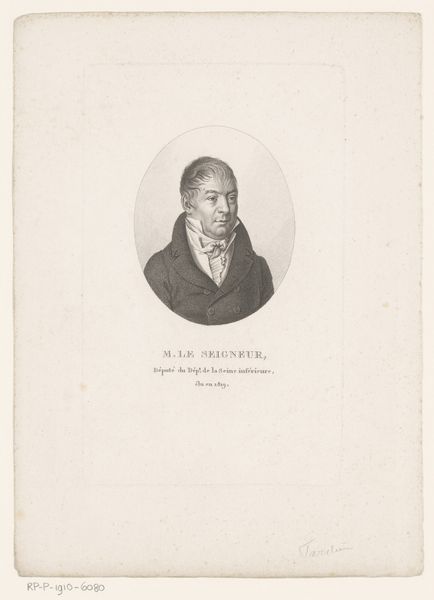
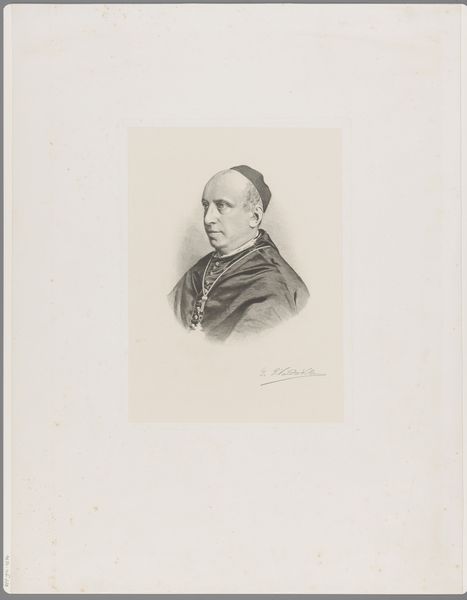
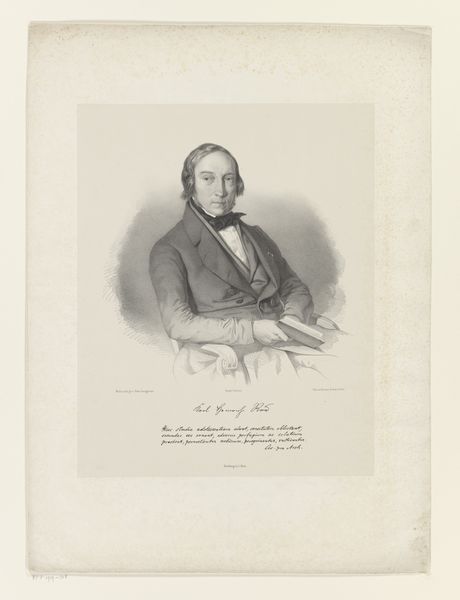
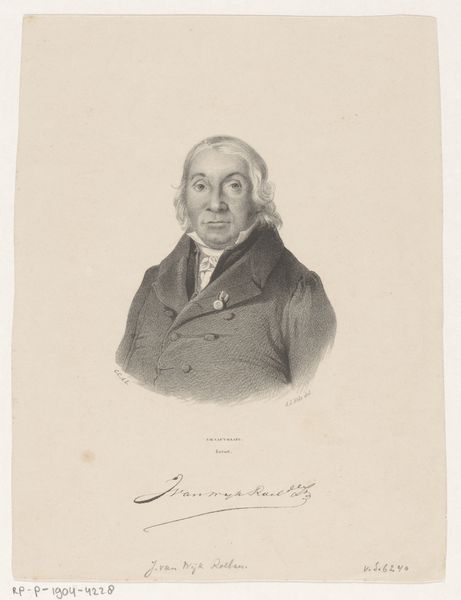
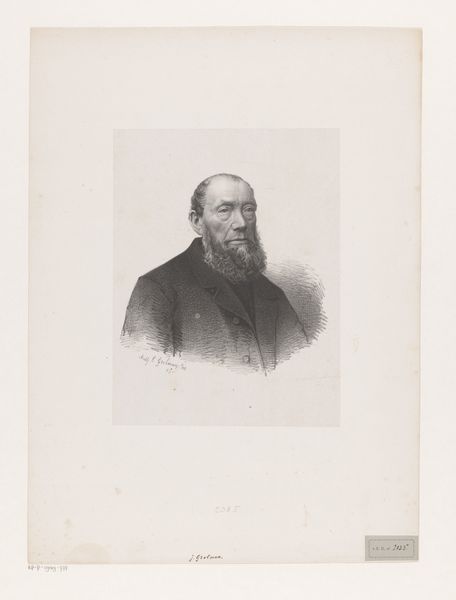
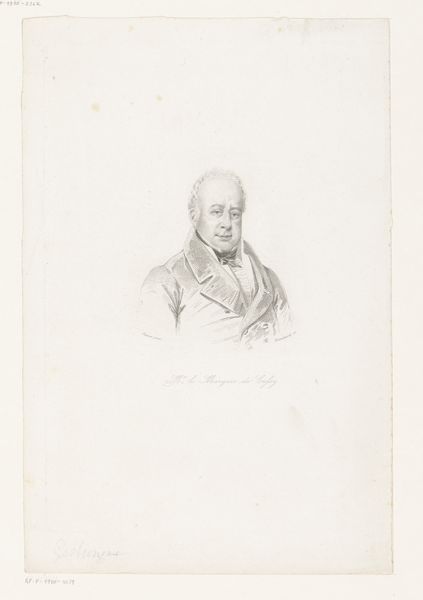
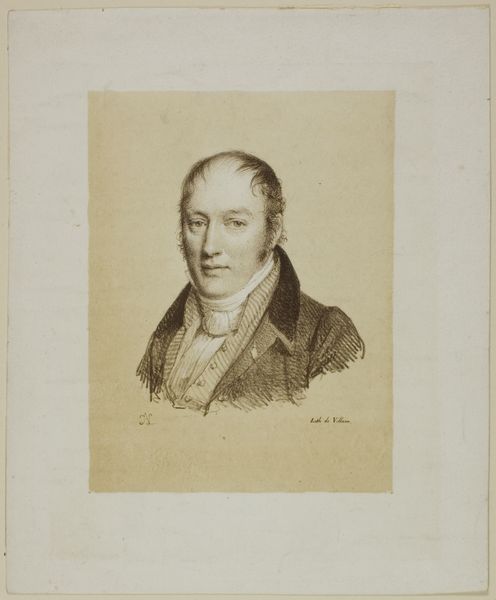
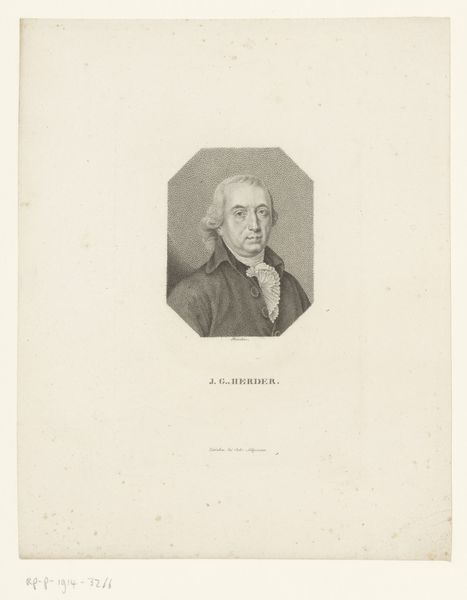
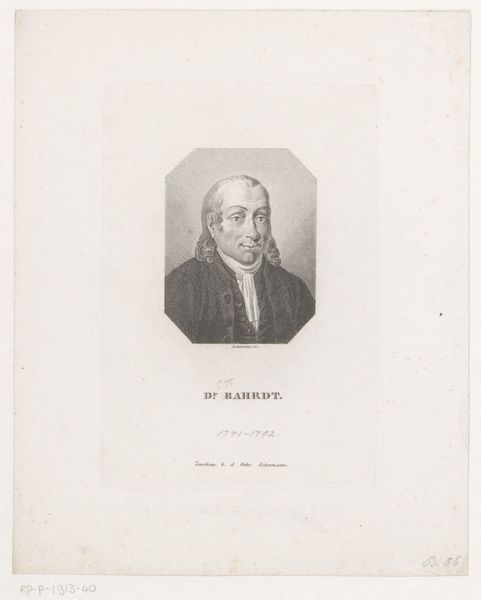
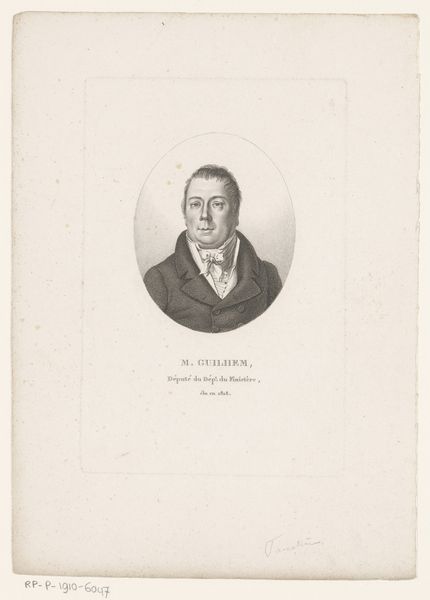
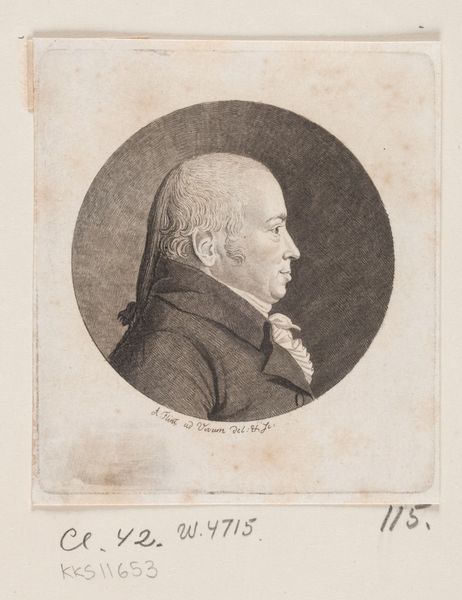
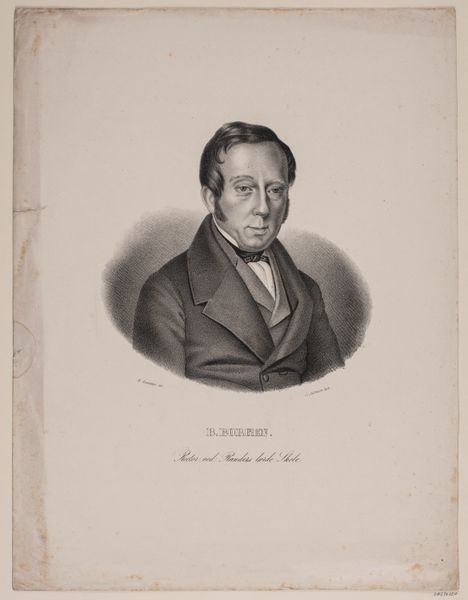
Editor: This is a graphite drawing from 1827 entitled "Portret van Hans Christian Ørsted," by Erling Eckersberg. It strikes me as a very formal and carefully rendered portrait; quite stoic and respectable. What can you tell me about it? Curator: The context of artistic production in the early 19th century is critical here. We see Neoclassical ideals emphasizing reason, order, and civic virtue influencing portraiture. Given that Ørsted was a renowned scientist, how might this image function to establish and reinforce his public persona and intellectual authority? Editor: I see what you mean. The composition seems calculated to convey those virtues, right? The objects he's holding--what look like drafting tools?--certainly add to that. Curator: Exactly. The deliberate inclusion of tools alludes to scientific pursuits. Furthermore, the distribution and public accessibility of images like this also becomes important. Do you think this work would have served a different purpose, say, displayed in a scientific institution versus circulated as a print? Editor: I hadn’t considered that! In a scientific institution, it's commemorative, but as a print it disseminates his image, like he is endorsing the social values you mentioned, like a political poster almost. Curator: Precisely. And that public role--the distribution, the message, the socio-political context--that’s all very central to the impact of this work. Editor: That's really fascinating! It changes the way I see this piece now. Thanks for pointing that out! Curator: My pleasure. Reflecting on art's interaction with society and power really does deepen our understanding, doesn't it?
Comments
No comments
Be the first to comment and join the conversation on the ultimate creative platform.
 Collect
 React
React Comment
More like this