About this artwork
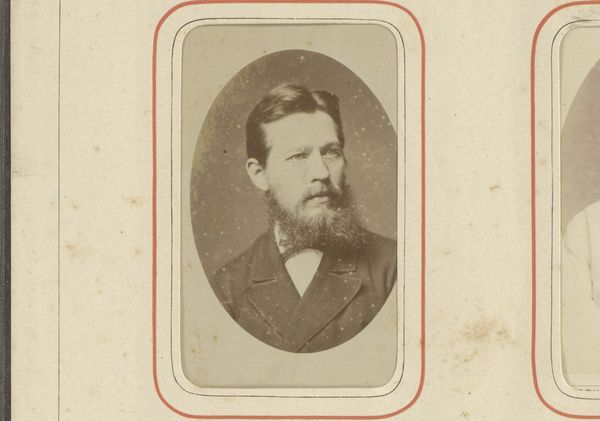
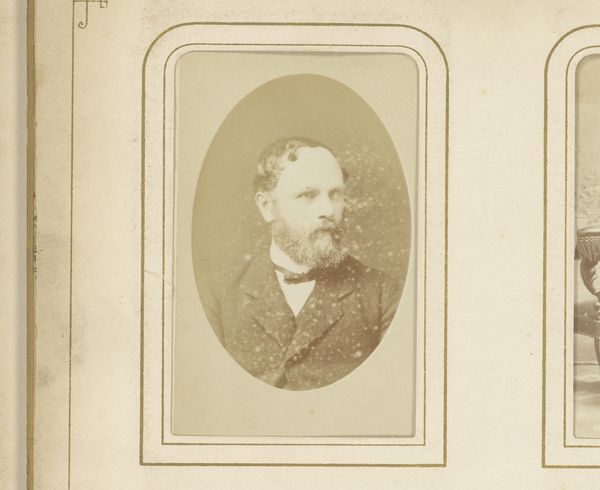
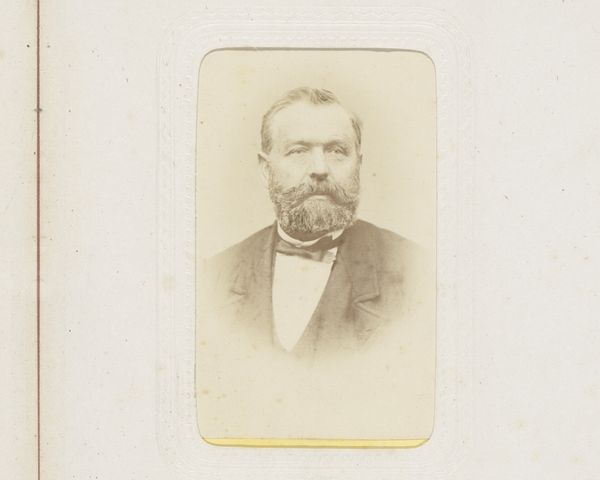
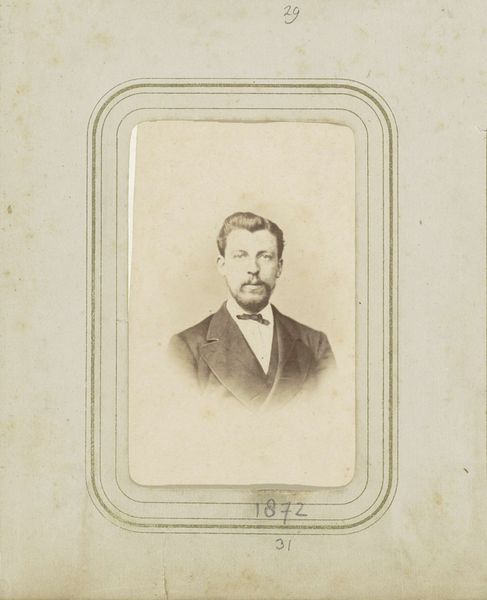
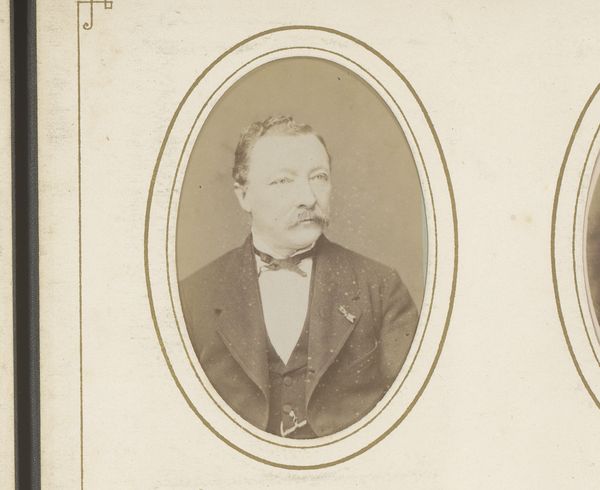
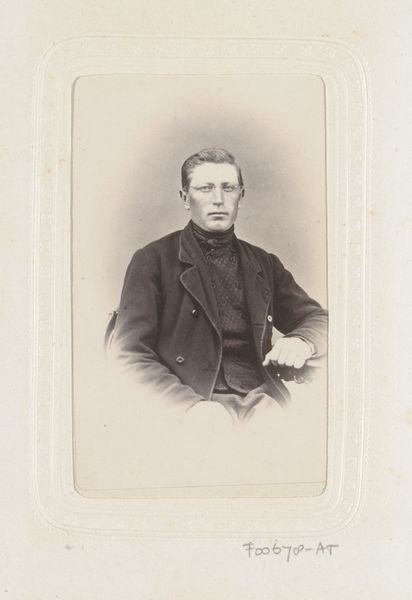
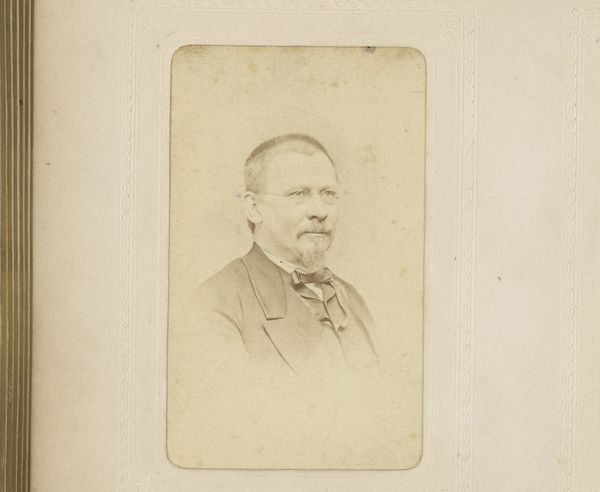
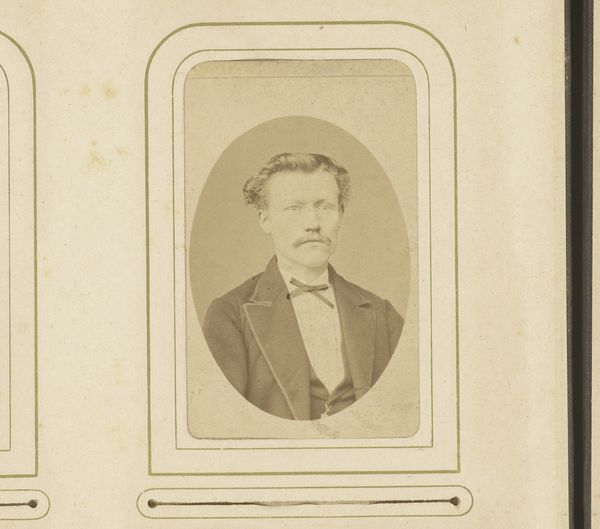
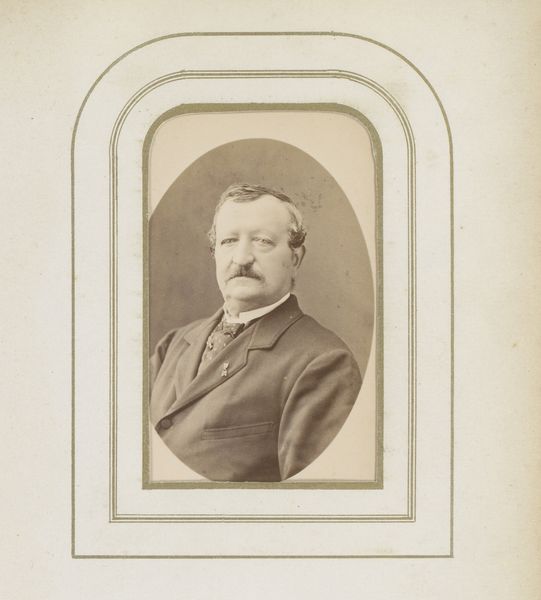
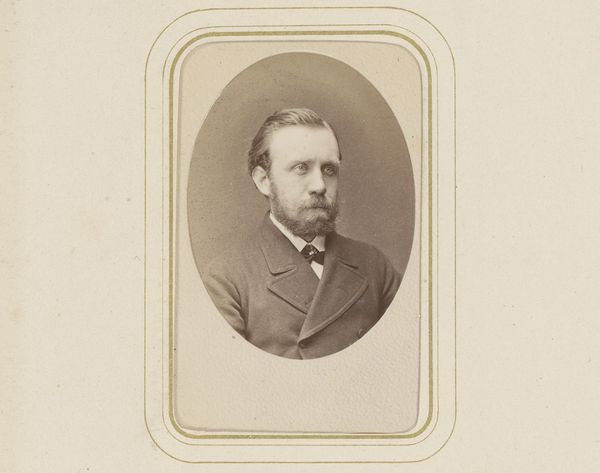
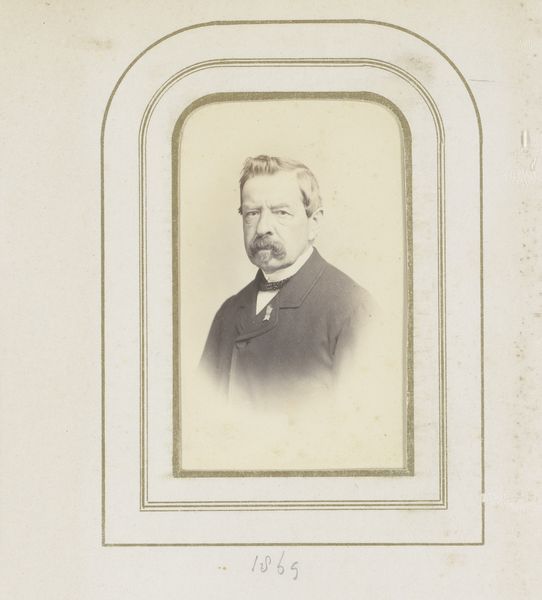
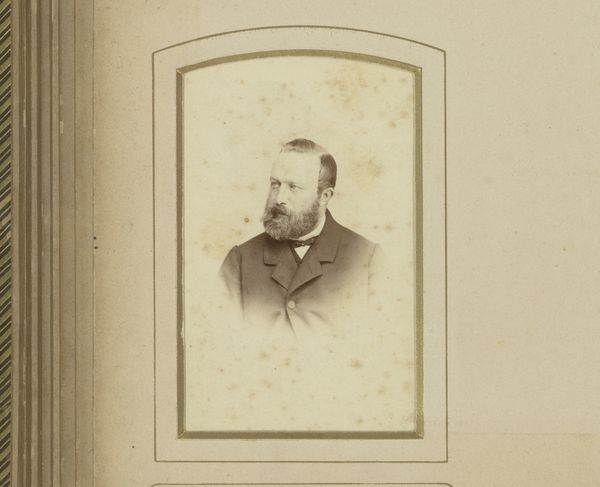
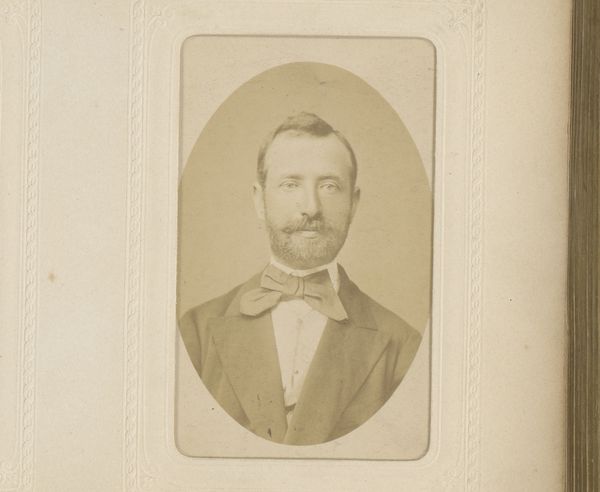
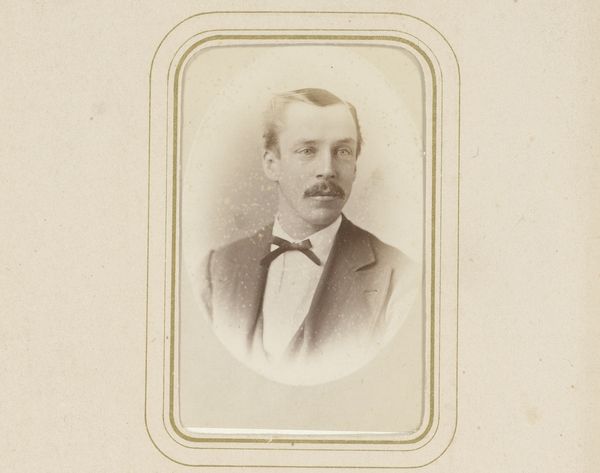
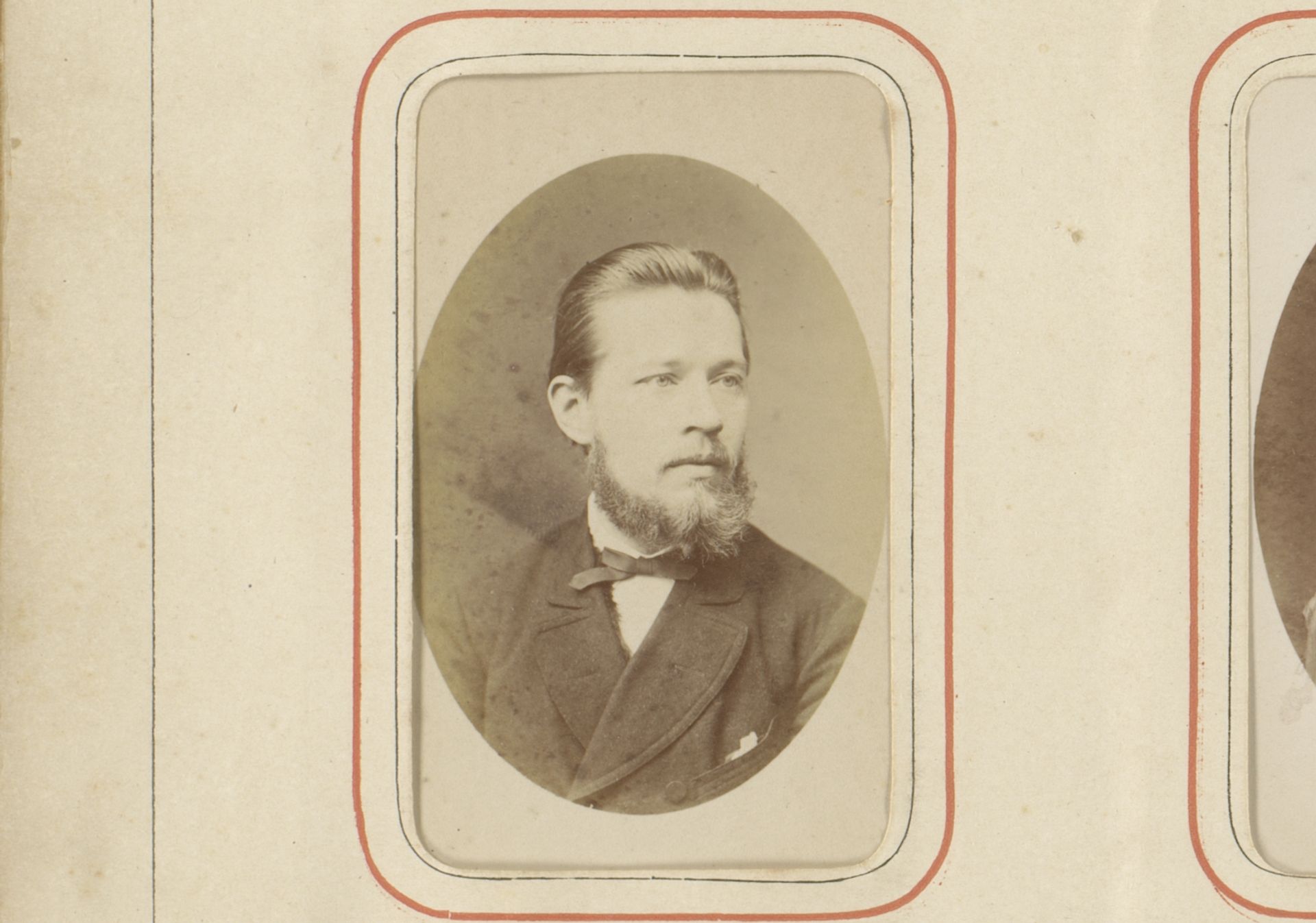
This portrait of an unknown man was created by Johannes Baer in the late 19th century, using a photographic process. The albumen print, as it's known, was a popular technique at the time, involving coating paper with egg white to create a glossy surface, before being exposed to light through a negative. The sepia tones we see here are characteristic of the process. The materiality of this print – the paper, the albumen, the chemical developers – speaks to the rise of industrial photography. While portraiture had previously been the domain of painting, photography offered a relatively quick and affordable alternative for a growing middle class. This image, therefore, is not just a record of a man's likeness, but also a document of social change, where new technologies democratized image-making, reflecting shifts in labor, class, and consumption during the period. It challenges traditional notions of art by finding beauty in an industrial mode of production.

Artwork details
- Medium
- photography, gelatin-silver-print
- Dimensions
- height 103 mm, width 64 mm
- Location
- Rijksmuseum
- Copyright
- Rijks Museum: Open Domain
Tags
Comments
Share your thoughts
About this artwork
This portrait of an unknown man was created by Johannes Baer in the late 19th century, using a photographic process. The albumen print, as it's known, was a popular technique at the time, involving coating paper with egg white to create a glossy surface, before being exposed to light through a negative. The sepia tones we see here are characteristic of the process. The materiality of this print – the paper, the albumen, the chemical developers – speaks to the rise of industrial photography. While portraiture had previously been the domain of painting, photography offered a relatively quick and affordable alternative for a growing middle class. This image, therefore, is not just a record of a man's likeness, but also a document of social change, where new technologies democratized image-making, reflecting shifts in labor, class, and consumption during the period. It challenges traditional notions of art by finding beauty in an industrial mode of production.
Comments
Share your thoughts