About this artwork
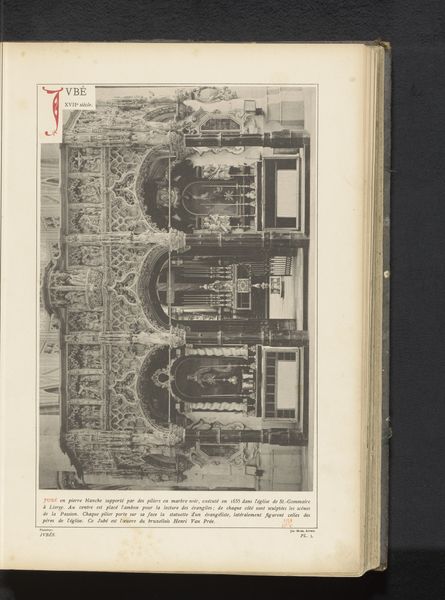
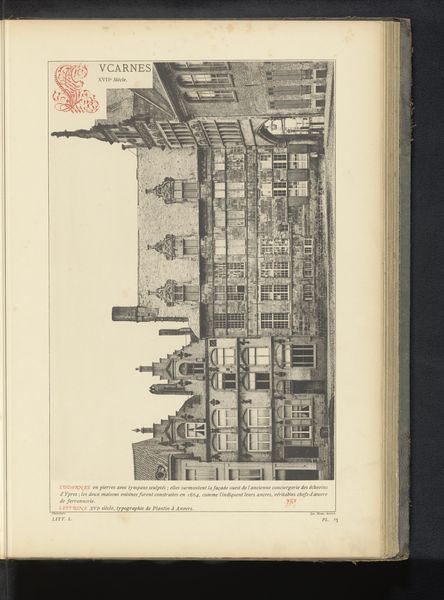
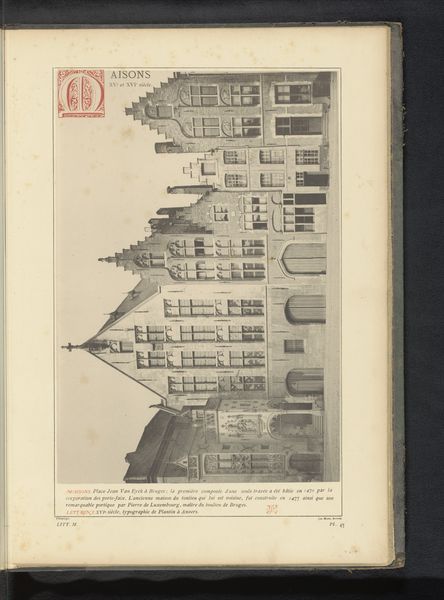
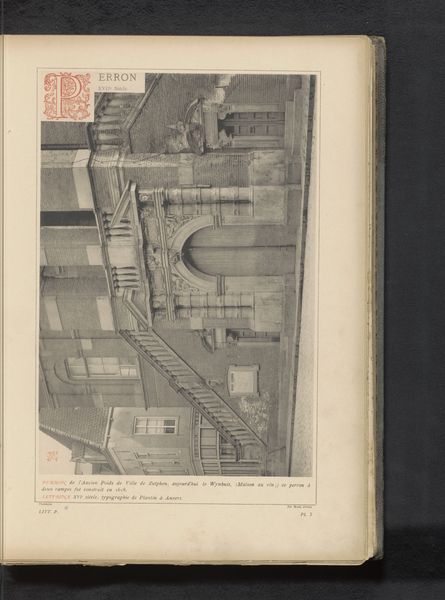
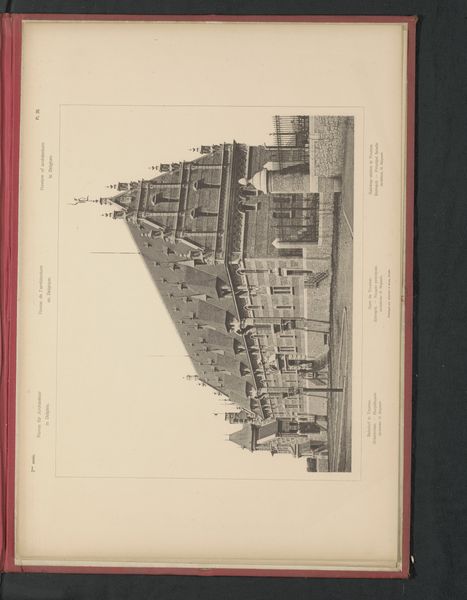
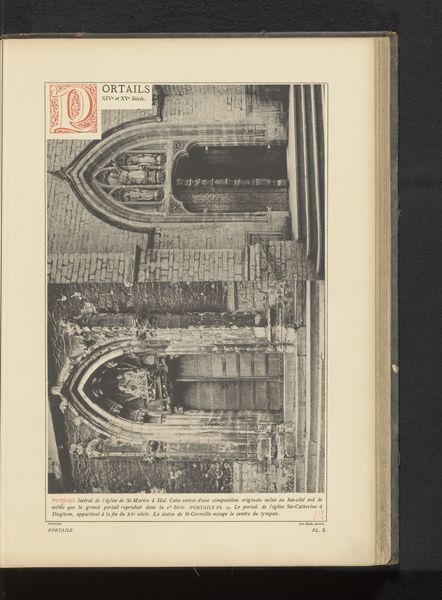
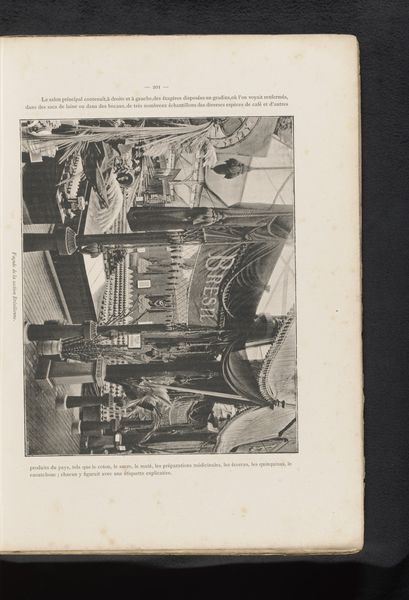
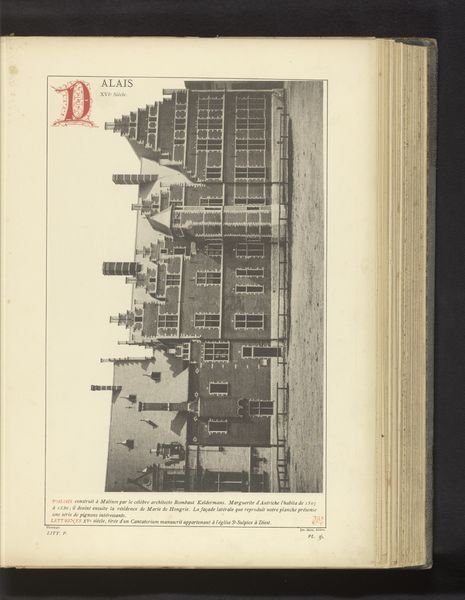
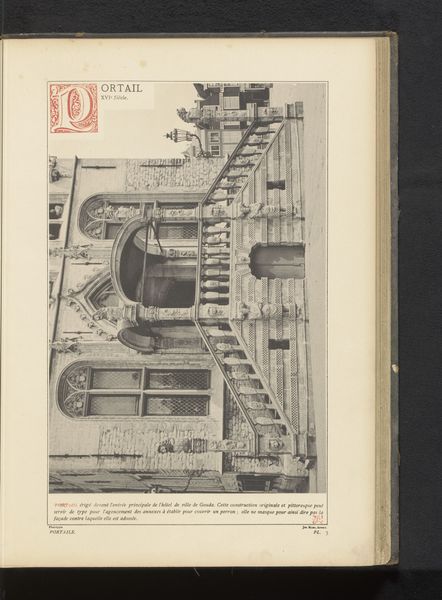
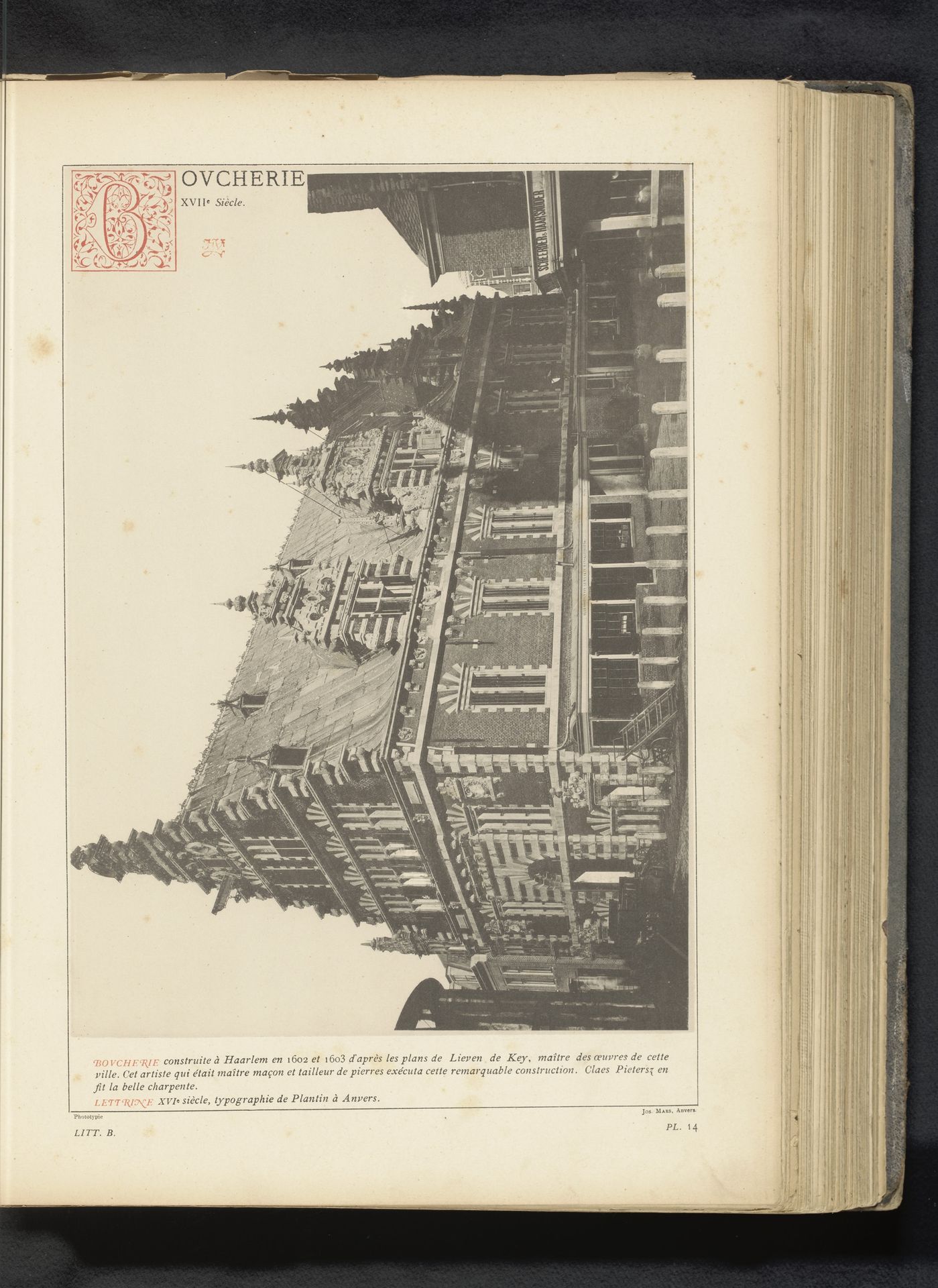
This lithograph depicts the Vleeshal, or meat market, in Haarlem. Likely created in the late 16th or early 17th century, it offers a glimpse into the commercial and civic life of the Dutch Golden Age. The Vleeshal itself, designed by Lieven de Key, stands as a monument to the city's economic vitality. Markets like these were not merely places of commerce, but also important social spaces. By the 17th century, Dutch cities like Haarlem were centers of global trade and finance, and a rising middle class could afford new levels of consumption. Prints like this one served multiple purposes. They documented architectural achievements, disseminated knowledge, and contributed to a sense of civic pride. To truly understand this image, we might consult city records, architectural plans, and studies of Dutch social history. The meaning of art is always contingent on its social and institutional context.
Artwork details
- Medium
- drawing, print, etching, paper, engraving, architecture
- Dimensions
- height 336 mm, width 240 mm
- Copyright
- Rijks Museum: Open Domain
Tags
drawing
etching
paper
11_renaissance
cityscape
engraving
architecture
Comments
No comments
About this artwork
This lithograph depicts the Vleeshal, or meat market, in Haarlem. Likely created in the late 16th or early 17th century, it offers a glimpse into the commercial and civic life of the Dutch Golden Age. The Vleeshal itself, designed by Lieven de Key, stands as a monument to the city's economic vitality. Markets like these were not merely places of commerce, but also important social spaces. By the 17th century, Dutch cities like Haarlem were centers of global trade and finance, and a rising middle class could afford new levels of consumption. Prints like this one served multiple purposes. They documented architectural achievements, disseminated knowledge, and contributed to a sense of civic pride. To truly understand this image, we might consult city records, architectural plans, and studies of Dutch social history. The meaning of art is always contingent on its social and institutional context.
Comments
No comments